
The piece examines Andrew Cuomo’s blunt rebuke of New York City Mayor Zohran Mamdani’s tax and policy approach, arguing those policies are driving wealth and jobs out of the city and into lower-tax red states, and that this exodus is politically advantageous to Republicans.
New York City is facing visible deterioration in basic services and economic confidence, and critics say the city’s leadership style is a major factor. Homeless encampments, rising crime, and mounting trash complaints are being tied to a political agenda that publicly vilifies wealth and business. Those trends are prompting residents and employers to rethink whether staying in the city makes sense for their families and companies.
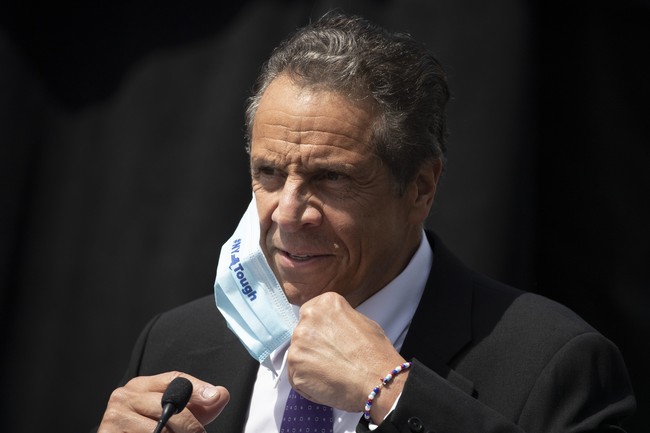
Former Governor Andrew Cuomo pressed the point in an interview, telling local leaders to focus on core responsibilities instead of ideological crusades. His message was plain: “Pick up the garbage, fill the pothole[s], do your job. Bring people to New York, create jobs, don’t demonize corporations. Don’t demonize the rich. Don’t chase people out of New York, which is exactly what [Mamdani] is doing. And you’re seeing the wealth transfer to southern states.” That blunt line captures why some see current municipal policy as self-defeating.
The critics argue the current policies amount to a tax and regulatory environment that repels productive people and enterprises. Rather than attract capital, the administration is accused of encouraging the wealthy and businesses to relocate to states that offer lower taxes and fewer regulations. Those moves remove payrolls, investments, and philanthropic dollars that once supported local economies and cultural institutions.
Cuomo framed the political fallout as a clear advantage for Republicans, saying the socialist pitch is alienating voters who understand there are real costs to expansive promises. He warned that idealistic slogans don’t change the arithmetic of budgets and incentives. “Socialism has not worked anywhere on the globe,” Cuomo said. “Promises of free lunch, free buses, free rent, free everything. There is no such thing as ‘free.’ Someone always pays. This is a dream. This is nirvana. This is utopia, and they’re selling to young people who are buying it. But it’s not going to work. And this socialist movement is the best thing the Republicans have going for them.”
Those lines resonate with business owners who now weigh relocating employees and headquarters against rising local costs and uncertain policy directions. For many firms, the calculus is simple: higher taxes and heavier regulation reduce returns and complicate planning. When profit margins thin and compliance burdens rise, moving becomes an attractive, sometimes inevitable, option.
The exodus of taxable activity harms municipal budgets and public services that depend on a broad private-sector base. As employers and high-net-worth individuals move, government revenues shrink and pressure on remaining taxpayers grows. That feedback loop can accelerate decline and intensify political polarization, leaving fewer stakeholders with the means to oppose risky or unsustainable policies.
Critics also note a cultural divide in which political elites who champion redistribution are often insulated from its consequences. While rhetoric targets “the wealthy,” those crafting policy may not feel the immediate impact, and the people who do feel it most are working families and small businesses. The result is a real-world sorting of populations by preferences, incomes, and mobility.
Cuomo predicted that this sorting will benefit states that adopt business-friendly stances, naming southern states as prime beneficiaries. He added, “It is a major problem for the Democrats. And again, I think the energy comes from the anger of Trump, and they’ve misdirected that anger. But it is a real problem for the Democrats, and as I said before, it’s the best thing the Republicans have going for them,” he added.
From the perspective of those warning about the city’s future, policy choices are less about ideology and more about incentives. Creating jobs requires a predictable environment where entrepreneurs can invest without fearing punitive taxes or unpredictable seizures of their capital. Critics say that stripping away those incentives is not accidental; it is an explicit political choice with foreseeable consequences.
Even if some local leaders could pivot away from redistributionist rhetoric, skeptics believe the political base that elected them expects confrontation with wealth and business. That makes a mid-course correction politically costly, and therefore unlikely. If so, the trend of migration and capital flight could continue, steadily shifting economic activity away from places that adopt punitive policies toward jurisdictions that prioritize growth and opportunity.



Add comment