
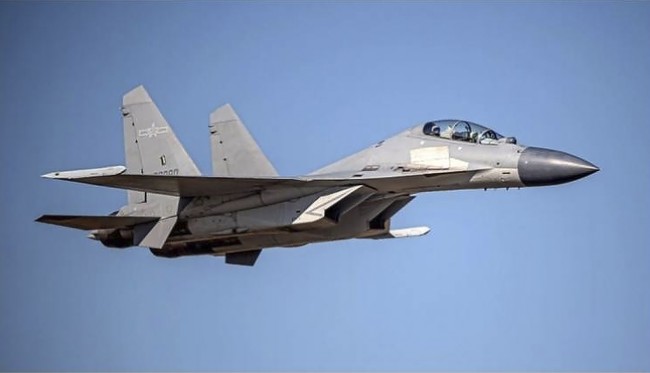
China has launched its largest military drills yet around Taiwan, surrounding the island with ships, aircraft and live-fire zones in an operation Beijing calls “Justice Mission 2025.” The maneuvers come after a major U.S. arms sale to Taipei and have disrupted civilian air and sea traffic while raising the chances of dangerous encounters in the Taiwan Strait. This article reviews what China is doing, how Taiwan and regional neighbors are responding, and why the risk of miscalculation is real even if a full-blown conflict remains unlikely.
Beijing’s Eastern Theater Command kicked off a coordinated set of drills that encircle Taiwan with warships, fighter jets, drones, and artillery. Officials framed the operation as a response to separatism and foreign interference, but the scale is unprecedented and explicitly designed to test blockade and strike scenarios. For Taipei and its neighbors, these moves are a reminder that coercion through military pressure is a core element of China’s strategy.
China on Monday launched its largest military exercises ever around Taiwan, surrounding the island with warships, aircraft and live-fire drills as tensions spiked following a record U.S. arms sale to Taipei.
The drills, known as “Justice Mission 2025,” involve coordinated deployments of ground forces, naval vessels, fighter jets, drones and artillery across seven maritime zones encircling Taiwan.
China’s Eastern Theater Command said the exercises include simulated strikes on land and sea targets and rehearsals to blockade Taiwan’s main ports, a scenario analysts say would be central to any attempt to isolate or coerce the island.
The exercises have pushed danger zones much closer to Taiwan than in past rounds, forcing reroutes of commercial flights and alternative maritime corridors. Civilian disruption is just one effect; the bigger problem is how easily an accidental clash could escalate when live fire is involved. With Taiwanese ships and aircraft operating nearby, even a single misfired round could trigger a rapid and dangerous response.
Live-fire exercises are scheduled to continue through Tuesday, with China designating large danger zones for artillery firing closer to Taiwan than in any previous round of drills. The scope of the operation has already disrupted civilian air and sea traffic, forcing airlines to reroute flights and Taiwan’s aviation authority to plan alternative airspace corridors.
Chinese military officials defended the exercises as a response to separatism and foreign involvement. “It is a stern warning against ‘Taiwan independence’ separatist forces and external interference forces, and it is a legitimate and necessary action to safeguard China’s sovereignty and national unity,” Senior Col. Shi Yi, spokesperson of China’s People’s Liberation Army’s Eastern Theater Command, said.
From a Republican viewpoint, Beijing’s rhetoric about “sovereignty and national unity” masks an aggressive campaign to remake the status quo by intimidation rather than legitimate diplomatic means. The exercise name “Justice Mission 2025” is partisan messaging dressed up as military planning, and it signals Beijing wants to justify coercion by labelling it righteous. That narrative does not change the practical danger posed to commercial traffic, regional partners, and sailors on either side.
Taiwan is not a military threat to the mainland, but China treats the island as a breakaway province and has long threatened reunification on Beijing’s terms. The current drills include a significant number of aircraft and vessels close to Taiwan’s contiguous zone, and Taiwan’s Defense Ministry reported large numbers of PLA assets operating around the island. These deployments are designed to normalize encirclement and strain Taiwan’s defenses while testing logistics and command coordination.
As the drills unfolded, Taiwan’s Defense Ministry said 89 Chinese military aircraft, 14 naval vessels and 14 coast guard ships were operating around the island, with additional warships spotted farther out in the Western Pacific. Some Chinese vessels were engaged in close stand-offs with Taiwanese ships near the island’s contiguous zone, about 24 nautical miles from shore.
For U.S. policymakers and allies in Tokyo and Manila, the episode is a reminder that deterrence requires readiness and clarity. Taiwan’s recent purchase of U.S. weapons systems is meant to raise the cost of coercion and make Beijing think twice before escalating. That purchase also signals continued American commitment to ensuring Taiwan can defend itself, which is central to stabilizing the cross-strait balance.
Still, the rough-and-ready logic of brinkmanship is risky. China’s drills deliberately push proximity and opacity, creating moments that opponents can misread. The U.S. and partners will need to manage escalation, communicate red lines, and keep channels open to prevent an incident from spiraling, all while reinforcing Taipei’s ability to deter aggression.
On the island, Taipei has shown no sign of backing down from its sovereign choices, and its increased defensive capabilities mean Beijing faces a higher immediate cost for any coercive campaign. Meanwhile, regional capitals are watching closely and recalibrating posture where necessary. The practical work now is less about slogans and more about logistics: patrols, readiness, intelligence sharing, and ensuring civil aviation and shipping can operate safely under pressure.
The situation remains tense but contained for now; the most immediate danger is miscalculation rather than a planned invasion. The larger strategic picture is unchanged: China will keep probing, Taiwan will keep building deterrence, and the United States and partners will have to sustain clear, steady support to keep the peace.



Add comment