
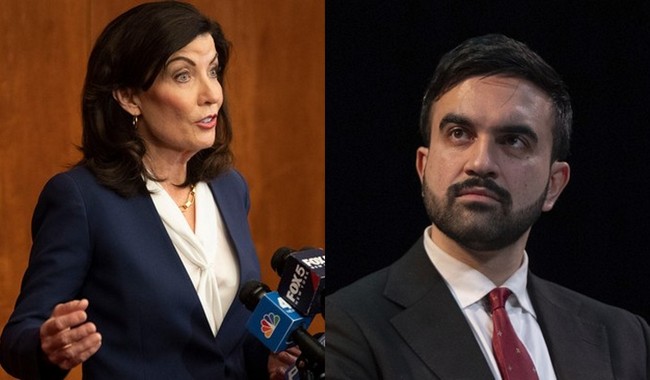
New York’s high-tax approach to “tax the rich” has coincided with a steep decline in its share of millionaires, creating a multibillion-dollar hole in state revenues and fueling a fierce debate over policy, competitiveness, and who should shoulder the burden of funding public services.
For more than a decade New York pushed higher taxes on its wealthiest residents in the name of fairness, and now the numbers are in: the state’s slice of millionaires fell dramatically from 12.7% in 2010 to 8.7% in 2022. That drop is the sharpest in the country and it matters because high earners pay a large share of income taxes, so their exits hit the treasury hard. The Citizen Budget Commission found personal income tax receipts in 2022 were about $10.7 billion lower than they would have been if New York had kept its 2010 share of the wealthy. This isn’t an abstract loss; it affects budgets for schools, roads, and essential services that communities rely on.
Policy choices have consequences, and the CBC analysis makes that clear: when the top earners move, the tax base moves with them. Economists point out that New York relies on a concentrated slice of taxpayers to fund a broad range of commitments, and losing those taxpayers forces difficult trade-offs. The scale of the shortfall shows how fragile a revenue model based on very high marginal taxes can be when taxpayers are mobile and the economic landscape shifts.
“In New York, the top 1% of earners pay about 45% of all state income taxes in any given year, so New York’s revenue is very reliant on high earners to stay in New York, and that has been a challenge in recent years,” Jared Walczak told the New York Post.
That reliance means policymakers who push higher rates risk prompting more departures, and the CBC’s figures suggest that risk has already been realized. If those leaving households are responsible for an outsized share of collections, then the fiscal impact of small percentage shifts in residency can be enormous. State leaders face the difficult choice between raising taxes further to chase revenues or rethinking structure to protect the tax base and competitiveness.
The political reaction has been sharp, especially from officials who champion progressive tax platforms. City and state leaders have touted measures targeting wealthy homeowners, including proposals aimed at secondary residences valued above specified thresholds. Those proposals are framed as simple fairness to many voters, but critics warn they may backfire by accelerating the exodus of revenue-generating residents. In one memorable public moment, a campaign-style video and high-profile rhetoric intensified the debate and drew national attention to the tactics being used to pressure the wealthy.
Local officials argue the wealthy can afford to contribute more so everyone else can live in the city, and they frame pied-a-terre levies and similar ideas as common-sense fixes. Opponents say the math doesn’t support that confidence when the wealthy are free to relocate and when the tax burden already falls heavily on a small group. Those departures don’t just reduce state coffers; they change the composition of who is left to pay, often increasing strain on middle-income households and services they depend on.
https://x.com/JewelsJonesLive/status/2076817507072024774
“The wealthiest can do a little bit more to ensure that everyone can afford to live here,” he told reporters. “And the little bit more—and we’re talking about the pied-à-terre tax—it’s a tax on non-resident New Yorkers’ secondary homes that are worth more than $5 million. I think that that’s common sense, and most New Yorkers feel the same way.”
“I look forward to continuing to advance the vision of our city.”
Analysts warn that New York’s position on competitive rankings is suffering because of tax rates and regulatory burdens. “Without reforming the tax structure, New York won’t be competitive for attracting population and business,” Abir Mandel told the Post. “Wall Street is the golden goose. But for how long?” That blunt assessment underscores the urgency felt by many in the business community and among state policymakers concerned about long-term viability.
Beyond taxes, other policy dimensions make New York less welcoming to businesses and residents: strict rent controls, rising energy costs linked to aggressive mandates, and layers of regulation all add to the cost of living and operating. When you combine those structural burdens with targeted tax increases, the result is a powerful incentive for capital and talent to move to friendlier states. The ongoing flight of high earners is both a symptom and a signal that current approaches may be unsustainable.
As New York confronts the fiscal realities exposed by the CBC study, the debate will continue over whether to double down on taxing the wealthiest or to pursue reforms that stabilize the tax base and boost competitiveness. What is clear from the data is that policy choices shaped by political priorities have produced measurable economic effects, and the fight over solutions will shape the state’s fiscal future for years to come.



Add comment