
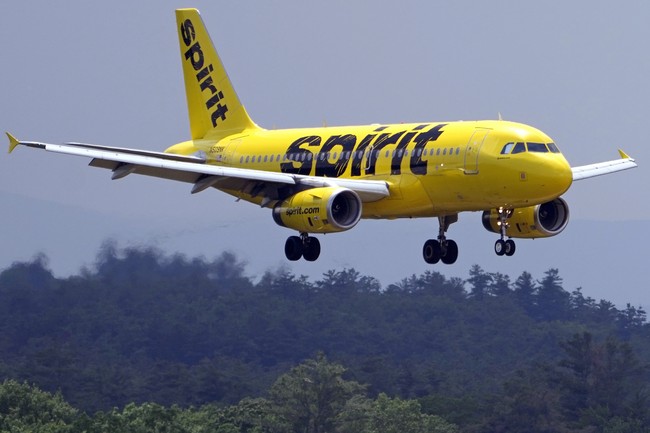
The federal government’s role in business has consequences, and the recent collapse and bankruptcy of Spirit Airlines shows how regulatory decisions can push a struggling company over the edge. This piece walks through the merger fight with JetBlue, the legal pressure from Biden-appointed regulators, failed bailout talks, practical impacts on travelers, and the political framing that surrounds the fallout. It sticks to the facts and quoted material presented, while arguing that heavy-handed agency action contributed directly to a loss of low-cost air options. The goal here is to make the sequence of events clear, note the actors involved, and highlight who pays when government interferes in markets.
Spirit Airlines helped many Americans fly affordably across the country, offering options for families and workers on tight budgets. That access shrank rapidly once the proposed JetBlue merger encountered legal resistance, and Spirit’s finances, already fragile after the pandemic shock, could not sustain the blow. The company ultimately entered bankruptcy after efforts to merge or secure other relief failed, leaving customers and employees in a lurch.
In 2024, Spirit Airlines, financially troubled since the COVID-19 pandemic and lockdowns, sought a lifeline through a merger with JetBlue Airways.
Although neither Spirit nor JetBlue could be considered major airlines, the Biden administration – in the midst of a “whole-of-government” anti-merger mania led by political appointees such as Federal Trade Commission Chair Lina Khan and Consumer Financial Protection Bureau Director Rohit Chopra – blocked the merger through a Department of Justice lawsuit. A federal court sided with the Biden DOJ in blocking the merger, and the airlines eventually scuttled their merger plan rather than footing the bill for a costly legal fight.
The legal push to stop that deal came from agencies and officials appointed by the Biden administration, who argued the merger would harm competition. The reality on the ground looked different to many observers: two smaller carriers were seeking scale to compete with the dominant big four. Preventing that combination removed a potential path for survival and growth for both firms. The choice to litigate instead of allowing the market to decide carried heavy costs.
Jessica Melugin, director of CEI’s Center for Technology & Innovation, blasted the blocking of the merger and warned that it could reduce competition in the airline industry. She stated in January 2024:
Blocking a merger of smaller competitors trying to combine resources and scale up to compete with the top four airlines makes little sense. It risks making both Spirit and JetBlue less able to compete with the ‘big guys’ and ultimately leaving the airline industry less competitive, harming consumers.
When the legal roadblock stood, alternative solutions were pursued but ran into political and investor resistance. Spirit negotiated for a federal lifeline that, in practical terms, would have given the government a controlling stake. Several creditors opposed terms that would leave them worse off if the airline still failed, and some lawmakers opposed any bailout on principle. Without broad support for a rescue, the company’s options narrowed further.
Markets are imperfect, and airlines fail from time to time, but the central problem here was human: regulators chose litigation over leaving the market to adapt. The combination of agency intervention and a hesitant political environment for assistance turned a recoverable situation into a terminal one. For everyday consumers, that means fewer cheap seats and fewer choices when booking travel, which hits low- and middle-income families hardest.
Transportation officials moved quickly once the shutdown was unavoidable, trying to reduce harm and coordinate relief for stranded travelers and displaced employees. On Saturday, Transportation Secretary Sean Duffy took to his official X account to announce some measures the department and other airlines are taking to help out travelers discomfited by the
The secretary summarizes the effort; read the original post for the full list:
In coordination with our airline partners, we’re taking ACTION to bring relief to Spirit customers and its workforce. From capped ticket prices for flyers who need to rebook to employees looking for job opportunities, there’s a lot of information you should be aware of.
Those steps are damage control, not prevention. If the merger had been allowed and Spirit had received the scale benefits JetBlue could have provided, the bankruptcy might have been avoided. Instead, regulatory zeal won a short-term policy fight and taxpayers, travelers, and workers face the aftermath.
As this situation unfolds, the takeaway is straightforward: agency decisions carry real economic impacts, and when those decisions block private-sector solutions, the burden falls on ordinary people. The CFPB and the FTC played roles in this story, and the practical result is fewer options and higher costs for many Americans who relied on lower fares. That consequence deserves attention from policymakers and voters alike.
Politics will color the response, with competing narratives about responsibility and remedy. But for consumers trying to get from point A to point B without breaking the bank, the immediate reality is simple: fewer airlines, higher fares, and a travel market reshaped by regulatory action rather than by competition or consumer choice.



Add comment