
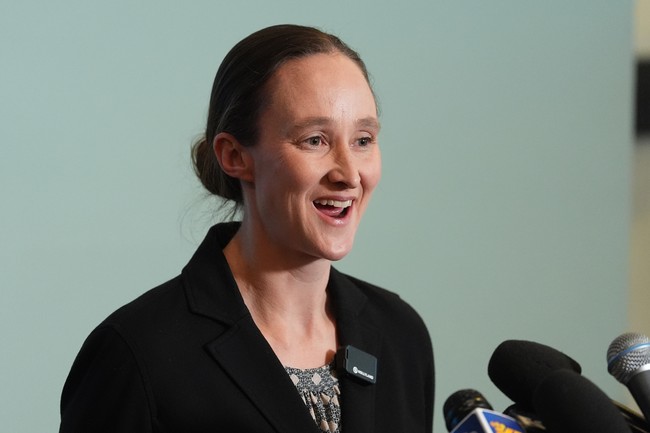
Seattle’s new mayor drew fire after casually dismissing the idea that wealthy residents might leave over a recently passed “millionaires tax” and then stumbling through media questions about public safety and surveillance. This article walks through the exchange, the mayor’s comments about immigration enforcement, and the pushback from a local reporter that revealed a refusal to engage on basic accountability.
Washington State approved a “millionaires tax” in April, and when Mayor Katie Wilson was asked about the possibility of people leaving because of it, her answer was blunt: “Bye!” That short reply landed badly because it sounded like a shrug toward people who contribute to the local economy and pay taxes. Critics quickly pointed to migration from high-tax states like California as an example of what can happen when policymakers dismiss the flight risk.
The reaction wasn’t surprising to those watching economic trends where businesses and wealthy residents weigh tax and regulatory burdens. People considering relocation look at stability, opportunity, and the cost of living, and a cavalier “Bye!” hardly inspires confidence. Local leaders are supposed to weigh both fairness and economic realities, not celebrate a potential exodus.
The mayor also faced a separate and sharper test about transparency and safety after a shooting near a public event she attended. KOMO News reporter Chris Daniels asked whether the mayor had reconsidered her position on surveillance cameras, which some residents think could help deter crime. What followed was notable for staff interruptions and an effort to prevent the mayor from answering on the spot.
Daniels pushed back politely, saying, “I mean, it looks worse when you jump in like that.” He was trying to get a straightforward answer for viewers, but staffers repeatedly stalled and suggested following up later. That reluctance to respond in real time gave the impression of avoidance and raised questions about why quick, clear answers weren’t offered.
When Wilson finally addressed the camera, her response sidestepped the pressing public safety angle and instead focused on data misuse. She said such cameras “could have a use,” but insisted they must ensure the information isn’t used by “federal immigration enforcement or by other bad actors.” That phrasing conflated federal immigration agencies with vague “bad actors” and left listeners wondering who exactly the mayor had in mind.
Equating federal immigration enforcement with malicious actors is a political stance, but it reads oddly when the subject is crime prevention tools potentially useful to victims and investigators. Residents asking for measures that might make neighborhoods safer deserve a clear explanation of trade-offs, not an answer that pivots to immigration policy. The moment exposed a disconnect between the immediate need for safety solutions and the mayor’s priorities in framing the issue.
The episode wasn’t isolated. Other clips and interactions have shown the mayor struggling with off-script questions and relying on prepared talking points for events. That pattern feeds into a larger concern about accountability and how leaders handle unscripted scrutiny. Voters expect leaders to face tough questions directly and offer practical, balanced responses.
Local reporters are tasked with pressing for answers that residents want, and when staffers obstruct that process it undermines trust. The public sees interruptions and deferrals as resistance to transparency, whether or not that resistance is intentional. Elected officials who welcome scrutiny tend to build credibility; those who avoid it risk eroding public confidence.
On policy, the tension between progressive tax experiments and retaining a competitive business climate is real. Lawmakers have to balance revenue goals with the reality that people and companies can relocate if the environment becomes hostile. The mayor’s flippant remark about departures made that balance look like an afterthought rather than a serious concern.
Seattle voters will be watching how the mayor handles future incidents, crime concerns, and economic fallout from the new tax. Clear, direct answers and fewer scripted detours would help restore the sense that city leadership is focused on practical problem-solving. For now, the exchanges captured on camera are fueling debate over priorities and competence.



Add comment