
Checklist: I will explain Scott Bessent’s CNBC remarks, reproduce his exact quotes, outline the clash with Canada’s leadership, place the spat in the context of trade negotiations, and underscore the political stakes for both countries.
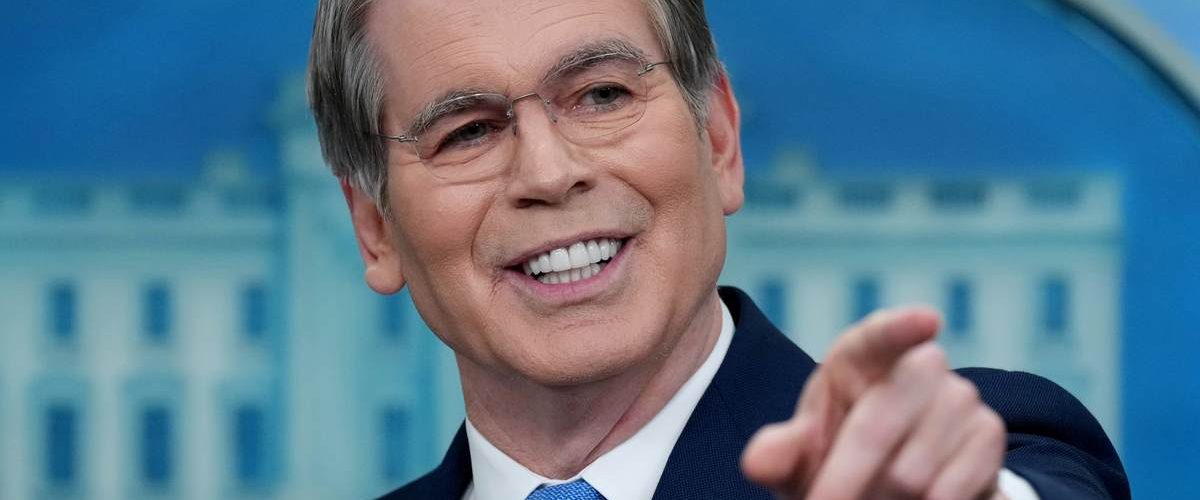
Scott Bessent pushed back hard on the idea that the United States and Canada are engaged in a balanced tit-for-tat trade war, bluntly pointing out the size imbalance between the two economies. His comments came during a CNBC interview and drew attention for their bluntness and political edge. The exchange highlighted how trade disputes can quickly become political theater, especially when domestic politics are at play.
When asked whether markets were worried about a tit-for-tat with Canada, the response was sharp and literal: “Well, I don’t think you can be in a tit-for-tat with someone who’s 13 times larger than you are.” That line landed because it reduces the argument to a simple fact: the U.S. economy dwarfs Canada’s, and leverage follows size. From a Republican perspective, leverage matters and should be acknowledged without apology.
The back-and-forth didn’t stop there. Bessent accused Canada’s prime mover in this dispute of turning a trade negotiation into a political fight, saying, “I mean, we’re not at war with Canada. How are we going to be at war with Canada?” Then he delivered the memorable zinger: “What, they’re going to take their two submarines from the Edmonton Mall and sic ’em on us?” That mockery landed not just for its humor but for its point: this is not a military standoff, it’s a negotiation gone political.
That submarine quip refers to an old joke about West Edmonton Mall’s faux submarine attraction, a cultural aside that made the exchange lighter while underscoring Bessent’s core message. Republicans watching this see a clear contrast between blunt federal realism and what they view as political posturing from Ottawa. The implication is that trade policy should be driven by national interest and leverage, not by headline-seeking theatrics.
Bessent accused the Canadian side of walking away from a solid offer, saying Carney had been presented with “the best trade deal of any country on the globe” and “chose to walk away from it at the last minute.” He framed the decision as politically motivated, arguing it wasn’t about substance but about political survival and optics. That aligns with a GOP view that foreign leaders sometimes prioritize domestic political narratives over the concrete benefits a deal would bring to their people.
Canada’s counterclaim, according to Bessent’s recounting, was that Washington changed terms at the eleventh hour and “asked too much and offered too little.” Bessent dismissed that version and tied the move to an anti-American political agenda, saying, “You know, he (Carney) came to power on an anti-American, anti-Trump agenda,” and that Carney “was 20-points behind in the polls, and then he started this.” From a Republican read, that sounds like raw politics trumping pragmatic trade policy.
Commerce Secretary Howard Lutnick reinforced the same narrative, asserting there had been a handshake deal and that Ottawa walked away “for political purposes.” The GOP takeaway is straightforward: if you make real concessions and the other side retreats for domestic reasons, you call out the theater and you protect American interests. Negotiations aren’t popularity contests; they are instruments of national advantage.
The tone of the discussion allowed for some pointed cultural jabs—mentioning things like Bryan Adams and Nickelback in the same breath as trade strategy—but the policy core remained clear. Bessent and other officials emphasized that the United States was offering very favorable terms and that political calculations in Canada derailed a beneficial outcome. Republicans favor using leverage and trade tools to secure wins for American workers and businesses, and they see no shame in being plainspoken about that leverage.
https://x.com/RapidResponse47/status/2094441187771904429
Critics will argue this rhetoric inflames alliances, but supporters counter that clarity serves diplomacy; ambiguous, sugarcoated language often masks weakness. Bessent’s bluntness reflects a broader approach: state your position, use leverage where it exists, and call out political gamesmanship when it interferes with deals that would help citizens. That approach is both practical and unapologetic.
Ultimately the fight is less about insults and more about leverage, economics, and political incentives. Bessent’s remarks made it clear that, from the administration’s vantage point, the U.S. negotiated in good faith and that any walkaway was political theater from the Canadian side. That message resonates with a Republican audience that values hard bargaining and sees trade as a tool for national advantage rather than a venue for performative diplomacy.



Add comment