
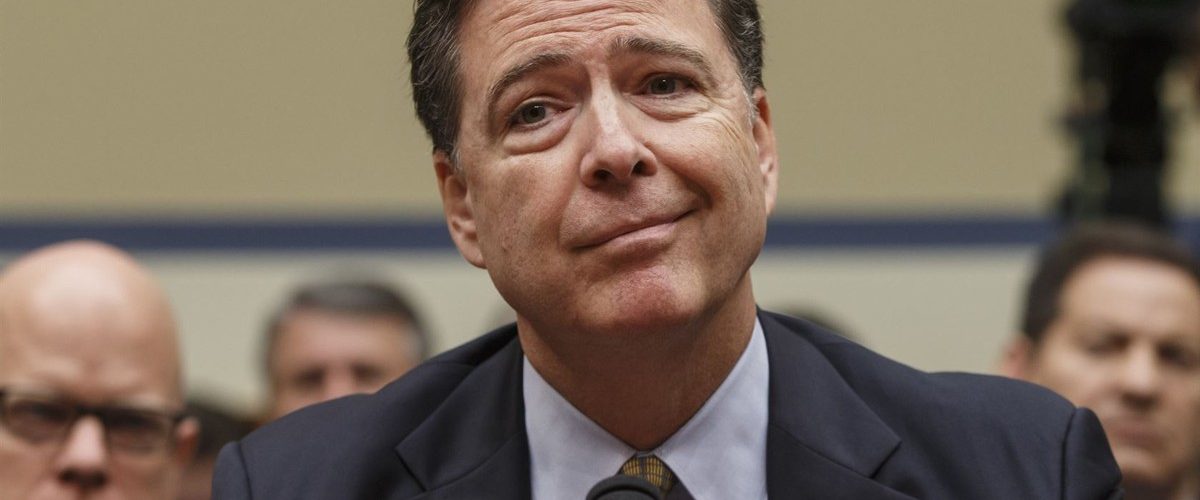
I’ll lay out how the Comey-Richman subpoena matters, recap the history of alleged leaks and past investigations, highlight the legal and political stakes, and ask whether a long-avoided accountability moment has finally arrived.
James Comey has long cultivated a moralizing image, but the recent news that a longtime advisor has been subpoenaed cuts right through the theatrics. That advisor, Daniel Richman, is back in the spotlight as prosecutors probe alleged disclosures of classified material to the press. For conservatives who have watched this saga unfold for years, the subpoena reads like a necessary re-opening of questions that were never fully answered.
The allegation is simple in shape and messy in consequence: Comey allegedly used a friend and confidant to feed classified details to reporters during the Trump administration. If true, that is not a minor lapse — it’s a breach of the rules meant to protect national secrets and the integrity of investigations. Plenty of Americans worry that influential figures should not be allowed to weaponize leaks and then walk away untouched.
FIRST ON FOX: NEW GRAND JURY SUBPOENA ISSUED FOR COMEY ADVISER: Per multiple law enforcement sources- a new federal grand jury subpoena has been issued to Daniel Richman, James Comey’s longtime friend and former adviser, as part of a new investigation involving Comey, Richman and the alleged disclosure of classified information to the NY Times. The subpoena to Richman revives scrutiny of the Comey/Richman classified-leak matter, which was investigated at the end of the first Trump administration and then closed during the Biden administration The significance here is that federal prosecutors have now opened a new grand jury investigation into the leaking of classified information and are again seeking information from Richman, one of the central figures in the prior Comey leak probe. This adds to the list of federal investigations into alleged misconduct by James Comey.
This probe follows a pattern. The inspector general once flagged Comey and referred him for potential prosecution, yet the matter never produced the sort of accountability ordinary citizens would expect. A Virginia grand jury later indicted him on other charges, but procedural problems erased that result, and key questions remained unanswered. That inconsistency is part of why trust in our justice institutions has eroded.
https://x.com/Brooketaylortv/status/2094446288267837809?ref_src=twsrc%5Etfw
The political context makes the stakes even higher. Comey was central to controversies that shaped the last decade: the Clinton email episode, the Russia collusion witch hunt, and high-profile public messaging that sometimes looked more like political theater than law enforcement. Those episodes left many Republicans convinced that the rules applied unevenly when it came to powerful officials and their allies.
That historical backdrop is why this subpoena matters. It isn’t just about one disclosed memo or one news story; it’s about whether senior officials can flout classification rules and then expect the system to shrug and move on. For those who favor strict rule of law, a thorough, impartial investigation is the only acceptable outcome. Anything less looks like selective justice.
This investigation also tests prosecutorial independence and focus. Past decisions not to prosecute, or to decline charges despite referrals, sparked skepticism that politics sometimes drives enforcement. Now, with a new grand jury involved, prosecutors have a chance to demonstrate they are following evidence, not headlines or partisan pressure. Republicans will be watching to see if the process finally treats influential players the same way it treats everyone else.
Beyond legal mechanics, there’s a reputational angle. Comey built a brand as a public moralist, with books and speeches that cast him as a defender of institutions. If the allegations surrounding his use of an intermediary to share classified material are borne out, that brand becomes a liability — a reminder that moralizing rhetoric can mask reckless behavior. The public deserves clarity about whether officials who preach propriety actually practice it.
The optics are stark: grand juries, subpoenas, and leaked memos play out under intense media scrutiny, but substance matters more than spin. These are not abstract quarrels about narrative control; they involve tangible rules designed to protect intelligence, ongoing operations, and national security. Conservatives argue that letting elites skirt those rules undermines both security and fairness.
At this stage the investigation is fact-finding, and outcomes are not predetermined. But for voters and observers tired of double standards, the subpoena signals a moment of potential accountability. If prosecutors follow the trail of evidence wherever it leads, it could finally answer whether the Comey-Richman relationship crossed legal lines or whether procedural obstacles will again block resolution.
Whatever happens next, this episode will be judged on two fronts: the rigor of the investigation and the consistency of the legal system in applying its rules. Americans who want a level playing field in justice and public life are right to demand both. The country needs Washington figures held to the same standards it expects from everyone else.

Add comment