
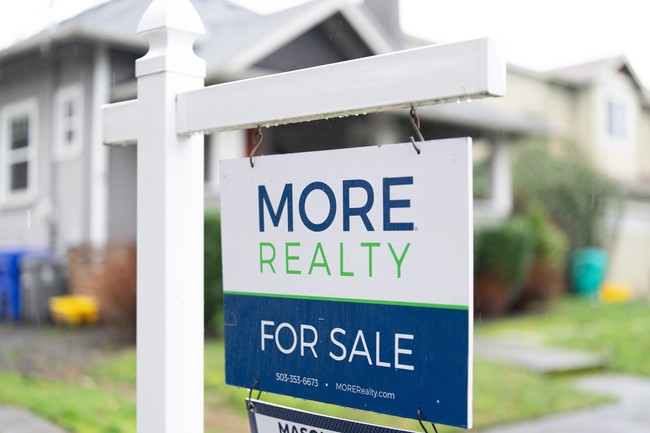
The housing market has two obvious drivers pushing costs up — high prices and high interest rates — but hidden forces inside the market and behind popular platforms are also inflating what buyers pay and what sellers expect.
Online listing platforms now play an outsized role in shaping how people value homes. One well-known platform advertises its “Zestimate” as “an estimate of a home’s value based almost entirely on publicly available information.” The same site bluntly adds that users can change that number, noting “but you can influence it.”
That ability to nudge a displayed valuation creates a feedback loop where algorithmic estimates anchor expectations and actual sale prices. Academic work on machine-learning feedback loops finds that displayed algorithmic prices can anchor realized sales prices, which then become training data for future algorithmic prices. Once the loop gets going, sellers and buyers start treating the algorithm’s number as reality instead of one of many inputs.
The result is an ouroboros that keeps nudging nominal prices upward beyond fundamentals. When enough consumers treat a digital valuation as authoritative, it changes bargaining ranges and listing strategies. That effect compounds behind the scenes and makes homes look pricier even when underlying demand hasn’t shifted that much.
Compounding the issue are opaque referral and commission practices tied to some online marketplaces. A pending class-action suit accuses one major platform of steering buyers to affiliated agents and taking large shares of their commissions without clear disclosure. The complaint claims, “Zillow’s scheme has the intent and the effect of unlawfully maintaining high and inflexible commissions that drive up the prices that buyers must pay.”
Those alleged practices matter because commissions are a visible transaction cost baked into sale prices. In many U.S. markets, broker fees average five to six percent, far above rates in countries with more competitive brokerage markets. When commission structures are rigid or hidden inside platform economics, they inflate the total cost of buying and selling residential property.
After price expectations and realtor fees shape a listing, the mortgage market usually decides whether a buyer can swallow the cost. Research shows mortgage shoppers routinely overpay because they never see the best rates available. One major study concluded nearly 90 percent of homeowners overpay for mortgages, costing households about $65 billion a year.
That study quoted Bankrate CEO Matt Fellowes: “Our research suggests that for most borrowers, competitive rates exist; borrowers just never see them. When lenders compete for a borrower’s business, the savings are meaningful and immediate: $279 a month on average, an amount that puts homeownership out of reach for many borrowers.” Limited shopping and a nontransparent process turn easily avoidable spread into lifetime costs.
Policy moves are trying to blunt these pressures, and recent legislation aims to address supply and lending frictions. The 21st Century Road to Housing Act promotes smaller-dollar mortgages, cuts compliance burdens for manufactured housing, encourages community banks, and imposes limits on institutional buyers of single-family homes. Those changes target both the supply side and barriers that make affordable construction harder.
Still, developers and builders point to lingering regulatory and credit obstacles, especially for multifamily and affordable projects. Tougher lending standards since the financial crisis and extra regulatory compliance are cited as headwinds that raise development costs and choke off inventory. Fixing those bottlenecks would directly increase supply where it is needed most.
Taken together, algorithm-driven valuations, platform commission dynamics, and mortgage-market opacity explain a lot of why homes cost more than they should. Each makes the path to ownership steeper: digital anchors push price expectations, opaque referral economics add fees, and limited mortgage competition leaves buyers paying excess interest. Addressing any one of these would ease pressure, but real relief requires confronting them all at once.
The markets that determine whether a family closes on a home are now a mix of human incentives and automated prompts, and both sides can be gamed. Until transparency increases and incentives align better with buyers’ interests, Americans will keep feeling like the dream of homeownership costs more than it ought to.



Add comment