
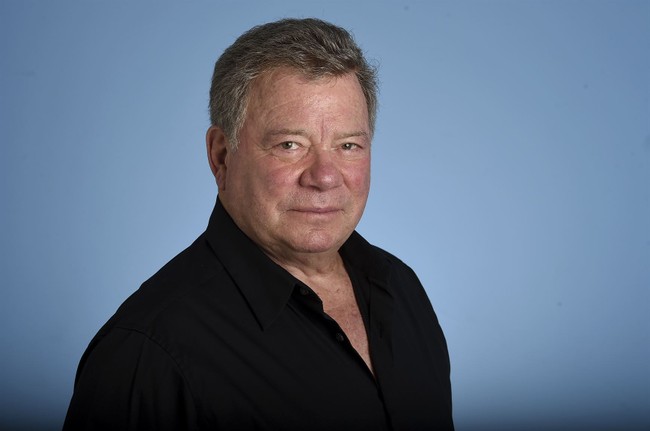
William Shatner, the original Captain James T. Kirk, is unexpectedly launching into heavy metal at 94, teaming with rock legends and covering classic metal songs while also recording new material; this piece looks at his long career, his new project, and the stubborn grit that keeps him creating decades into his life.
I remember being a kid and discovering a scrappy sci-fi show that became a cultural force, and at the center of it was Captain Kirk—brash, daring, and endlessly resourceful. That performance helped build a franchise that mixed sharp writing, social imagination, and a cast that clicked. Even now, the character still stands out as a symbol of bold leadership and flair.
The franchise itself has wandered into directions some fans don’t like, but the man who became the original Kirk keeps moving forward. At 94 years old, William Shatner is pivoting toward heavy metal, a move that reads like he’s daring the world to keep up. This is both a surprising musical turn and a statement about refusal to fade away.
‘Star Trek legend William Shatner is set to release a new heavy metal album pairing covers of staples by the likes of Black Sabbath, Judas Priest and Iron Maiden, along with all-new compositions. The 94-year-old actor/musician, etc. has revealed this venture into heavier soundscapes was spurred by a guest appearance on Nuclear Messiah‘s album “Black Flame“, for which he recorded a spoken word introduction. He commented:
“When Nuclear Messiah came to life, something clicked. It wasn’t just a track — it was a doorway. It made me want to go all the way in, bring in the best metal players I could find, and create something fearless.”
Working with that all-star collective led him to partnering with a slew of heavy metal and hard rock luminaries on covers and a a number of all-new tracks as well, including:
Zakk Wylde (Black Label Society, Ozzy Osbourne)
Ritchie Blackmore (ex-Deep Purple/Rainbow
Henry Rollins (ex-Black Flag/Rollins Band)
Edgar Froese (Tangerine Dream)
Wayne Kramer (MC5)
I’m not steeped in modern metal, so several of those names were new to me, but that doesn’t undercut the seriousness of the project. Shatner’s approach seems deliberate: he’s assembling respected players and treating the music as a collaborative forge. That attitude fits a man who built a career on taking risks and reinventing himself.
The artist has kept details close to the vest, with the track listing and many specifics withheld for now. Still, Shatner’s statements about the work make his intentions plain and unapologetic. He’s framing metal as a place where imagination can be loud and where honesty matters.
The track listing and further details are being kept under wraps for now, but Shatner did have the following to say about his passion for metal music:
“Metal has always been a place where imagination gets loud. This album is a gathering of forces — each artist bringing their fire, their precision, their chaos. I chose them because they have something to say, and because metal demands honesty.”
“I’ve spent a lifetime exploring in both reality and fiction. Now I am stepping out into the unknown once again with my new project in heavy metal. I am covering Black Sabbath, Judas Priest and Iron Maiden as well as a number of new songs written by my team. The whole project is destined for this year. I hope you will join me in the exploration.”
There’s something to admire in a person who keeps pushing boundaries rather than drifting into comfort. Shatner’s career has always mixed seriousness with showmanship, from television captain to cultural icon and occasional musical experimenter. That mix makes this heavy metal venture feel like the next act in a long-running, unpredictable performance.
It’s worth noting Shatner’s past musical turns, which range from spoken-word records to experimental collaborations, and none of them were mere vanity projects. He treats music as another stage for storytelling, and metal is an arena that amplifies drama. This new album appears to be another deliberate experiment rather than a nostalgic vanity play.
Fans who remember his best-known role will see continuity in the persona: bold, fearless, and theatrically confident. That persona translates surprisingly well into heavy metal’s bigger-than-life ethos. Whether he’s narrating an epic or belting a chorus, he brings a presence that can’t be ignored.
At an age when most people slow down, Shatner is accelerating into a genre built on energy and intensity. His determination is a reminder that creativity doesn’t have an expiration date, and that public figures can still surprise us late in their careers. For those who love a good pivot, this one lands with a curious, thrilling clang.
There’s no shortage of myth around the actor—the man who once gave Klingons a reason to respect him, who out-talked an artificial intelligence, and who embodied the confident, flawed hero on-screen. That legacy lends a certain credibility to any new, bold move he makes. It’s not just nostalgia; it’s an extension of a decades-long career spent embracing the dramatic.
Shatner’s willingness to go all in, to bring together a roster of respected musicians, and to cover metal staples alongside new songs suggests he’s interested in artistic exchange more than easy headlines. If the project delivers even a fraction of what it promises, it will be an intriguing addition to an already unusual body of work. The man keeps acting, experimenting, and defying expectations.
In the end, this is another chapter in a singular life. He keeps making choices that push him into unfamiliar territory, and that stubborn curiosity has kept him culturally relevant for decades. Expect him to be unapologetically theatrical, happily unrestrained, and determined to make noise on his own terms.



Add comment