
The story: a Washington man with a record so long it reads like a criminal catalog led officers on a dangerous 100 MPH chase, was stopped, and somehow added arrest number 98 to his tally. This piece looks at how the pursuit unfolded, what officers found, and the broader question of accountability in jurisdictions that allow repeat offenders back on the streets. It preserves the reporting on the chase and the exact quoted account from deputies while stripping away links and extraneous promotion. The focus stays on the facts, the risks to the public, and a skeptical view of policing and prosecution policies that let prolific offenders keep offending.
The chase started when deputies in Thurston County spotted a truck linked to recent thefts and tried to make a stop. Before lights or sirens were fully in play the vehicle took off, pushing speeds near 100 miles per hour and weaving through traffic in a way that endangered everyone on the road. Officers attempted a PIT maneuver that failed, and the driver continued into downtown Olympia before cutting through intersections toward neighboring Lacey.
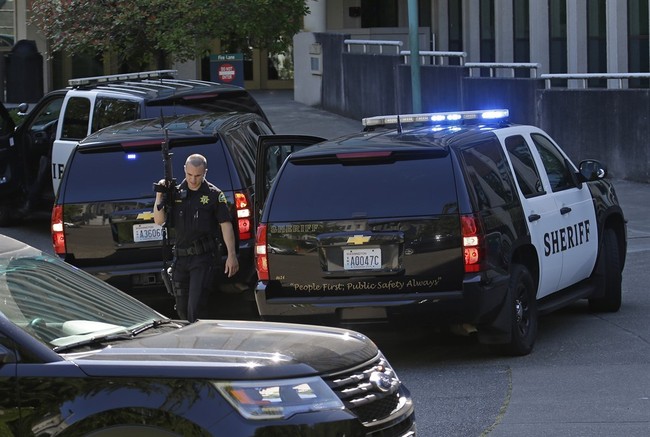
At some point the pursuit was called off because deputies judged the fleeing driver’s actions to be too reckless to continue a traditional high-speed pursuit. That decision is always hard: continuing risks public safety, while backing off can let a dangerous suspect escape. In this case the truck was later found abandoned and deputies located the two people who had been in it walking nearby, taking them into custody at gunpoint.
What officers discovered in the truck explains why they were so determined to stop it: thousands of dollars’ worth of stolen merchandise and a dashboard-mounted device described as a “custom bong device,” allegedly installed so the driver could use drugs while behind the wheel. The vehicle also contained meth, heroin, and fentanyl, which raises classic concerns about addiction-driven crime and the risk that dealers pose on the road. Those discoveries turn this high-speed chase into an incident with clear public-safety stakes beyond reckless driving.
Records show this arrest is not an isolated slip. The man is described as a four-time convicted felon with dozens of prior convictions, and officials counted this as his 98th arrest. That level of recidivism highlights a policy failure: when someone keeps cycling through the system without meaningful consequences, victims and communities suffer the results. It also fuels resentment toward prosecutors and elected officials who prioritize leniency over public safety.
The on-scene social media comment from the sheriff reflected that frustration exactly: “Nice work by deputies and dispatchers to get some career criminals into custody…. Again,” Sheriff Derek Sanders wrote in the above social media post. The “Again” is telling, because it implies a pattern recognized by local law enforcement and ignored or mitigated by the broader criminal-justice system.
There’s a policy debate underneath every high-profile chase like this: do you end a pursuit to avoid additional immediate risk, or do you tolerate a chance the suspect will keep harming people later? Some departments opt to call off pursuits to prevent crashes, which is reasonable in the moment. But courts and prosecutors also play a role by deciding whether repeated offenders face sentences that deter or incapacitate them from reoffending.
Comparisons across states come up quickly in these conversations. Many conservatives argue that if this man had struck in states with tougher sentencing and stricter prosecution, he would be serving meaningful time instead of returning to the streets. That argument connects policy choices to outcomes: jurisdictions with lenient bail, reduced charges, or plea calendars that minimize incarceration often show higher recidivism among repeat offenders.
The risk to bystanders during the chase was real. A truck barreling through intersections at highway speeds turns neighborhoods into potential crime scenes, and motorists along I-5 had no say in whether they would be caught in the path. The deputies’ eventual capture without reported injuries was a positive outcome, but it does not erase the danger that existed while the vehicle was fleeing.
Beyond the immediate incident, the pattern of possession of meth, heroin, and fentanyl raises the connected issue of supply-driven crime. When strong demand exists for illegal substances, some people will commit theft, drive recklessly, and endanger others to feed their habits. Addressing that requires both enforcement and treatment options that actually remove repeat violent and substance-linked offenders from circulation when necessary.
This arrest is another data point in a larger debate over how to protect communities, support law enforcement, and ensure repeat offenders face consequences that stop the cycle. It also demonstrates why residents and deputies alike want a system that prioritizes public safety and accountability over perpetual reentry of proven offenders into the same harmful patterns.
This time, he allegedly led officers on a high-speed chase through Olympia after stealing thousands of dollars’ worth of merchandise from multiple stores.
Deputies say the man and a woman in the truck with him were also involved in a theft in Lacey just three days prior, where they were not apprehended.
On the night of the man’s 98th arrest, deputies spotted the truck heading north on I-5 in Olympia, and before even activating their emergency lights, the truck started to speed off. Deputies chased after him, but quickly stopped after an unsuccessful PIT attempt as the truck sped into downtown Olympia.
The truck began blowing through intersections heading into Lacey, deputies say. They called off the pursuit again due to the “extremely reckless behavior of the fleeing driver.”
A short time later, the truck was found abandoned near College St.
Deputies say they quickly found the pair walking in the neighborhood. Both suspects were reportedly taken into custody at gunpoint.
Watch:



Name the idiot judge that released him the 97th time! What is the reasoning behind putting someone so crazy back on the street? Judges should periodically be judged for capability in properly handling application of the law. If they fail to do so, they should be fired. Judge number 97 seems to fit into this category.