
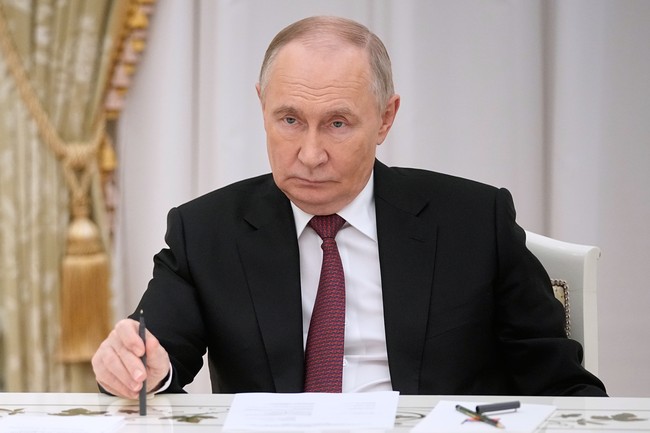
Russia has quietly signaled Tehran to seek a political settlement as tensions with the United States escalate after Operation Epic Fury, and Moscow’s stance reflects both strategic self-interest and real concern about regional instability. This shift matters because it undercuts the idea that U.S. action and Russian interests are aligned, and it exposes how Moscow is juggling its own energy vulnerabilities and regional calculations. The Kremlin’s public call for diplomacy, coupled with reports of damage to Russian energy infrastructure, adds pressure on Iran to consider de-escalation. That pressure changes the bargaining table and forces Tehran to weigh the cost of prolonged conflict against the risk of losing a major patron’s support.
The recent U.S. strikes under Operation Epic Fury have reignited partisan fireworks, but they also produced a clear strategic signal to Iran that regime-threatening pressure is real. Critics on the left scream about the politics of the president’s moves, yet the outcome is simple: America acted decisively against an adversary while Russia publicly urged restraint. That contrast weakens the tired narrative that the U.S. and Russia are somehow hand-in-glove when it comes to global security. Moscow’s call for a political settlement is a message to Tehran: pick your battles carefully, because allies have limits.
President Trump reportedly delayed an attack on an Iranian power plant while engaging in talks described as productive, promising a five-day pause to see if diplomacy could yield tangible results. Iran has denied those talks, which is predictable when a regime wants to preserve its leverage and avoid showing vulnerability until a deal is secured. Political bargaining often includes strategic denials, and leaders prudently refrain from announcing concessions before finalizing terms that protect their domestic standing. The temporary hold demonstrates how military pressure and diplomatic openings can operate in tandem.
Russia’s intervention on the diplomatic front looks motivated less by altruism and more by practical concerns over energy and regional stability. Moscow depends on global energy markets and cannot afford additional disruptions that might spike prices or isolate its own supplies further. Reports of major damage to Russian oil facilities add a fresh layer of worry and make involvement in another regional crisis unattractive. When a country is coping with strikes against its infrastructure, it has even more incentive to steer its partners toward negotiations.
That pragmatic tilt was displayed by the Kremlin spokesman’s public remarks urging a move to diplomacy. “We believe that the situation should have transitioned to a political and diplomatic settlement,” Kremlin spokesman Dmitry Peskov tells journalists at a briefing.
“This is the only thing that can effectively contribute to defusing the catastrophically tense situation that has now developed in the region,” Peskov says.
Russia’s own complications were underscored by reports of a major attack on its largest oil port, where drone strikes reportedly damaged fuel storage and processing capacity. That kind of hit on logistical hubs reverberates through markets and political calculations, reducing Moscow’s appetite for open-ended regional commitments. A disrupted energy export network forces leaders to prioritize internal resilience over expansive foreign adventurism. For Iran, that means one of its most important backers is signaling limits.
Those signals are not just diplomatic theater. If Tehran believes that Moscow might back away from robust support in the event of a prolonged conflict, Iranian decision-makers face a starker choice. Accept a negotiated settlement that preserves some regime stability or risk isolation and escalating damage. Moscow’s preference for a diplomatic path implies it thinks Iran cannot reliably win a protracted fight without exposing its own vulnerabilities.
On the ground, American strikes that degrade Iranian capabilities change the cost-benefit analysis for Tehran’s leadership. Sustained pressure shifts the balance toward compromise, especially when external patrons make clear they have limits. That dynamic has historical precedent: regimes reassess strategic bets when supply lines and diplomatic backstops become unreliable. Iran now must calculate whether continuing confrontation is worth the potential loss of critical international support.
Domestic political reaction in the U.S. will continue to heat up, but geopolitics moves on its own logic. The administration’s blend of force and the offer of diplomatic space is designed to force opponents into a decision, and Russia’s public nudge towards settlement amplifies that squeeze. In short, the Kremlin’s posture adds leverage to American pressure and complicates Tehran’s options. The region’s next moves will depend on whether Iran reads those signals as an opportunity to de-escalate or as a cue to double down.
Regardless of partisan noise, the core facts are straightforward: U.S. action has real teeth, Russia is signaling caution, and Iran faces increased isolation unless it chooses diplomacy. The interplay of military pressure and strategic signaling from major powers is reshaping the negotiation space in ways Tehran cannot ignore. How Iran responds will reveal whether it prioritizes survival and stability or bets on chaos and confrontation.



Add comment