
I will explain the situation and the stakes, relay President Trump’s warning in his own words, summarize Tehran’s response and recent strikes, note the implications for the Strait of Hormuz and oil infrastructure, and underscore the administration’s stance and likely next steps.
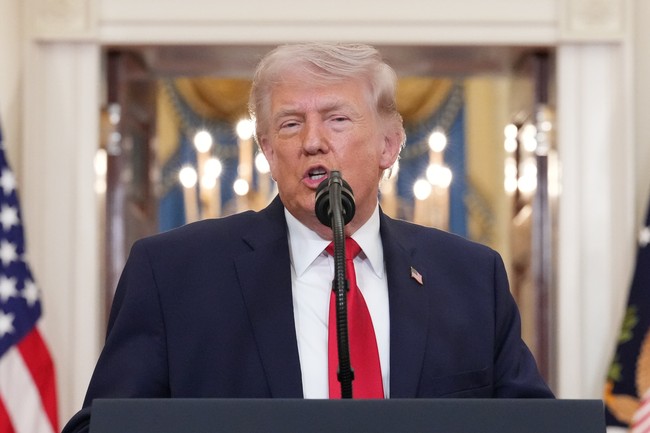
President Trump set a hard deadline for Iran, warning the regime in direct terms that time is short and consequences will be severe if they do not comply with U.S. demands to reopen the Strait of Hormuz and accept terms for ending hostilities. He framed the moment as decisive, saying this deadline could bring irreversible change for Iran and the region. The tone is unapologetically firm and designed to force a binary outcome: comply or face overwhelming force. This approach reflects a Republican view that decisive action beats endless negotiation that produces no results.
Trump warned the Iranian leadership that their survival as a ruling order was on the line, saying plainly, “A whole civilization will die tonight, never to be brought back again,” and, “I don’t want that to happen, but it probably will.” He followed that with the larger idea that sweeping regime change might open the door to a better future, writing, “However, now that we have Complete and Total Regime Change, where different, smarter, and less radicalized minds prevail, maybe something revolutionarily wonderful can happen, WHO KNOWS?” The President emphasized that decades of the same failed policies will be halted, asserting that “47 years of extortion, corruption, and death, will finally end.”
Tehran publicly rejected outside proposals and described any talks under pressure as unacceptable, issuing a formal rebuke and insisting that negotiations require mutual respect rather than coercion. The Iranian Foreign Ministry stated, “The Iranian Foreign Ministry officially rejects the reported ‘15-point’ U.S. proposal as ‘unrealistic.’ Iran firmly refuses any negotiations conducted under the shadow of illegal sanctions, military threats, or coercion. #Diplomacy requires mutual respect, not pressure,” the Iranian government . That stance leaves little room for compromise and sets up the hard choice the U.S. framed for the regime.
U.S. forces have reportedly struck strategic targets inside Iran as the deadline neared, with officials saying major military sites were hit overnight on Kharg Island. “U.S. hit dozens of military targets on Kharg Island overnight,” a U.S. official told Fox News. Those strikes targeted bunkers, radar stations, and ammunition depots, signaling an intent to degrade Iranian military capabilities and raise the cost of continued obstruction to shipping in the Gulf.
The administration has repeatedly warned it could extend attacks to oil infrastructure if Iran prevents free movement through the Strait, a choke point for global commerce and energy flows. That threat is meant to force Tehran to weigh economic and domestic consequences against any symbolic defiance. Striking energy nodes and export facilities would be a major escalation intended to cut off Tehran’s revenue streams and hasten internal pressure for change.
Beyond Kharg Island, reports emerged of strikes on transportation links and other military targets, with warnings issued to civilians to avoid train lines and similar infrastructure. Those operations reflect a broader campaign to limit Iran’s ability to move materiel and to punish military assets while trying to avoid maximum civilian casualties. The intent, from the administration’s perspective, is to apply calibrated pressure that undermines the regime’s operational capacity without igniting a wider regional conflagration.
With the deadline ticking, the White House framed this as a decisive moment where the choice rests with Iran: accept terms and reopen the Strait, or face sustained pressure intended to topple or cripple the regime’s command-and-control capabilities. The President put the consequences bluntly on the table when he said, “The entire country can be taken out in one night, and that night might be tomorrow night.” That phrasing is meant to convey seriousness and to remove any doubt about resolve.
From a Republican standpoint, this is a course correction after years of perceived weakness that allowed Tehran to expand its regional influence. The administration argues that firm, immediate action is the best path to protect international shipping, deter future aggression, and create space for new leadership in Tehran that could choose a different path. The policy rejects gradualism and hedging in favor of rapid, decisive moves meant to produce a clear outcome.
As events unfold, the region faces a high risk of escalation and broader disruption to energy markets and regional security. The coming hours and days will show whether Tehran shifts course under pressure or doubles down on defiance and endures the consequences laid out by the U.S. The next steps by American forces and diplomatic channels will be shaped by how the regime responds to the ultimatum and by on-the-ground assessments of Iranian vulnerabilities.


Add comment