
I’ll break down what’s happening: Iran is signaling willingness to negotiate if U.S. eases sanctions, but its record and regional behavior make any pact risky; protesters inside Iran have paid a steep price; American strength and credible deterrence matter; and the debate over engagement versus pressure is back at the center of U.S. policy discussions.
Iran has quietly signaled openness to talks on its nuclear program if Washington relaxes sanctions, using guarded language that suggests bargaining rather than genuine change. That message landed amid ongoing unrest inside Iran and continued support for proxy groups across the Middle East. The offer looks like classic leverage politics: incentives in exchange for vague promises, not concrete, verifiable commitments.
“Color me skeptical.” That line captures a realist Republican instinct: don’t assume a regime that sponsors terrorism and routinely lies will suddenly become trustworthy because it signs a paper. Iran’s ruling system has repeatedly flouted agreements, shuffled programs into secrecy, and used pauses to buy time. A deal without ironclad inspections and real consequences would simply hand Tehran breathing room to advance its ambitions elsewhere.
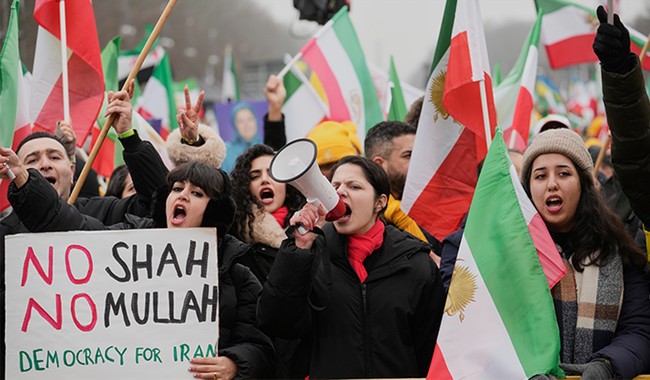
The internal dynamics inside Iran complicate any negotiation. Millions of Iranians have risked everything demanding change, and the protests have cost lives—over 7,000 deaths have been reported amid those uprisings. Those citizens want accountability and reform, not a diplomatic reset that props up the same clerical regime. Any U.S. approach that appears to reward the mullahs undermines the aspirations of the Iranian people who have already paid a harsh price for speaking out.
On the strategic front, the regime’s backing of Hezbollah, Hamas, and other groups makes any rollback of pressure dangerous unless it is part of a broader deal that addresses regional security, arms flows, and ballistic capabilities. History shows that pledges to stop support for proxies are often temporary or staged. From a Republican perspective, the United States must insist on verifiable, enforceable measures and preserve options to punish violations swiftly.
Negotiations should not be paint-and-pray exercises where Tehran signs vague commitments and continues its malign behavior in shadow networks. Any lifting of sanctions must be paced, reversible, and tied to clear actions monitored by robust international inspectors. Without that architecture, easing penalties would simply replenish the regime’s finances and strengthen its capacity to oppress dissent at home and fund terrorism abroad.
Diplomacy has a role, but it cannot be detached from deterrence. The United States should pair any talks with a credible posture in the region that protects allies, deters aggression, and supports human rights. That means keeping military and intelligence options on the table, deepening relationships with partners, and using sanctions as a calibrated tool to shape behavior. Soft-handed approaches without credibility invite exploitation.
There is also a moral dimension: supporting the Iranian people’s desire for freedom must be a core consideration. Rewarding the ruling class at the expense of protesters would send the wrong signal and could foster greater instability over time. Policies that empower reformers and punish persecutors align American interests with the aspirations of ordinary Iranians seeking a different future.
Practical dealmaking requires verification, not just promises. Robust inspection regimes, snap-back sanctions triggered by noncompliance, and multinational cooperation are necessary to prevent a repeat of past failures. The goal should be to reduce Iran’s capacity to develop a nuclear weapon and to cut off resources for proxy warfare, while ensuring the Iranian people are not abandoned in the process.
The debate now is familiar: engagement advocates argue sanctions relief can temper Tehran, while cautious conservatives insist pressure and deterrence are the right lever. Given Iran’s track record and the stakes in the region, a posture that combines careful diplomacy with clear, enforceable conditions and strong deterrence is the prudent path. Trust but verify isn’t good enough here; insist, verify, and be prepared to act if the regime betrays the terms.
Editor’s Note: Thanks to President Trump and his administration’s bold leadership, we are respected on the world stage, and our enemies are being put on notice.



Add comment