
I’ll explain why President Trump’s move to rescind the EPA’s 2009 endangerment finding matters, who reacted and why they’re predictable, how this change shifts regulatory power back toward voters and markets, the economic case for fewer agency mandates, and why critics from the left are missing the bigger picture.
Donald Trump announced the repeal of the Environmental Protection Agency’s 2009 endangerment finding, which had declared greenhouse gases a threat and provided the legal basis for sweeping federal restrictions. That ruling empowered agency bureaucrats to pursue rules that reshaped industry choices and limited energy options across the country. Repealing it removes a central legal lever used to justify part of the modern regulatory state and opens the door to a different balance between federal control and consumer freedom.
Unsurprisingly, the predictable left-leaning defenders of the ruling erupted in outrage almost immediately. Establishment Democrats, well-paid environmental consultants, and prominent climate activists framed the repeal as an attack on health and safety. Their arguments tend to treat regulatory expansion as evidence of moral rectitude, even when those rules carry big economic costs for everyday Americans.
That audience is the same group that benefits from the regulatory ecosystem they’ve built: advocacy groups, consultancies, and politicians who campaign on alarm and often profit from solutions that require more government spending and oversight. Critics present the repeal as a surrender to fossil fuel interests, but the core issue is whether policy should prioritize centralized regulatory power or restore decision-making to states, markets, and consumers.
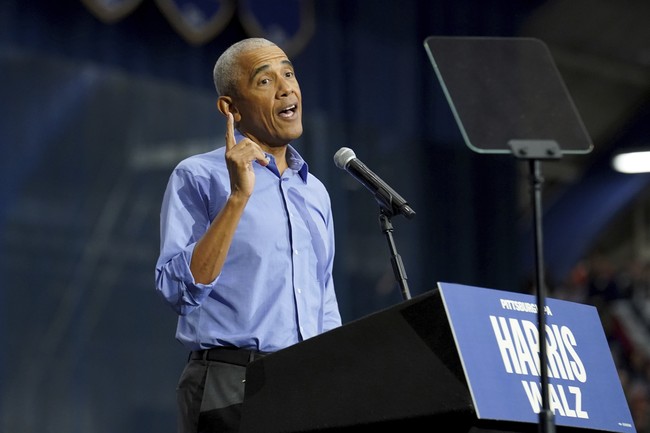
Today, the Trump administration repealed the endangerment finding: the ruling that served as the basis for limits on tailpipe emissions and power plant rules. Without it, we’ll be less safe, less healthy and less able to fight climate change — all so the fossil fuel industry can make even more money.
That exact quote from a former president captures the standard playbook: invoke safety and health, name the fossil fuel industry as villain, and imply any roll-back equals immediate catastrophe. The rhetorical strategy works for mobilizing supporters, but it glosses over the trade-offs: higher energy prices, lost jobs, and constrained grid reliability. Conservatives argue that protecting livelihoods and keeping energy affordable deserve equal weight in public policy debates.
Former vice president Al Gore and other climate advocates chimed in with sharp criticism, repeating familiar refrains about scientific consensus and impending disaster. Their loud responses fit an established narrative that frames deregulation as denialist and reckless. The political theater around this decision was expected, and it highlights how polarized discussions about climate policy have become.
Critics demand immediate legal action and warnings about future harms, but the legal landscape is complex and includes procedural steps, administrative reconsiderations, and judicial review. Repealing the finding does not erase the need for clean air or water protections; it simply removes one specific statutory basis the EPA used for broad regulatory initiatives. That distinction matters for lawmakers and voters who want clarity about which tools remain available to federal and state authorities.
California’s leadership and other coastal states reacted sharply, arguing the move weakens national environmental standards and threatens emissions progress. State-level activists claim federal retreat will force them to double down on regulations, which in turn increases compliance burdens for businesses operating across state lines. Conservatives counter that states should have flexibility and that national policy should avoid one-size-fits-all mandates that stifle innovation.
The core conservative case is straightforward: the endangerment finding concentrated regulatory authority within an administrative agency, giving bureaucrats the power to impose costly mandates without direct democratic accountability. Rolling back that authority returns choices to Congress, states, and consumers, and it reintroduces the possibility of market-driven innovation rather than prescriptive, top-down command. This approach trusts Americans to weigh costs and benefits and to adopt technologies that work in the real world.
Policy debates will now focus on how to balance environmental goals with economic realities, grid reliability, and energy affordability. The repeal is not a free pass to ignore environmental stewardship, but it does change the institutional path for crafting future rules. Republicans supporting the move argue that durable solutions should come from legislation and competitive markets instead of broad agency pronouncements.
Legal challenges and political fights are inevitable, and the outcome will shape how the United States manages energy and environmental priorities for years to come. Observers on both sides will continue to claim the moral high ground, but the essential question is practical: which institutions and incentives will best protect both prosperity and the environment going forward?



Add comment