
Today’s roundup zeroes in on Texas runoff drama, a presidential Walter Reed stop and physical, a Gold Star family moment, ICE protests and rising law-and-order concerns, plus a look at what to expect from the Supreme Court and the coming policy calendar. This piece keeps the focus on elections, national security, and everyday patriotism, with exact quotes preserved from the original coverage and embeds left intact.
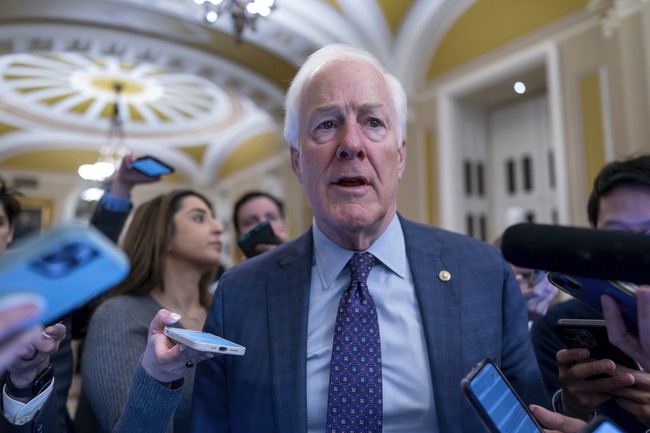
Texas voters are heading to the polls in a high-stakes runoff that could reshape the GOP bench in Washington. The biggest ticket is the Senate contest that will determine whether Sen. John Cornyn seeks another term or whether a challenger will carry the torch, with Ken Paxton and other contenders influencing conservative momentum. This race is being watched as a referendum on establishment politics versus outsider energy within the Republican Party.
Down-ballot contests are feeding the same dynamic. Rep. Chip Roy and state Sen. Mayes Middleton battle for the state attorney general nomination, and several congressional runoffs could flip local representation depending on turnout. These fights matter because they show how the grassroots and establishment wings are sizing each other up heading into the general election cycle.
Meanwhile, Washington’s calendar is light with a District Work Week, so no votes or hearings are scheduled, but reconciliation and other big-ticket items remain unresolved. The Supreme Court is expected to hand down more decisions this week, a development conservatives will watch for long-term legal impact. These rulings often set the tempo for policy fights that will define the next Congress.
The White House schedule for the day centers on President Trump’s visit to Walter Reed, where he will greet service members and undergo his annual physical. The day includes multiple policy meetings and a public evening event, reflecting the administration’s mix of ceremonial duties and governance. Keeping the commander in chief’s health and interaction with the military front and center matters politically and symbolically for conservatives.
Hard news across the country underscores a law-and-order theme that resonates with many voters. Reports of local residents forced to take crimefighting into their own hands feed concerns about public safety and the need for robust local enforcement. The tone of coverage suggests a frustration with officials who appear unwilling or unable to curb rising disorder in some cities.
Immigration-related protests have returned to the national stage, and anti-ICE demonstrations raise questions about tactics and accountability. Those clashes often feature charged rhetoric and confrontations that then become fodder for broader national debates about enforcement and humanitarian obligations. The political fallout favors those who argue for stronger border security and clearer enforcement policies.
We must keep fighting for our country, just as SSG Alan W. Shaw would do if he were here.
Stories honoring Gold Star families remain powerful and unifying, a reminder of sacrifice that transcends partisan fights. A recent moment at Arlington underscored how communities and public figures came together to honor a fallen service member, and conservative outlets highlighted the patriotism on display. Those scenes often remind readers why national defense and support for veterans remain core conservative priorities.
They were chanting, “Quit your job,” and “Why are you hiding your face?” at the federal agents — even though some of the activists were wearing masks. The hypocrisy seemed to escape them.
Media and commentary pieces included in the original briefing argued that political violence and extremism are complex and not easily labeled left or right, but that society faces a broader pattern of nihilistic violence. That framing pushes a law-and-order narrative that stresses community stability over ideological divisions. It’s a line that will be pushed hard in campaign messaging this year.
Good luck to these residents — at least they’re trying to take a stand.
Cabinet-level action and personnel were mentioned in passing, with an acting Labor secretary emphasizing fraud prevention around taxpayer dollars. Conservatives will point to administrative focus on accountability as a necessary corrective after years of bureaucratic laxity in some departments. That theme dovetails with electoral messages about limited government and efficient stewardship of public resources.
Looking ahead, Vice President JD Vance will deliver a commencement address at the U.S. Air Force Academy, and the president is scheduled to attend the G7 Summit in Évian-Les-Bains, France, in mid-June. These appearances offer chances to underscore defense, alliances, and conservative policy priorities on the international stage. Engagement abroad and support for the military at home remain staples of Republican messaging.
On the lighter side, a cultural note about collectibles and representation sparked online chatter, showing how pop culture debates continue to bleed into political commentary. That story sits alongside others about Memorial Day posts and public messaging missteps that drive short-term controversy and long-term perception battles. Conservatives will use these flashpoints to press arguments about respect for tradition and common sense.
The day ahead promises close watching of runoff returns, presidential engagements, and potential court rulings that will influence policy and politics for months to come. Political operatives on the right will be focused on turnout, messaging, and turning these developments into momentum. The stakes are high, and the mood is energized among conservatives ready to argue for secure borders, safer streets, and strong support for those who serve.

Add comment