
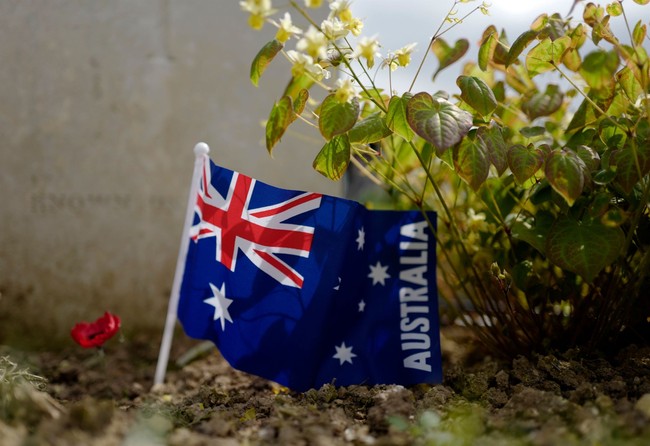
This article reports on a targeted terror attack at Bondi Beach during a Hanukkah gathering that left 12 dead, including a gunman, and dozens wounded; it describes where and when the shooting happened, what officials are saying about suspects and explosive devices, reactions from leaders, and the ongoing investigations while preserving key quotes and embedded media from the scene.
At least 12 people, counting one gunman, were killed in a deliberate terrorist strike on the Jewish community at Bondi Beach during a Hanukkah event on Sunday evening. The shooting took place around 6:45 p.m. local time in Archer Park near the Bondi Pavilion, where more than 1,000 people had gathered for “Chanukah by the Sea 2025.” Witnesses say the celebration, intended as a family night of light and song, turned into chaos when two armed men opened fire from a bridge above the crowd.
Authorities report one attacker has been killed and another taken into custody in critical condition, and at least 29 people were wounded in the assault. Videos of the incident circulated on social platforms almost immediately after shots rang out, capturing the panic and the frantic emergency response. The scale and timing of the attack—on the first night of Hanukkah—make clear it was intended to strike the Jewish community at a vulnerable moment.
NSW Premier Chris Minns described the incident in forceful terms, calling it a “cowardly” targeted assault on the Jewish community. “This cowardly act of terrified violence is shocking and painful to see and represents some of our worst fears about terrorism in Sydney,” Minns said, and he added, “This attack was designed to target Sydney’s Jewish community on the first day of Hanukkah.” Those words reflect both the personal horror felt by residents and the wider security implications for public gatherings.
Police investigators are treating the incident as an act of terrorism and are exploring whether additional suspects were involved. Reports mention a potential third gunman and authorities say improvised explosive devices were found and removed from a vehicle connected to one of the attackers. Those discoveries have broadened the scope of the probe and increased concern about coordinated planning behind the assault.
An official source has identified one of the attackers as Naveed Akram, and law enforcement moved quickly to raid residences tied to the investigation. Officials emphasize that the situation remains fluid as they sort through forensic evidence, witness accounts, and digital media captured at the scene. The need to secure the area, protect civilians, and gather intelligence has stretched local resources and prompted calls for national support.
Israel’s foreign minister weighed in with a blunt critique of prior warnings. “Unfortunately, the deadly terror attack in Sydney was expected,” he said in a video in Hebrew, “We warned the Australian government countless times during this period. Unfortunately, it did not do enough.” That statement accuses authorities of underestimating a rising threat of anti-Semitic violence tied to global tensions, and it will feed debate about intelligence sharing and protective measures.
The attack is particularly jarring in Australia, a country often cited for strict gun laws following the Port Arthur massacre in 1996 when a lone gunman killed 35 people. That historic change in policy is part of the national conversation now, as citizens and officials alike ask how such an attack could occur amid tight firearms regulations. Critics from a conservative perspective will argue that this incident exposes gaps in enforcement, intelligence, and attention to radicalized actors rather than invalidating the policy itself.
Emergency services and hospital staff were pushed into sustained response, treating the wounded and managing an influx of traumatized survivors and bystanders. Local synagogues and community groups moved quickly to account for missing people and provide aid to families, while security at Jewish institutions nationwide was stepped up in the immediate aftermath. The community’s resilience now faces a long recovery, both physically for victims and emotionally for those who were there.
Investigators continue to examine motive, weapons, and any networks that might have supported the attack, and they say arrests and searches are ongoing as leads are pursued. At the same time, political leaders call for clarity and protective action, emphasizing the need to prevent further attacks and to support targeted communities. As the inquiry unfolds, the public will expect a transparent account and decisive moves to harden protections around vulnerable events and congregations.
Muslims should not be able to own firearms, swords, or large knives.