
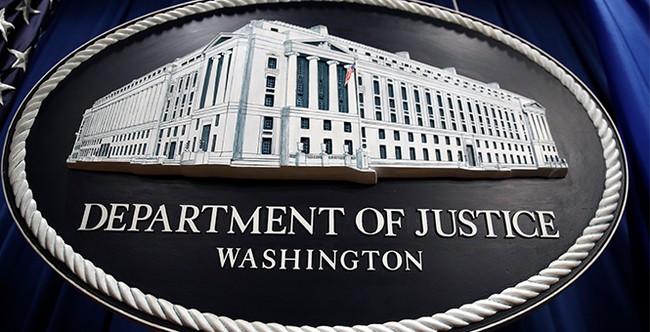
The Department of Justice has unsealed an indictment accusing the Southern Poverty Law Center of using donor money to pay actual extremists, including a paid planner tied to the 2017 Unite the Right rally in Charlottesville, and officials are calling it a deliberate scheme to manufacture fear and profit from it.
SPLC Funneled $270K Cash to Charlottesville Hoax Rally Planner — ‘Manufacturing Racism’
For years the Southern Poverty Law Center presented itself as the nation’s watchdog against hate, collecting donations by warning about extremist threats. The new indictment alleges a very different reality: the SPLC secretly routed millions to individuals tied to violent extremist groups while telling donors their money was fighting those same groups. If proven, the charges rewrite the public story about who was actually fueling the toxicity that followed the Charlottesville rally.
Federal prosecutors filed an 11-count indictment accusing the organization of wire fraud, bank fraud, and money laundering connected to more than $3 million funneled to extremists and associated actors. Among the alleged payments was more than $270,000 to a person identified in court papers as a paid field source linked to the online leadership group behind the 2017 rally. The indictment says that paid source was directed to attend the event and coordinate logistics for attendees.
According to the charging documents, the SPLC maintained what it described internally as a “Paid Informants Network,” referred to as “the Fs,” which the indictment says were used as field sources to cultivate evidence of extremist activity. The indictment text includes a passage about “F-37” that reads: “F-37 was a member of the online leadership chat group that planned the 2017 ‘Unite the Right’ event in Charlottesville, Virginia, and attended the event at the direction of the SPLC. F-37 made racist postings under the supervision of the SPLC and helped coordinate transportation to the event for several attendees. Between 2015 and 2023, the SPLC secretly paid F-37 more than $270,000.00.”
Prosecutors contend the scheme was more than clandestine payments; it was an effort to manufacture incidents that could be monetized through donor appeals and public alarm. Acting Attorney General Todd Blanche summed up the allegation plainly: “The SPLC is manufacturing racism to justify its existence,” and the Justice Department framed the case as one that will hold the nonprofit to account if the facts support criminal liability. Federal leaders stress that using charitable funds to pay the very actors donors believe they are fighting is the core of the alleged deception.
Officials cited a roster of organizations and individuals who, according to the indictment, received SPLC support, naming groups that include the Ku Klux Klan, the National Socialist Party of America, the United Klans of America, and participants in Unite the Right. The complaint argues the organization publicly denounced these groups while covertly channeling resources to them, then portrayed the resulting threats as evidence of their own necessity.
The indictment links the SPLC’s alleged operations to heightened tensions around the Charlottesville event, which culminated in a vehicle attack that killed Heather Heyer and wounded many others. Prosecutors say the paid propaganda and logistical support contributed to an already charged atmosphere and helped mobilize participants. Those connections are central to the government’s theory that donor dollars were misused to create the conditions the charity claimed to be fighting.
FBI Director Kash Patel offered a blunt assessment: “The SPLC allegedly engaged in a massive fraud operation to deceive their donors, enrich themselves, and hide their deceptive operations from the public,” and paused only to underline the claim that the organization reportedly paid extremist leaders and used funds to enable criminal acts. The agency says a conviction would include forfeiture of proceeds and would serve as a rebuke to organizations that operate with a deceptive playbook.
Critics of the SPLC long questioned its methods and motives, but this indictment turns those suspicions into a criminal allegation that must now be decided in court. The case forces a reckoning about how nonprofit watchdogs collect and use funds, and whether donors were misled about the true purpose of their contributions. As the legal process proceeds, the claim that a charity manufactured racism to sustain itself will be tested with evidence and testimony in federal court.
While investigators pursue the charges and the organization prepares its defense, the broader conversation will focus on transparency, donor trust, and the tactics used by advocacy groups to build relevance and revenue. The Department of Justice says no entity is above the law and that this investigation seeks to determine whether alleged conduct crossed criminal lines; the courts will ultimately resolve those questions based on the record presented at trial.

Add comment