
This article explains Florida’s History of Communism law, why the state moved to require classroom instruction on communism, what the approved standards say, common criticisms and the answers offered by supporters, and how the law fits into broader debates over civic education and historical accuracy.
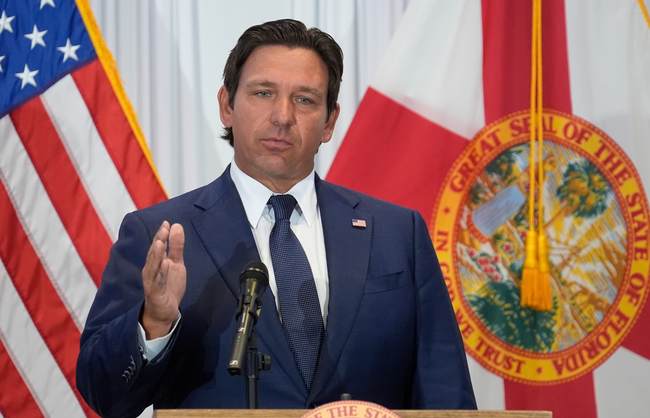
In 2024, Gov. Ron DeSantis signed Senate Bill 1264, requiring instruction in public schools on the history of communism, a move aimed at giving students a clearer sense of how communist regimes have affected individual freedoms and societies. Supporters argue the law corrects gaps in U.S. civic education and responds to growing youth interest in socialism without a firm grasp of historical reality. Critics have framed the mandate as ideological or alarmist, but proponents say it simply restores serious historical study to K–12 classrooms. The real fight is over whether schools teach students how to think or what to think about these powerful ideas.
The Florida Department of Education was charged with turning the law into concrete classroom standards, and in 2025 officials approved a set of History of Communism Standards that were described as “developed by Florida educators and content experts.” Those standards aim to provide age-appropriate content so teachers know what to cover and when to cover it. That kind of structure appeals to educators who want clarity and to parents who expect schools to present rigorous, fact-based curriculum. For supporters, the standards are a common-sense fix to uneven social studies instruction nationwide.
Opponents labeled the new standards “skewed,” “highly biased,” and a “revival of McCarthyism,” language that inflames but does not always specify which elements are objectionable. Those critics worry the law will produce one-sided lessons or silence alternative perspectives about collectivist experiments. Advocates respond that the law requires “historical accuracy” and does not ban discussion of ideas or positive effects linked to socialist policies. The emphasis, they say, is on factual context and critical evaluation, not indoctrination.
One practical reason Florida pursued the law is data showing many young Americans express support for socialism while lacking a clear definition of the term or knowledge of its real-world consequences. As a former public high school social studies teacher, I can attest to uneven standards and weak coverage of complex political systems, including communism. That absence leaves students vulnerable to simplistic narratives or online talking points that lack historical grounding. The new law aims to remedy that by embedding lessons into grade-appropriate sequences across middle and high school.
The standards spell out what students should encounter at different levels. In sixth grade, the curriculum includes ancient communal systems and their societal effects; seventh grade asks students to assess the effects of communist governments on individual freedoms, political participation, and the economy; eighth grade examines early attempts at communal living in American history and their economic consequences; and high school work focuses on analyzing the intellectual, political, and economic origins of communism. This staged approach is intended to match complexity with developmental readiness.
Critics claim adding this content will crowd out other important topics, but the standards were written so they do not supplant core elements like Holocaust education or the history of African Americans. The 2025 updates explicitly allow instructional personnel to address, in an age-appropriate manner, how freedoms have been infringed by sexism, slavery, racial oppression, racial segregation, and racial discrimination. That language aims to reassure educators and parents that broader historical harms remain central to the curriculum while still making room for rigorous study of communist movements and their impacts.
Another frequent question is whether the law censors discussion of positive aspects of socialist or collectivist ideas. The statute contains no language that explicitly restricts classroom debate. Supporters emphasize that the mandate applies to “historical accuracy” and that free and open inquiry, including robust classroom debate from varied perspectives, remains protected. In practice, teachers retain discretion to present multiple viewpoints while adhering to standards centered on facts and primary sources.
Some worry younger children will be exposed to these topics prematurely, but the standards limit formal instruction on the history of communism to middle and high school grades. Kindergarten and elementary curricula are unaffected by this law, and the intent is to introduce complex political and economic ideas only when students are developmentally ready to engage with them. That staged planning is meant to reduce parental concern while ensuring that older students receive a fuller historical picture.
At its core, the Florida law reflects a political choice about civic education: whether schools should deepen students’ understanding of dangerous ideologies and historical outcomes or leave those lessons to chance. Proponents frame the change as protecting future citizens by teaching them the real-world consequences of political systems that have suppressed freedoms. Detractors view the move through a skeptical lens and remain vigilant about potential bias, so the debate over implementation and classroom practice will likely continue as districts translate standards into daily lessons.



Add comment