
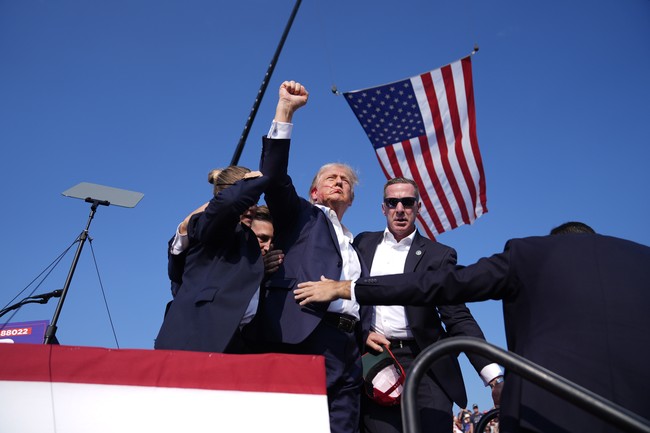
This article examines the renewed suspension of Secret Service agent Myosoty “Miyo” Perez, who led security at the Butler, Pennsylvania rally where a gunman nearly killed former President Trump, and the subsequent revelation that she failed to disclose a marriage to a foreign national for nine months.
The memory of Butler, Pennsylvania is still raw for many conservatives who watched the 2024 campaign night nearly turn into a national tragedy. A gunman set up on an unattended rooftop with a clear line of sight to the podium, and a presidential candidate narrowly escaped death. That close call exposed glaring gaps in protective planning and raised hard questions about who had responsibility for on-the-ground security.
Myosoty “Miyo” Perez was identified as the agent in charge that day, and her role put her squarely on the blame line. After the rally debacle she was suspended, and now she faces a second suspension following reports that she failed to report her marriage to a foreign national for nine months. That omission is a serious violation of protocols that protect national security.
The new suspension is more than a bureaucratic footnote; it is a sign of judgment failures at multiple levels. Failing to disclose a marriage to a foreign national raises red flags about conflicts of interest, susceptibility to influence, and adherence to the rules that every agent is sworn to follow. For a unit whose job is to ensure the safety of the president and candidates, such lapses are unforgiving.
Yet the reality of the situation was that Perez, because of her inexperience and detailed knowledge about running a big outdoor rally, had no business planning and leading security that day. She was set up to fail by bosses, including Curran, who served as Trump’s campaign detail leader at the time and is now leading the Secret Service, according to dozens of Secret Service sources inside the agency and those who have retired after lengthy careers.
The quoted assessment places blame higher up the chain and suggests Perez was not the only one at fault. Whether that’s true or partly true, leadership decisions matter, and selecting the right people for the right roles is not optional. When protectors fail, the consequences are measured in lives and national confidence, not in personnel memos.
Republicans and conservatives rightly demand accountability when failures occur, especially when those failures nearly cost the life of a former president and party standard-bearer. The absence of meaningful consequences nearly two years after the Butler attempt feels like a failure of institutional courage. People want to know who made the call, why the planning was flawed, and what changes will stop this from happening again.
Critics argue Perez was a scapegoat, set up by supervisors who misjudged the situation and then left the field exposed. Supporters of tougher oversight counter that an agent who signs her name to responsibility must be held accountable for both action and disclosure failures. Both positions converge on one point: the agency must fix systemic problems and enforce standards without exceptions.
Practical reforms should include tighter vetting for lead roles at high-profile events, mandatory and timely personal disclosures, and transparent reviews of decision-making chains. The public deserves a Secret Service that operates with competence and integrity, not an agency that shields mistakes behind bureaucratic language. Clear rules and swift enforcement restore trust more than explanations do.
Even as investigations and suspensions proceed, the political reality is unavoidable: Donald Trump is once more President of the United States, and the stakes of protecting national leaders have not diminished. The Butler incident remains a stark reminder that security protocols are only as strong as the people who implement them. The American people need assurance that lessons were learned and changes made.
Until the agency shows it can police itself and hold individuals accountable, questions will linger about hiring, promotions, and who gets assigned to protect the highest-profile events. That uncertainty weakens public confidence and invites partisan exploitation of genuine security failures. Conservatives who prize law and order should press for clear answers and prompt corrective steps.
Perez’s renewed suspension for the marriage disclosure failure is now part of the public record, and it will factor into any final judgments about the Butler security breakdown. The episode should prompt a sober reexamination of how assignments were made and why critical warning signs went unheeded. Americans deserve a Secret Service that acts with competence, transparency, and loyalty to its mission.


Add comment