
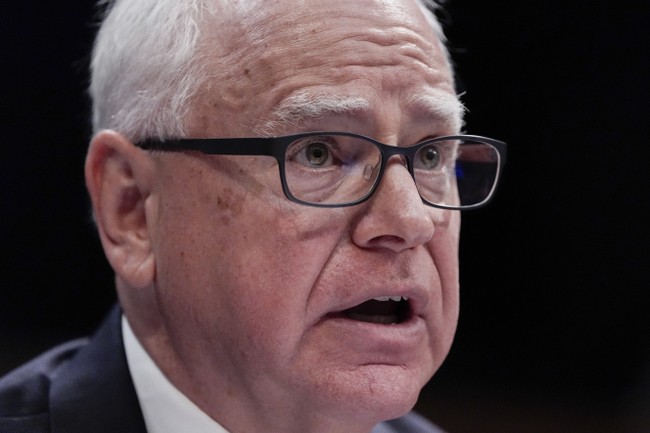
This piece takes a direct look at the clash between Minnesota Governor Tim Walz and South Dakota Governor Kristi Noem over ICE operations, the recent deadly encounter involving ICE agents in Minneapolis, and the broader issues of alleged state-level fraud and cooperation with federal law enforcement. It focuses on the political fallout, the substance of Noem’s response, and how decisions by state officials affect officer safety and taxpayer accountability.
Noem Eviscerates Tim Walz in Reply to Clueless Statement Against ICE
Tim Walz is wrapping up his term after announcing he won’t seek reelection, and his record—especially on law enforcement and immigration—has become a political flashpoint. Republicans argue his rhetoric and policies have undercut federal partners like ICE and contributed to dangerous on-the-ground situations. That criticism crystallized after an incident in Minneapolis where ICE agents shot and killed a woman alleged to have tried to run them over.
The Minneapolis episode reanimated long-standing tensions between state leaders and federal law enforcement. Critics say when state and local officials refuse to cooperate or publicly denounce ICE, it forces federal agents to make arrests in riskier, community settings. Those decisions, the argument goes, increase danger for officers and bystanders alike instead of allowing pickups in secure environments like jails.
Walz publicly questioned ICE tactics after the incident, calling into question the resources used during federal operations and suggesting the response was excessive. He wrote that it shouldn’t take 50 agents to arrest one person at a library and said, “Nobody is fooled into thinking this bafoonery (sic) is a reasonable use of taxpayer dollars.” This line landed badly with conservatives who see it as tone-deaf, given ongoing revelations about fiscal mismanagement in Minnesota.
Those revelations include audits and reports alleging massive fraud and even changes to records that suggest efforts to cover up compliance problems. Republican critics point to figures and findings that raise real questions about how taxpayer money was handled under Walz’s watch. From their perspective, Walz has no standing to lecture federal agents about expenses when state-level fiscal integrity is under scrutiny.
Really, you’re worried about taxpayer dollars? There’s been $9 billion stolen from the taxpayers in Minnesota since you became Governor.
You won’t let us in Minnesota’s jails and there is rampant assault against our law enforcement thanks to vilification from politicians like you. So, yes, there’s strength in law enforcement numbers to remove these violent criminals from the communities you refuse to protect.
Kristi Noem’s response landed like a knockout punch for Republicans looking to hold Walz accountable. She tied the safety of federal officers and the public to the refusal of state authorities to cooperate with ICE, and she connected that refusal to the broader problem of crime and protections for law enforcement. For conservatives, that blunt framing underscores a pattern: political virtue signaling that has real consequences on the street.
The argument from the GOP side is straightforward: if sheriffs and jails allow timely handoffs to ICE, federal agents can arrest suspects in controlled conditions and reduce risks. When state policy blocks that path, agents must conduct operations in public spaces where unpredictability is higher and the chance of violent confrontation increases. Noem and others say this is common sense, not a partisan talking point.
Beyond officer safety, the fiscal angle keeps resonating. Republicans point to audits alleging billions in misspent or stolen funds and to accusations that records were altered, “suggesting an effort to retroactively manufacture paperwork to show compliance.” Those allegations feed a narrative that Walz prioritized messaging over management, and they make his complaints about ICE spending seem hypocritical.
Political leaders who publicly vilify law enforcement create incentives for hostile behavior toward agents, critics charge, and those incentives have shown up in frightening incidents. Moreover, refusal to cooperate with federal law enforcement raises practical problems: when suspects are released back into communities because of intergovernmental stand-offs, the public pays the price in safety and trust. That is the blunt reality Republicans point to.
At the center of this clash are real people—ICE agents, jail staff, victims, and taxpayers—whose lives are affected by policy choices. Republicans say accountability should extend to both law enforcement operations and the stewardship of public funds, and they want state executives to stop undercutting federal partners. The debate over tactics and responsibility is going to stay front and center as investigations and audits move forward.


Add comment