
Checklist: explain the controversy, note the scale of the fraud, quote critics and prosecutors, show the political fallout, and preserve original quoted lines and embeds.
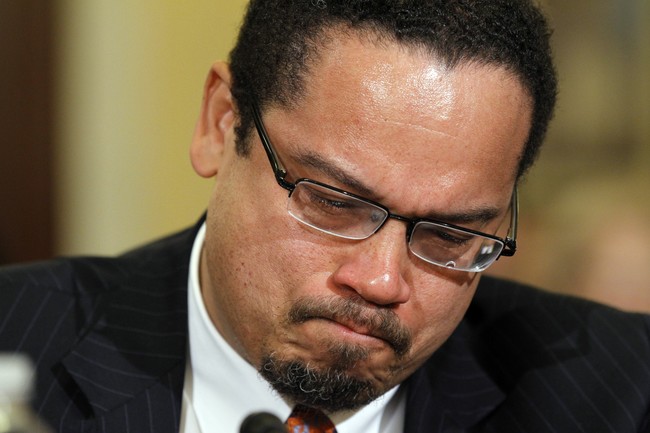
Minnesota Attorney General Keith Ellison is being slammed for publicly celebrating a fraud crackdown that critics say exploded on his watch. The scandal centers on massive abuse of social services in the state, much of it tied to Somali networks, and estimates of the loss have reached as high as $9 billion. Voices across the political spectrum — especially Republican officials and conservative commentators — are calling out the timing and tone of Ellison’s post. The state’s leaders are now facing questions about oversight and accountability.
The core complaint is simple: officials failed to stop a long-running scheme that siphoned taxpayer dollars. Lawmakers and former prosecutors say the fraud wasn’t a sudden discovery but a pattern that grew because of weak controls and poor enforcement. Those who followed the story say the problem was allowed to expand over years, creating what one critic called a culture in which bad actors could operate freely. For taxpayers, the result was catastrophic.
Ellison’s social media post drew swift backlash from prominent figures who framed his celebration as tone-deaf. Ted Cruz reacted with a succinct derision and others piled on, pointing out that the misconduct unfolded under Democratic leadership. Calls for tougher accountability were loud and immediate, with several Republican lawmakers publicly chastising state officials for inaction. These critics argue the response looks like an attempt to claim credit only after public exposure forced a hand.
Ted Cruz’s sharp reaction was quoted alongside the pushback that followed.
😳 Arsonist claims to be fire fighter….
Republican Rep. Tom Emmer pressed the point further, stressing that this level of fraud developed while Ellison and other Democrats were responsible for oversight. Conservative communicators and commentators echoed that theme, questioning how such a sprawling scheme could take root. One commentator noted that the phrase “fraud tourism” entered the conversation because it was reportedly so easy to exploit Minnesota’s systems. The critics see a pattern: lax oversight, poor enforcement, and political leaders who only moved after the scandal became undeniable.
Conservative voices on social media and in the press highlighted specific failings in state governance and program administration. Reporters and commentators detailed how money flowed to suspicious entities and how internal controls were bypassed or ignored. That reporting helped fuel a narrative that the failures were systematic rather than isolated. For many observers, that systemic claim is the most troubling part.
Former federal prosecutor Joe Teirab provided blunt commentary about who he sees as responsible. Teirab argued that the governors and commissioners who ran the agencies created the environment that let the fraud flourish. He insisted the attorney general should have detected and investigated these patterns earlier once warning signs appeared. His view resonated with those who believe the scandal reflects leadership breakdowns at multiple levels.
“Tim Walz was responsible for putting into place the commissioners of the different departments who are allowing all this money to go out, and then you had Keith Ellison, who not only should have done something about stopping the fraud once he had a sense that things were happening, he should have started to investigate it,” Teirab told Fox News Digital in an interview earlier this month.
Conservative columnists and local Republicans described the episode as emblematic of broader progressive governance failures. They argue that when program oversight is deprioritized, it creates an invitation for fraud and waste. That critique goes beyond personalities and lands squarely on policy choices and administrative priorities. For those making the case, the practical consequence is preventable losses of public funds and eroded trust.
Public anger centers on the mismatch between celebratory messaging from state officials and the real costs borne by Minnesota residents. Critics say congratulations from leadership ring hollow when oversight lapses allowed billions to be misdirected. The debate now involves legislative hearings, calls for reforms, and demands for greater transparency about what went wrong. Voters and watchdogs will be watching how state leaders respond to those demands.
As pressure mounts, the political fallout will likely play into ongoing debates about immigration, social welfare administration, and state accountability. Republican officials will use the episode to argue for stricter controls and clearer lines of responsibility. Whatever the next steps, the public expects concrete changes to prevent a repeat of what many see as an avoidable catastrophe.


Add comment