
The Left Isn’t Going to Like This: Bari Weiss Explains Decision to Pull ’60 Minutes’ Illegal Alien Story
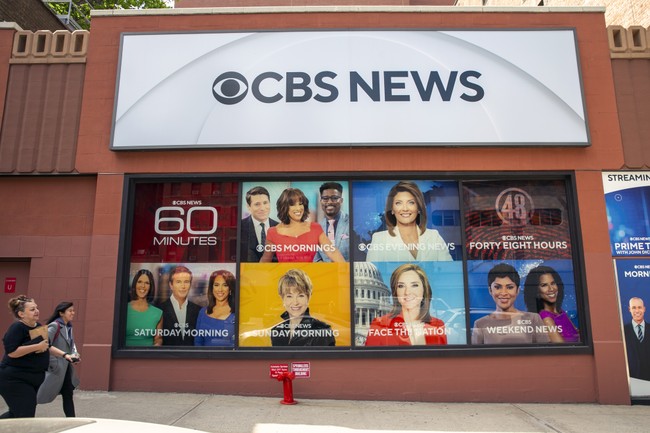
Bari Weiss pulled a 60 Minutes segment about deported Venezuelans from CBS News, saying the piece “wasn’t ready,” and that decision has sparked a predictable meltdown on the left while cheering conservatives who want clearer language and firmer editorial standards.
The segment in question examined the treatment of deported Venezuelans at the CECOT prison in El Salvador and was prepared by 60 Minutes correspondent Sharyn Alfonsi. An internal email that leaked suggested some reporters called the pull a “political call,” which set off a storm on social media and in certain news circles. Conservatives argue this episode underscores how often the corporate press tries to control narrative through rushed or slanted pieces.
Weiss said she held the segment because it lacked crucial context and was not ready for broadcast, a standard editorial move she insisted applies across the newsroom. That decision prompted immediate blowback from parts of 60 Minutes staff and some commentators who framed the pull as censorship or political interference. Republicans and plainspoken conservatives, however, see it differently: as a needed course correction against sloppy framing and euphemistic language.
My job is to make sure that all stories we publish are the best they can be. Holding stories that aren’t ready for whatever reason — that they lack sufficient context, say, or that they are missing critical voices — happens every day in every newsroom. I look forward to airing this important piece when it’s ready.
During a network-wide editorial call, Weiss explained the decision further and emphasized that editors must be allowed to demand more reporting and accountability. She said she wanted to see more on-the-record sourcing and clearer sourcing for key claims, and she pushed for reaching critical voices that had not yet been included. That insistence on fuller reporting is precisely the kind of guardrail many on the right argue news organizations should exercise more often.
Weiss addressed the backlash during a network-wide editorial call, saying she held the segment because “we simply need to do more,” according to a recording reviewed by the Wall Street Journal. [….]
She said the only newsroom she wants to run is one where editors can have “contentious disagreements” while assuming “the best intent” of colleagues — an implicit criticism of “60 Minutes” correspondent Sharyn Alfonsi.
“The only newsroom that I’m interested in running is one where we are able to have contentious disagreements about the thorniest editorial matters and do so with respect and crucially where we assume the best intent of our colleagues,” Weiss said on the editorial call on Monday.
Part of Weiss’s critique targeted the way key terms were used in the segment. She objected to referring to people who entered the U.S. illegally as “migrants,” preferring language that reflects their actual legal status. That debate about terms like “migrant,” “undocumented” and “illegal alien” has become central to how Americans interpret immigration stories, and conservatives view Weiss’s clarity as welcome honesty.
The Times reported that Weiss first reviewed the segment Thursday and requested numerous changes over the following days, including asking producers to seek a fresh interview with White House deputy chief of staff Stephen Miller or another senior Trump administration official.
Weiss also raised concerns about referring to the deported Venezuelans as “migrants,” noting they were in the US illegally, people familiar with the discussions told the Times.
Alfonsi’s team said they had reached out to the Trump administration for comment, and producers dispute the notion they ignored critical voices. Still, Weiss appears to believe the outreach was insufficient or that follow-up reporting was required before the story ran. That insistence on checking every angle rubbed some staff the wrong way, but it also reinforces editorial caution amid a polarized environment.
For conservatives, the larger issue is media framing: too many outlets opt for gentler words that obscure legality and policy implications, and that framing often shapes public opinion. Weiss’s move to insist on precise language and more complete sourcing is seen by many on the right as pushing back against activist-style journalism that prioritizes narrative over facts. It’s a reminder that editorial standards matter and that pushing reporters to finish a piece properly is not censorship but stewardship.
Weiss defended her decision by saying viewers come first and schedule or politics should not trump accuracy. That line — “To me, our viewers come first, not a listing schedule or anything else” — reflects a newsroom philosophy rooted in accountability rather than agenda. Republicans who follow media debates hope this episode marks a shift toward clearer reporting and away from manipulative terminology that conceals real policy issues.
“To me, our viewers come first, not a listing schedule or anything else,” Weiss said on Monday.
“That is my North Star and I hope it’s the North Star of every person in this newsroom.”
Critics will keep yelling that Weiss is suppressing stories for political reasons, but the practical reality is simpler: the segment needed more work. If CBS airs a stronger, more transparent piece later, it will vindicate the editorial choice; if not, the controversy will linger as another example of the newsroom culture wars playing out in public.
Either way, the incident highlights how language and sourcing shape coverage of immigration, and why conservatives have pushed for reporters to stop sanitizing illegal entry with softer labels. The debate is far from over, and Weiss has put newsroom practices back in the spotlight where Republicans intend to keep them.



Add comment