
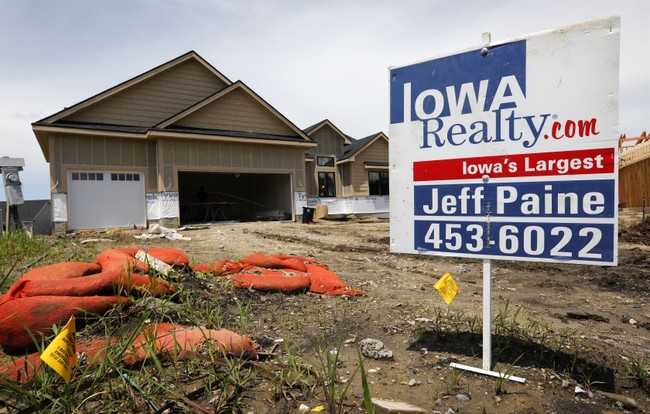
This article argues that the surge of legal and illegal immigration under the Biden era has intensified housing demand, pushed rents and home prices higher in key metro areas, and left affordability a political talking point Democrats now prefer to avoid.
Democrats long framed immigration as filling jobs “Americans won’t do,” and that message helped justify large inflows during the past four years. The practical outcome is a strain on housing in cities and suburbs where supply is already tight, and that strain shows up in rising rents and home costs across multiple markets.
A new analysis from a national immigration organization links sustained immigration levels directly to housing pressures, concluding the housing supply shortage “would not be nearly as severe were it not for consistently high immigration levels stressing America’s housing market to the breaking point.” That line captures the central claim: more people without a matching increase in housing units equals higher prices.
Federal data shows the U.S. admits more than one million legal immigrants with green cards every year, plus many on work visas and the sizeable number crossing the border illegally. Those inflows increase demand for shelter in the same urban and coastal areas that struggle to grow housing quickly, and the mismatch drives both monthly rents and purchase prices upward.
“…[the country’s] housing supply shortage … would not be nearly as severe were it not for consistently high immigration levels stressing America’s housing market to the breaking point.”
Construction after the 2008 recession fell sharply and took years to recover, leaving a long gap between demand and new units. During the recovery decade, the nation still admitted millions of new residents with lawful status, while illegal migration added additional people competing for housing, compounding the shortage.
Those demographics matter because newcomers are disproportionately renters, which puts pressure on multifamily and affordable rental stock in metro areas. Cities such as Miami saw dramatic shifts in rental availability, with many neighborhoods losing affordable units as demand surged.
The report recommends scaling back legal immigration levels to relieve price pressure on housing markets most affected by supply constraints. Critics of that proposal point to short-term rental trends and policy changes, but when policymakers finally reduce inflows the market reacts, and rents can come down where supply can respond.
Immigration, legal and illegal, is one of the most consequential factors affecting housing affordability because it directly generates significant housing demand in supply-constrained areas least able to handle an influx of people.
The United States is the world leader in foreign-born population and in annual legal admissions, with nearly 1.4 million gaining lawful permanent resident status in fiscal year 2024, and almost 600,000 of those as newcomers from abroad. Those numbers are not abstract; they translate into households needing places to live right away.
Construction alone cannot instantly solve the imbalance, and zoning, permitting, and local opposition further slow the flow of new units. While builders respond over time, an immediate influx of people without a matching rise in homes keeps competition tight and prices high for working families.
For working-class households renting in metropolitan areas, the effect has been acute. Data points show a steep drop in zip codes where median multi-family rental units cost less than $2,000, and almost no zip codes remain where single-family rentals stay under that mark. That squeeze pushes long-time residents into higher cost burdens.
Some analysts note that tougher immigration enforcement has coincided with easing rent pressures in certain regions, suggesting immigration policy moves can influence housing dynamics. Where the influx slows, the immediate demand shock eases and renters gain some leverage.
“Renters across much of the U.S. have enjoyed easing prices and months of free rent this year … as President Trump cracks down on international immigration, the influx of new foreign residents is also slowing.”
Political choices matter because they shape who arrives and when, and those choices intersect with local housing markets that cannot instantly increase supply. Democrats who favor high immigration levels must acknowledge the real-world consequence: more demand where housing is tight means higher costs for Americans already struggling to afford shelter.
As Vice President JD Vance warned in August, “You cannot flood the United States of America with 20, 30, 40 million people who have no legal right to be here, have them compete against young American families for homes, and not expect the price to skyrocket. It’s simple supply and demand. You increase the demand, they increase the price.”
Fixing affordability requires a twofold approach: control the pace of population inflows to match local capacity and reform land-use and permitting rules so housing can be built faster where demand is highest. Without addressing both sides of the equation, political rhetoric about affordability will ring hollow to families feeling the pinch.



Add comment