
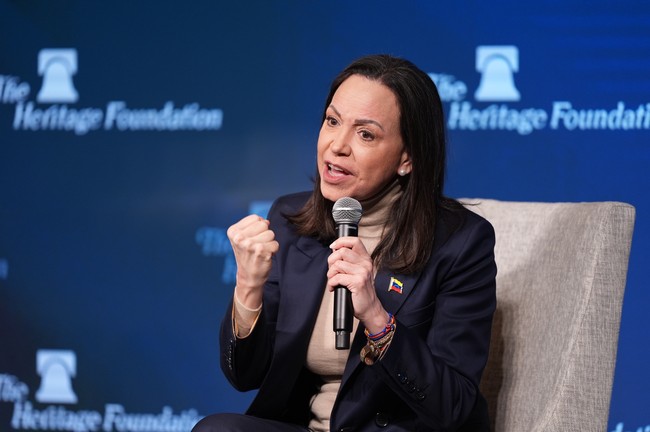
This article examines María Corina Machado’s announced plan to return from exile and run for Venezuela’s presidency in 2026, the stalled path to new elections after Nicolás Maduro’s removal, the role of acting President Delcy Rodríguez, and how international and U.S. responses are shaping the opposition’s prospects.
Machado Drops Bombshell: Back in Venezuela and Running for President in 2026
Venezuela faces a long road to full recovery after years under authoritarian rule, and the political calendar is unsettled. Key institutions remain compromised, and the question of when free, internationally monitored elections will happen is still open. That uncertainty is the backdrop for María Corina Machado’s announcement that she plans to return from exile and run for the presidency in 2026. Her move could shake up the fragile transition and force decisions that have been delayed for too long.
Machado’s return isn’t just personal; it’s strategic. She has become a symbol of the opposition’s resistance to Maduro-era control and the crony network that followed him. Winning over wavering international partners, rebuilding domestic organizing on the ground, and demanding credible guarantees for a fair vote are all hurdles she must clear. If Machado mobilizes her base and secures external observers, the pressure for a legitimate timetable will intensify.
Venezuela’s Nobel Peace Prize laureate María Corina Machado announced Saturday that she plans to run for president again and intends to return to her home country before the end of 2026.
Machado’s remarks, made while meeting in Panama with several fellow Venezuelan opposition leaders, come more than four months after the stunning White House decision to sideline her and instead work with a Venezuelan ruling party loyalist following the U.S. military’s capture of then-President Nicolás Maduro.
Machado has been in exile since December, when she emerged from 11 months in hiding somewhere in Venezuela and traveled to Norway where she was honored with the Nobel Prize.
The Nobel recognition elevated Machado on the world stage and gave the opposition a clearer face to rally behind. Her willingness to tie that recognition to strong political action makes her return headline news rather than symbolic theater. She’s outspoken about rapid timelines for polls if institutions will only provide minimal guarantees and transparency. For many Venezuelans and supporters abroad, that is the difference between hope and more of the same.
International reactions have been mixed and pragmatic, leaning toward stability and energy access as much as democracy. Some foreign actors have shown openness to a transition that preserves oil sector investments, while others still insist on robust electoral guarantees. Inside Venezuela, Delcy Rodríguez is being used as the present pivot, cited as acting president and a convenient reason for delays. That posture complicates the constitutional timeline and lets those in power postpone decisions indefinitely.
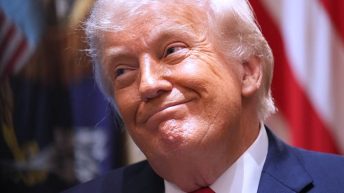
Venezuelan opposition leader María Corina Machado has given her Nobel Peace Prize medal to President Donald Trump during a meeting at the White House, saying it was a recognition of his commitment to her country’s freedom.
That exchange created a splash in U.S. politics and among observers worldwide, polarizing reactions along predictable lines. Supporters saw it as an alliance of convenience to contest authoritarianism, while critics framed it as a provocative political stunt. Either way, Machado’s actions underscored how international players, especially the United States, remain central to what happens next in Caracas.
President Trump and senior U.S. officials have reacted to the post-Maduro landscape in ways that suggest a careful balancing act. The administration has praised Delcy Rodríguez for opening parts of the oil sector to investment at a sensitive moment for global energy markets. At the same time, the U.S. response has included hedging on pressing for immediate elections, reflecting competing priorities in Washington.
U.S. President Donald Trump and senior administration officials have praised Maduro’s successor, acting President Delcy Rodríguez, who has thrown open Venezuela’s oil industry to U.S. investment at a time of surging oil prices tied to the war in Iran.
The Trump administration has also dampened talk of elections, which are required by Venezuela’s constitution within 30 days of the president becoming “permanently unavailable.”
The constitution requires elections in tight windows under certain conditions, yet those rules are being contested and effectively ignored in practice. Machado and her allies insist that a genuine electoral process is achievable within months if the basic institutional guarantees are provided. That message aims to force the hand of both domestic actors and foreign powers who prefer a slow transition for stability or commercial reasons.
For Machado, returning home and standing in a national race is a direct test of whether the opposition can convert international momentum into domestic change. If she can catalyze credible election demands and mobilize citizens at scale, the political map could shift quickly. If not, the same interim excuses and power plays will likely extend the status quo for years to come.
Her campaign announcement is as much a provocation as it is a plan: it demands choices from those who have been equivocating. The coming months will reveal whether Venezuela’s institutions can be nudged toward a functioning democracy or whether vested interests will keep delaying the choice that the people deserve.
Add comment