
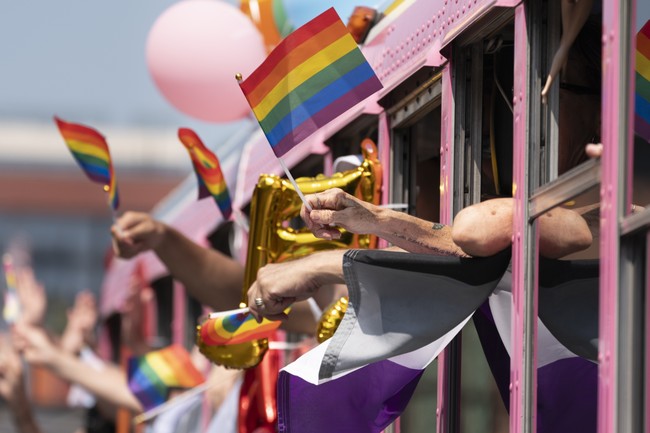
The World Cup draw paired Iran and Egypt into Group G and, by coincidence, scheduled their game in Seattle during Pride Week, creating a high-profile cultural clash that raises questions about hosting, symbolism, and respect for differing national values.
The draw in Washington, D.C., placed teams into groups that determine schedules and matchups for the 2026 tournament. President Trump participated in the draw ceremony at the Kennedy Center alongside leaders from neighboring host nations, a spectacle meant to kick off the biggest event in world soccer. That sequence of assignments produced an unexpected pairing that few predicted would land on a Pride-week date in Seattle.
Iran and Egypt find themselves slated to play at Lumen Field on June 26, 2026, a date the city has designated as the “Pride Match.” Seattle organizers had planned the themed match well before the group draw, so the matchup is the result of timing rather than intent. The coincidence puts teams from predominantly Muslim countries into a match framed by explicit LGBTQIA+ celebration, a setup certain to draw attention from fans, activists, and governments alike.
Seattle’s Pride Match Advisory Committee described the effort as an opportunity to “showcase and celebrate LGBTQIA+ communities in Washington, while ensuring meaningful, lasting impacts for local businesses, arts, and organizations.” That language reflects the city’s decision to make its World Cup window both a sporting event and a civic cultural statement. The city clearly intends to use the global spotlight to amplify local priorities and communities.
A spokesperson for the Seattle Pride Match Advisory Committee stated, “The Pride Match has been scheduled to celebrate and elevate Pride events in Seattle and across the country, and it was planned well in advance. It is a Host City–led expression of Seattle and Washington State’s commitment to creating a welcoming and inclusive environment where everyone belongs: players, fans, residents, and visitors alike. Soccer has a unique power to unite people across borders, cultures and beliefs.” That official line frames the match as inclusive and unifying, not confrontational.
The same spokesperson added, “We are honored to host a Pride Match and to celebrate Pride as part of a global football community. This match reflects our ongoing commitment to respect, dignity, and unity for all.” Those words underline the civic purpose Seattle is promoting, while also acknowledging the political and cultural weight attached to such events. Cities often pick themes that reflect local values, and Seattle is making its stance unmistakable.
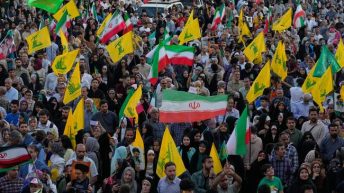
It is easy to see why the matchup will provoke debate. Iran and Egypt both maintain social and legal norms that do not align with public Pride celebrations, and bringing those teams into a visibly rainbow-themed event invites diplomatic sensitivity. The setup raises questions about whether international sporting events should be used as platforms for local cultural messaging that conflicts with the laws or traditions of visiting nations.
Soccer has a history of running into these tensions. The 2022 World Cup in Qatar featured restrictions on visible Pride symbolism, and officials there cracked down on “One Love” armbands and other public displays. That tournament highlighted the ongoing friction between global sporting platforms and host-country policies, showing how even a ballgame can become a battleground for values and free expression.
Seattle’s organizers argue that the match will be welcoming to everyone and that sport can bridge differences. Supporters see the Pride Match as a chance to celebrate inclusion and drive economic and cultural benefits to the region. Critics will say that publicly staging an event that signals a particular stance during a match involving teams from countries with very different legal and cultural views risks turning sport into a cultural provocation.
For fans, the main concern will be what happens on the field: which players perform, how the crowd behaves, and whether the match remains a sporting contest rather than a political spectacle. For diplomats and national federations, the concern will be managing the optics and protecting their players from any actions that could create incidents or misunderstandings. The coming months will show how teams, organizers, and fans navigate that mix.


Add comment