
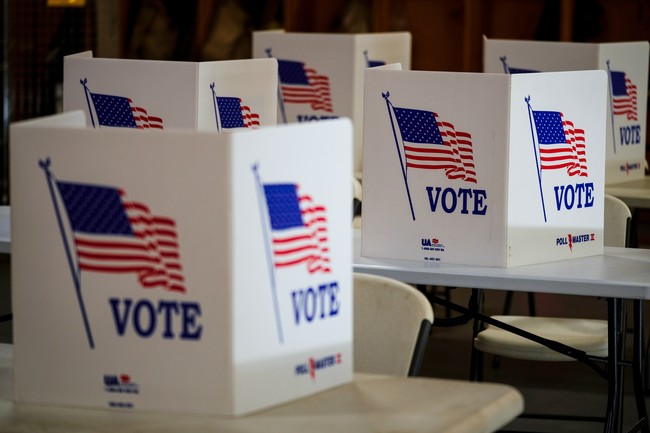
Today’s post tracks Election Day action in Indiana and Ohio, laying out the races that matter, the political stakes for Republicans, where attention is focused on redistricting fights, and how results will shape control of Congress and the 2026 landscape.
It’s Election Day in Indiana and Ohio, and attention is squarely on a handful of state and congressional contests that could ripple beyond the Midwest. Voters in several Indiana districts are deciding between candidates who defended fair maps and those who backed plans that would have weakened Republican advantages. Those intra-party tensions have made this year’s primaries more consequential than many expected, especially for conservatives focused on preserving seats for the fall.
In Ohio, the gubernatorial primary is drawing unusual national interest, with high-profile figures traveling back to vote and campaign in the state. Vice President JD Vance returned to his home state to cast his ballot, a move that signals how closely this contest is being watched by the national party. Ohio’s outcome will be read as a test of grassroots enthusiasm and the capacity of Republican message discipline at a time when turnout and enthusiasm gaps can decide close races.
Indiana’s congressional map fight has put a spotlight on incumbents who opposed redistricting efforts that would have held the line for conservative districts. Those internal disagreements left some voters frustrated and created openings for challengers who promise firmer support for conservative principles. Where voters choose candidates who stood against the party’s leadership or who cooperated with moderate map changes, Republicans risk weakening their bench heading into the midterms.
Polls in Indiana have closed and Ohio’s polls are closing soon, so the window for movement on the ground is tight. Watching precinct-level returns will matter more than statewide totals in several contests where margins are expected to be narrow. For Republican watchers, the primary question is simple: did candidates who defended conservative priorities hold their ground, or did internal fractures cost the party opportunities to consolidate before November?
Local dynamics in both states also reflect broader national concerns about governance and messaging. Candidates who can translate national themes—border security, economic freedom, and respect for democratic institutions—into clear local priorities are performing better where voters are paying attention. Conversely, those who engage in internecine fights over maps and party procedure risk giving Democrats room to define the conversation ahead of the general election.
Decision Desk HQ will provide live results that clarify these outcomes and show whether Republican voters rewarded principled stands or punished perceived betrayals on redistricting. The early returns in a few key districts will set the tone for post-primary reckonings within state GOP organizations. Party leaders will be watching closely to decide whether to double down on support for incumbents or to back fresh challengers who promise to align more closely with conservative priorities.
Beyond the mechanics of wins and losses, there’s a strategic angle that can’t be ignored: these primaries are a preview of the discipline and unity the party will bring into the 2026 midterms. If Republicans emerge with candidates who can energize the base while also appealing to swing voters, the party’s path to maintaining control of Congress looks more secure. If internal divisions persist, however, those vulnerabilities can be exploited in closely contested general election districts.
Voters in both states are weighing character, competence, and alignment with national policy goals, and that mix will determine which campaigns move forward. Local endorsements, ground game strength, and turnout operations remain decisive factors in close contests, especially in midwestern precincts where margins can swing quickly. Watch for whether candidates invested in voter contact and clear messaging outperform better-funded opponents who lacked grassroots activation.
Campaign narratives from both states are also feeding into national talking points that will shape fundraising and volunteer efforts in coming months. A strong showing for conservative, America First-aligned candidates would energize donors and volunteers nationwide and reinforce the argument that the party can win by staying true to its platform. On the other hand, any signs of fragmentation or retreat from core promises will be spotlighted by opponents and could complicate unified campaigning in the fall.
Editor’s Note: The 2026 Midterms will determine the fate of President Trump’s America First agenda. Republicans must maintain control of both chambers of Congress.
In Ohio, there’s the gubernatorial primary. Vice President JD Vance traveled to his home state today (with son Vivek in tow) to cast his votes.
Polls are closed in Indiana, and closing soon in Ohio. We’ll be watching them here, and live results will provide the clearest picture of who advances. Expect close counts in several districts, and pay attention to where turnout surprised campaigns on either side.

Add comment