
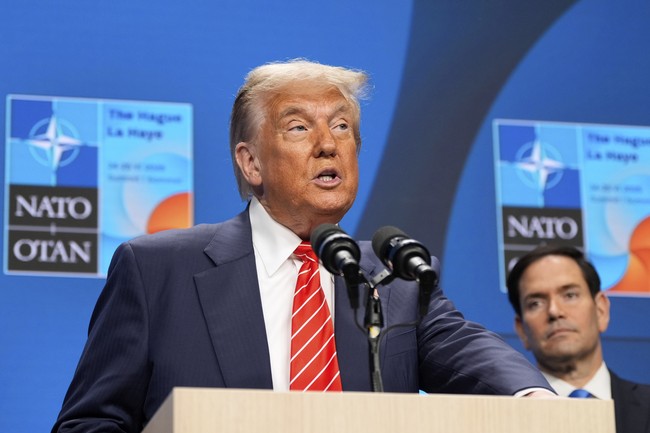
The United States has long stationed troops in Germany as part of NATO, but recent orders to pull 5,000 soldiers have sparked a clear debate: is it time for Europe to shoulder more of its own defense? This piece looks at the political and strategic arguments around the withdrawal, the German government’s response, and why a Republican perspective favors pushing allies to take responsibility rather than relying on an open-ended U.S. presence.
For eight decades American forces in Germany symbolized deterrence and reassurance across the continent. With the Cold War long over and the security landscape shifting, the rationale for a large standing U.S. presence in Germany no longer reads the same. The Trump administration’s decision to remove 5,000 troops reflects that shift and forces a necessary conversation about burden sharing within NATO.
Germany’s defense minister responded to the move by urging NATO and European nations to strengthen their own defenses. His message is straightforward: if the transatlantic relationship is to remain meaningful, Europe must build up the European pillar inside NATO. That is a reasonable ask and aligns with long-standing Republican calls for allies to meet defense commitments.
Germany’s defense minister sought to downplay the impact of Washington’s decision to withdraw 5,000 troops from the country, casting the move as expected and using it to underline Europe’s need to take greater responsibility for its own security.
“It was anticipated that the U.S. might withdraw troops from Europe, including Germany,” Boris Pistorius said on Saturday, adding that “if we are to remain transatlantic, we must strengthen the European pillar within NATO.”
NATO said it was “working with the U.S. to understand the details” of the Pentagon’s decision to pull the troops. The move by the Trump administration “underscores the need for Europe to invest more in defense,” NATO spokesperson Allison Hart said in a statement.
From a Republican viewpoint, America’s global leadership works best when it is paired with fiscal prudence and clear national interest. Keeping large numbers of troops abroad indefinitely without direct strategic necessity strains resources and reduces leverage at home. The troop reduction in Germany sends a signal: allies must either step up financially and militarily or accept a smaller American footprint.
Critics argue that pulling forces weakens deterrence, but deterrence is not measured only by troop numbers. It is achieved through readiness, advanced capabilities, and clear political will. If European governments increase defense spending and improve interoperability, NATO’s collective posture can become leaner and more capable without relying on a permanent U.S. garrison in every partner nation.
Tensions between Washington and Berlin played a role in the decision to reduce forces. Public sparring between political leaders can accelerate policy shifts, and that appears to have happened here. The result is a practical push for Europeans to confront their defense shortfalls rather than delay reforms while depending on American protection.
Other NATO capitals are watching closely as talk of broader withdrawals circulates. Threatening to remove troops from Spain or Italy was mentioned in recent policy discussions, and that prospect is prompting fresh calculations among allies. Republican strategy favors standing firm: encourage and prod allies to meet their obligations while preserving American options to re-engage when necessary.
Trump had threatened to withdraw some troops from the NATO ally earlier this week after Chancellor Friedrich Merz said the U.S. was being “humiliated” by the Iranian leadership and criticized Washington’s lack of strategy in the war.
Pentagon spokesman Sean Parnell said in a statement that the “decision follows a thorough review of the Department’s force posture in Europe and is in recognition of theater requirements and conditions on the ground.”
There is political utility in nudging allies to spend more on defense, and Republicans have routinely pushed that point. For years Washington pressed NATO partners to meet or exceed the two percent of GDP defense benchmark, and the recent moves reinforce that message. It is reasonable to expect Europe to fund a stronger regional defense posture if it wants less U.S. presence on the ground.
Operational flexibility should remain a priority for U.S. planners even as troop numbers change. Rapid deployment capabilities, enhanced forward basing agreements, and prepositioned equipment can deliver credible defense without a bloated permanent footprint. This approach conserves resources and focuses on capability rather than just counting boots on the ground.
Domestic politics in allied countries will shape how they respond to the pressure to do more. Leaders in Berlin, Madrid, and Rome must balance public opinion, budget constraints, and strategic necessity. The signal from Washington is clear: the era of automatic American security guarantees without commensurate European investment is fading.
Policy debates will continue over the right mix of deterrence, diplomacy, and burden sharing. Republicans favor a posture that compels allies to act responsibly for their own defense while keeping American options open. The troop reductions in Germany are an opening move in that larger strategic negotiation.



Add comment