
This piece looks at a foiled terrorist plot tied to Dearborn, Michigan, the items found in searches, and what the incident suggests about community dynamics, law enforcement response, and political accountability.
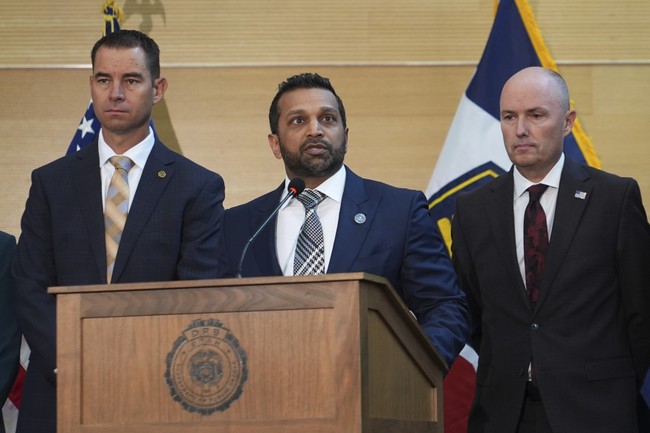
On Monday, Kash Patel announced that the FBI stopped an Islamic terrorist attack planned to take place on Halloween in Dearborn, Michigan. The criminal complaint names Mohmed Ali and Majed Mahmoud as the accused, and it says their plan was codenamed “pumpkin.” These are stark facts: federal agents intervened before lives were lost, and the alleged plot had a clear timetable and preparations.
Search warrants turned up a troubling cache: weapons, ammunition, tactical vests, and GoPro cameras, items that suggest preparation for a violent, recorded assault. The presence of GoPros immediately raises the specter of livestreamed violence, a tactic we’ve seen used by jihadists before. Investigators also say other unnamed co-conspirators were involved, which points to an organized effort rather than isolated actors.
One detail from the complaint escalates concern: an individual described as the “Islamic Ideologue” allegedly has a record of publicly supporting ISIS, and one attacker shared that person’s videos on social media. Worse, when an attacker called the ideologue’s father and said he had a dream to do a “good deed,” the reaction, according to the complaint, was encouragement. That dynamic matters because it suggests social reinforcement rather than intervention.
This is not a provincial issue in a foreign city; it happened in Dearborn, a place that was once a routine American suburb. Long-term immigration and demographic change are normal parts of our national story, but so is the expectation that newcomers adopt and respect American laws and values. We are seeing a clash where some elements refuse assimilation and instead appear to embrace radical ideas that threaten public safety.
Local politics have fed the tensions. A recent incident where the mayor loudly told a resident to “get out,” accusing him of being an “Islamophobe,” came after the resident objected to naming a street for a known Hamas supporter. That confrontation didn’t happen in a vacuum; it reflects a town where civic debate has become polarized and where some officials appear unwilling to tolerate dissent about extremist sympathies.
From a law-and-order perspective, this raises two urgent questions: were warning signs missed, and are political leaders doing enough to secure communities? The complaint’s descriptions of coordination, praise for ISIS, and encouragement from figures in the community suggest failures in social accountability. When ideologies that glorify violence find a hospitable local environment, the risk multiplies.
That reality ties directly to policy. Republicans argue that the asylum and naturalization systems have been exploited, and that lax enforcement and feeble integration efforts allow hostile ideas to grow. When naturalized citizens are implicated in plots, it becomes a national security issue that deserves a firm federal response and local cooperation, not performative explanations or accusations that critics are motivated by bigotry.
There’s also a cultural angle. American civic identity relies on shared values and institutions that promote lawfulness and mutual respect. If mosques or community leaders preach hatred or violence, or if public figures cheerlead for foreign terrorist organizations, those are not merely cultural differences; they are direct threats to the safety and cohesion of a city. Officials who excuse or downplay those messages are making the problem worse.
Community policing and intelligence work can stop attacks, as the FBI’s intervention here shows, but prevention means rooting out the toxic ideas that make recruitment possible. That takes tough-minded local leadership, stricter vetting where appropriate, and a willingness to confront political sensitivities when lives are at stake. Citizens who raise alarms should be heard, not shouted down.
Editor’s Note: The Schumer Shutdown is here. Rather than put the American people first, Chuck Schumer and the radical Democrats forced a government shutdown for healthcare for illegals. They own this.
The stakes go beyond Dearborn. When a city becomes a place where violent ideology can incubate, it becomes a source of risk for the entire country. Law enforcement deserves credit for stopping this plot, but political leaders must answer for policies and rhetoric that let such a scene develop. Failure to confront extremism anywhere makes every community less safe.

Add comment