
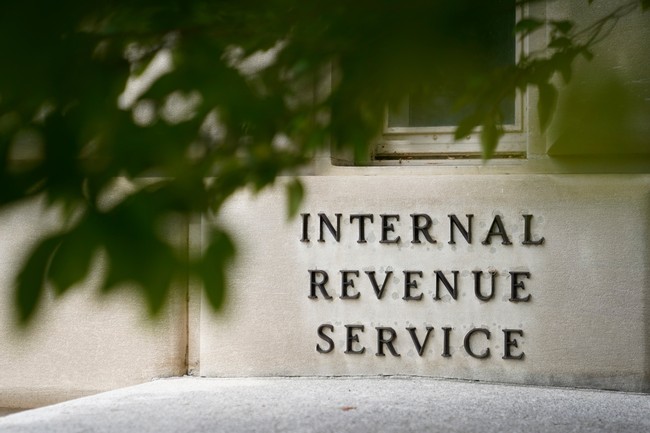
The Justice Department has formally blocked the IRS from auditing President Trump’s prior tax returns and established a large Anti-Weaponization Fund after a criminal leak of his records, closing out claims tied to filings before the May 18 settlement and offering a permanent end to those examinations.
The IRS will not be auditing Donald Trump’s old tax returns. The acting Attorney General signed an order that permanently closes any IRS examination of Trump’s prior returns and shuts down existing claims against Trump, his family, and his businesses for anything filed before the May 18 settlement date. This order is framed as absolute: no expiration and no exceptions. The action follows a high-profile leak and a lawsuit filed earlier in the year.
The lawsuit began after contractor Charles Littlejohn was exposed for stealing confidential tax records and handing them to reporters during Trump’s first term. Littlejohn pleaded guilty and received a prison sentence of five years for accessing and leaking the president’s private financial documents. That breach of taxpayer confidentiality is central to why the DOJ moved to resolve claims and bar further IRS scrutiny. The settlement extinguishes the pending $10 billion claim that had been part of the legal fight.
As part of the resolution, Trump and his sons dropped the $10 billion lawsuit in exchange for the formal settlement terms and an apology from the government. There was no cash payout to the plaintiffs, but the settlement includes a broad bar on audits and a formal recognition that the leak was wrongful. For conservatives and those concerned about government overreach, this is presented as a necessary step to hold federal agencies accountable. The case highlights persistent concerns about weaponization of government tools against political opponents.
“The machinery of government should never be weaponized against any American, and it is this department’s intention to make right the wrongs that were previously done while ensuring this never happens again.”
The DOJ also announced a $1.776 billion Anti-Weaponization Fund intended to compensate Americans who believe they were politically targeted or unfairly investigated by prior administrations. Officials described the fund as open to victims of politically motivated probes regardless of which administration conducted them. Critics immediately attacked the idea as politically charged, while supporters say it is a corrective mechanism for documented abuses. Associate Attorney General statements emphasized the department’s authority to settle claims brought against the United States.
“I already have the authority to settle any claim that is brought against the United States of America,” he said. “I think that it’s way, way, way too early for us to rush to judgment on whether this was a good or a bad idea.”
Democrats pushed back fiercely, accusing the DOJ of self-dealing and arguing the arrangement favors political allies. Some on the Hill warned the fund could be used to reward Jan. 6 defendants and others who feel aggrieved by prosecutions. Those critiques reflect partisan distrust of a settlement negotiated by appointees of the current president. From a Republican perspective, though, the core issue is accountability: a federal contractor leaked sensitive records and the government must answer for that leak.
Former career officials noted the move is unprecedented, arguing that handing an audit waiver to a single taxpayer is highly unusual in IRS history. Observers also highlighted the potential scale of the audits that were avoided, with one former commissioner estimating a prolonged examination of Trump’s tax liability could have amounted to tens of millions of dollars. Closing those inquiries without a drawn-out fight is significant and will be viewed differently across the political spectrum. Still, supporters contend the step prevents abuse and restores taxpayer privacy protections.
The media fallout underscores how standards apply unevenly when federal employees leak or misuse data. The leak produced damaging coverage of Trump’s finances while he was a candidate and private citizen, yet no effective internal safeguard stopped the dissemination then. Today’s settlement, prison sentence for the leaker, and the sizable fund seek to address that failure. For Republicans, this is proof that claims of weaponization had merit and that corrective action was overdue.
The controversy is not closing any broader debate about the role of federal agencies in partisan fights, but it does mark a concrete legal outcome for those particular returns. A permanent order barring the IRS from auditing the prior returns named in the settlement is the most decisive element of the resolution. The actions taken signal to both taxpayers and agency personnel that improper disclosure and politically motivated investigations can carry consequences. The policy and political arguments will continue, but the settlement has already changed the immediate legal landscape around those tax years.


Add comment