
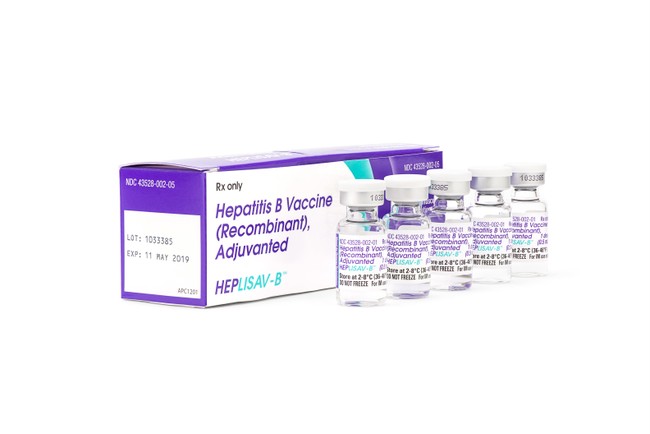
The CDC’s Advisory Committee on Immunization Practices voted 8-3 to end the long-standing policy of routinely vaccinating newborns against hepatitis B, a move that spotlights debates about medical autonomy, public health priorities, and the influence of pharma on policy. This article examines the decision, the dissent, the data on maternal prevalence, the ethical and financial arguments raised, and what may happen next now that the recommendation goes to the HHS secretary. It preserves the key facts, quoted testimony, and the embedded media token in its original place.
The committee’s vote halts a practice established in 1991 that had required infants to receive three hepatitis B doses: one at birth, a second at 1 to 3 months, and a third between 6 and 15 months of age. Hepatitis B can be a serious infection that causes liver damage, and it can be transmitted from mother to child at delivery. The historical policy aimed to prevent perinatal transmission, but the new majority argues the risk profile and testing practices make universal newborn administration unnecessary.
Testing of pregnant women for hepatitis B is routine at admission for delivery when indicated, and the prevalence among pregnant women in the U.S. has been reported at roughly 0.7% to 0.9%. That converts to about 17,000 babies born per year at risk as of recent estimates, within an annual birth cohort near 3.7 million. The committee majority emphasizes targeted vaccination for infants of infected mothers and other high-risk situations rather than vaccinating every newborn by default.
Hepatitis B testing should be done at the time of admission to the hospital for delivery for women who:
- Were not tested earlier in pregnancy
- Participated in injection drug use
- Had more than one sex partner in the previous six months
- Had a hepatitis B-positive sex partner
- Had an evaluation or treatment for a sexually transmitted diseases
- Have clinical hepatitis (symptoms or blood results that indicate liver damage)
Not everyone on the advisory panel agreed. The three dissenters framed their opposition in terms of child safety and medical caution, arguing the change could do harm. “Do no harm is a moral imperative. We are doing harm by changing this wording.” pronounced Dr. Cody Meissner, a professor of pediatrics at Dartmouth’s Geisel School of Medicine and the only current member who has served on the committee in previous years. His view reflects a conservative instinct to prioritize precaution when it comes to pediatric interventions.
The vote surfaced at least four driving considerations, in the view expressed by critics of the old policy. First, the new ACIP showed concern about the sheer number of mandated childhood vaccines and the cumulative burden on developing immune systems. By 18 months some children receive dozens of doses if seasonal influenza or COVID shots are included, and skeptics argue that aggregate exposure deserves reassessment, not automatic expansion.
Second, some members who supported universal pediatric programs want to push toward disease elimination by vaccinating broadly, an approach used with vaccines like HPV. That eradication mindset treats universal childhood coverage as the surest path to removing a disease, but opponents say eradication efforts should be proportionate to actual transmission risk and targeted where needed. Third, the panel debate resurrected an old tension from the COVID era over whether medical authorities can override individual autonomy in the name of public health.
Fourth and perhaps most politically charged was money. Vaccine procurement, administration, and the systems built around universal schedules involve substantial funding streams. Estimates of per-dose cost vary, and a three-dose infant series adds up at scale. Critics argued that mandatory universal dosing creates a market incentive to preserve high-volume distribution rather than strictly matching supply to need.
Concrete arithmetic featured in the discussion: if roughly 17,000 infants are at genuine risk annually, targeted vaccination would concentrate resources where they’re most effective. Universal newborn dosing, by contrast, obligates millions of low-risk infants to receive three doses, multiplying program costs and raising questions about resource allocation and informed parental consent. For many on the conservative side, fiscal prudence and parental rights go hand in hand.
The meeting also saw heated rhetoric about the broader culture of medicine and policy. Some dissenters accused the majority of abandoning precaution; some majority supporters accused opponents of reflexive allegiance to the old, pharma-aligned system. That divide is consistent with a Republican critique that regulatory capture and commercial incentives sometimes shape health policy more than clear epidemiology or respect for personal choice.
With the ACIP recommendation now moving to the desk of the Health and Human Services secretary, the dispute is not settled. The debate will continue in public and policy forums, and the decision will have implications for hospital procedures, pediatric practice, and vaccination programs nationwide. Meanwhile, the embedded materials and comments from the meeting remain part of the public record for anyone tracking how this shift unfolded.



Start now generating extra home based cash by doing very easy and simple job from home. Last month i have earned $19753 from this job in my part time. This job is just awesome and its earning are greater than 9 to 5 office job. .
Here is I started_______ EarnApp1.Com