
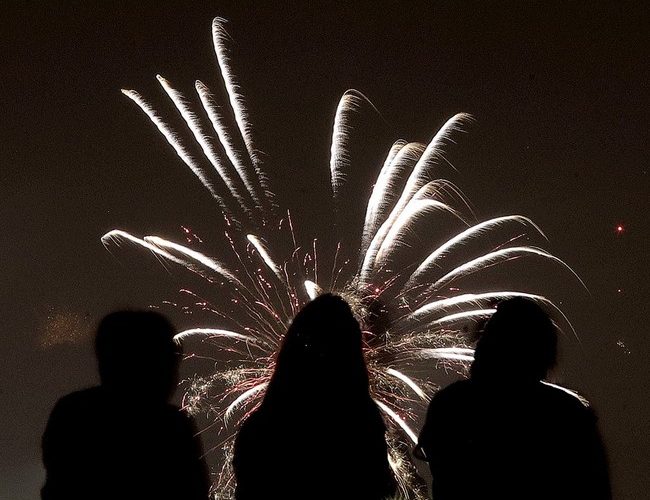
Buffalo’s recent actions around July 4th have set off a loud debate: city leaders canceled a downtown fireworks display for America’s 250th birthday while the Somali flag was raised at City Hall days earlier, sparking anger, vandalism, and threats. This piece looks at the timeline, the local context, and why many residents see the sequence as tone-deaf and disrespectful to a national celebration. It explains the small size of the Somali Bantu population in Buffalo, the city’s public statements, resulting backlash, and why this episode matters politically and culturally. The events expose a broader tension about priorities in municipal governance during patriotic milestones.
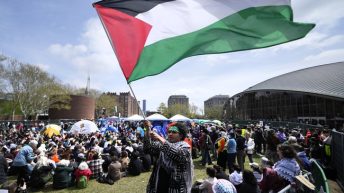
The controversy began when a refugee-centered nonprofit raised the Somali flag at Niagara Square on July 1, an act that has occurred annually for four years. The Somali flag-raising ceremony, aimed at recognizing Somali independence day, involved local officials and community supporters, which some residents viewed as civic outreach. For many in Buffalo, the annual gesture was modest and limited in scope given the city’s population of roughly 280,000. Still, the optics changed dramatically when the city announced it would not host a July 4th fireworks display downtown.
https://x.com/RyanAFournier/status/1996919151961821227
Officials explained the cancellation by saying “an appropriate site could not be identified that would provide a safe and widely accessible viewing experience for residents. As a result, the City will not be hosting a downtown fireworks display this year.” That explanation struck many as weak because Buffalo has historically staged municipal fireworks at multiple public locations. Residents recalled past shows at Niagara Square, Delaware Park, Lasalle Park, and Riverside Park, and they questioned why none of those spots would work this year. The contrast between honoring a foreign independence day and cancelling a major American celebration did not sit well with many citizens.
The city’s sequence of announcements looked particularly bad against earlier comments from Mayor Sean Ryan, who had reportedly signaled a return of downtown fireworks. As he put it, “for the first time in a generation the city of Buffalo will be bringing fireworks back to downtown Buffalo,” adding, “events like these are important.” Those words raised public expectations, and the sudden reversal left a lot of people feeling misled. When municipal leaders promise to restore a beloved civic tradition and then withdraw, frustration grows fast.
Part of the anger is practical: July 4th fireworks draw families, local businesses, and visitors, and they serve as a focal point for civic pride. Canceling the downtown display deprived many residents of an accessible public celebration for America’s 250th. People interpreted the decision as a sign that city leadership values signaling to niche audiences over sustaining shared American rituals. That interpretation drove the tone of social media criticism and local commentary.
The Somali community in Buffalo is small by most measures. A 2024 statement noted that “The Somali Bantu refugees, more than 600 of which now reside in Buffalo, arrived in the city in several waves, the first of which took place in the summer of 2003.” That sentence has been cited by those defending the flag raising as a recognition of a refugee community’s contributions. At the same time, opponents argued that official civic resources and symbolic gestures should not replace major national festivities, especially during the semiquincentennial.
Anger over the fireworks cancellation and the flag-raising escalated overnight when the flagpole at City Hall was damaged and the Somali flag was stolen. While vandalism and theft are criminal and unacceptable, the incident revealed how polarized local feelings had become. Authorities also reported an alleged online threat to City Hall that is being investigated, and police took the matter seriously. Public safety concerns now surround what began as a dispute over civic priorities.
Mayor Ryan and law enforcement described the theft and damage in factual terms and noted that an online threat came from someone outside the city who has been identified. Officials warned against threats and violence while also trying to explain the fireworks decision. Those dual responsibilities underline the difficulty of governing in a moment when symbolic acts trigger public outrage and law enforcement must respond to criminal behavior.
From a Republican viewpoint, the episode looks like a failure of basic civic judgment: cancel a major patriotic event tied to the nation’s 250th birthday while allowing municipal acknowledgment of a foreign independence day to proceed at City Hall. That read of events is rooted in the belief that public officials should prioritize national celebrations that unite the broad community. When cities give the appearance of putting foreign observances on a par with core American holidays, it fuels resentment among residents who expect civic leaders to celebrate the nation first.
Still, the situation also highlights the balancing act cities face in recognizing diverse communities while serving the broader public. Municipal leaders must weigh outreach and inclusion against tradition and the expectations of longtime residents. Poor timing and unclear communication made what might have been a manageable situation into a political and public-safety headache for Buffalo’s leaders.
What remains clear is that trust between citizens and city officials was damaged by the sequence of events: a promise of fireworks, a public cancelation, and then a visible ceremony honoring another country’s independence at a symbolically central civic site. Until leaders restore predictable civic rituals and offer transparent reasons for their choices, similar flashpoints are likely to recur in communities where patriotism and cultural recognition collide.


Add comment