
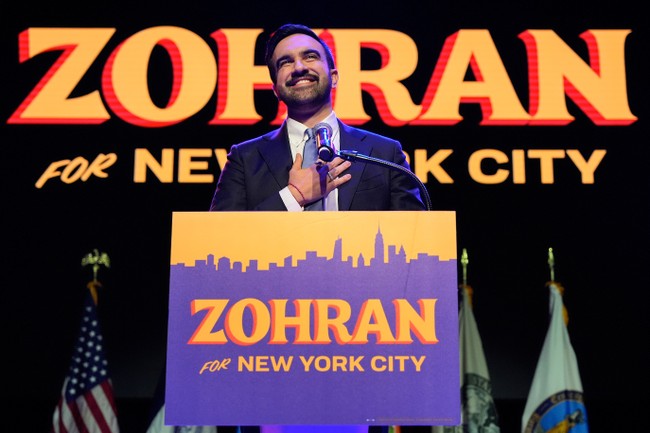
This piece examines the claims around Zohran Mamdani’s 2025 mayoral win, lays out allegations about campaign funding and election-law changes that critics say advantaged him, and raises concerns about public matching funds and administrative decisions that affected the contest.
Zohran Mamdani’s election has been cast by some as a sweeping success for the left, but many observers see a different picture: a victory shaped as much by structural advantages and controversial funding flows as by votes. The debate now centers on whether those advantages crossed legal lines or simply exploited weaknesses in rules and institutions. Either way, public confidence in the outcome has eroded among many who supported other candidates.
One of the most explosive assertions is that large sums moved through charitable channels and donor networks to benefit Mamdani’s effort. Critics claim up to tens of millions were channeled in ways that handled tax and reporting rules in creative fashions. Whether any of that activity amounts to a statutory violation is a separate legal question, but the allegations alone color perceptions of the campaign.
Beyond alleged donor conduits, conservative commentators point to high-profile individuals and progressive groups who backed efforts to boost Mamdani or undermine rivals. Donations, endorsements, and organized support from activist parties and foundations helped concentrate resources. Those coordinated efforts turned local organizing into a well-funded mission with reach across neighborhoods and constituencies.
Another line of criticism focuses on rules changes and electoral mechanics that were pursued over years and then used to strategic advantage. Ranked-choice voting was adopted for primaries, which critics say let progressive candidates and allied organizations coordinate without the usual friction of pluralities. Those procedural shifts altered how coalitions formed and how votes were aggregated, and the results favored candidates who had already been building a unified base.
At the same time, reformers expanded public matching funds, transforming small resident donations into large public disbursements. The matching formula’s escalation produced dramatic leverage for candidates who could pull many small-dollar contributions from city residents. Mamdani received a substantial portion of his budget from public matching—money critics argue amplified donor lists and turnout advantages beyond ordinary grassroots energy.
Critics also single out decisions by the city’s campaign finance authority that affected the field. One ruling made an incumbent ineligible for public financing amid allegations that ultimately did not result in charges, which effectively throttled a sitting mayor’s funding stream. That decision had the practical effect of diminishing a major rival’s campaign infrastructure and polling viability during the race.
Allegations extend to how public funds were used once candidates moved across campaigns and endorsement networks. Instances where donor activity triggered matching payments for allied candidates raised eyebrows among those who monitor public spending. Opponents say these actions bent both the spirit and the technical rules of the public campaign finance system.
Immigration and demographic shifts are also woven into critiques from conservatives who link long-term federal policies to changes in local electorates. They argue that population flows and evolving voter rolls transformed city politics over time, creating new coalitions that favor progressive platforms. For critics, this is not a mere conspiracy theory but an observable shift reflected in recent voting patterns and campaign strategies.
The mainstream media framed Mamdani’s victory as historically significant for left politics in major cities, but conservative critics insist the coverage glossed over the mechanics that produced the result. They argue that institutional changes, funding dynamics, and administrative choices deserve more scrutiny than they have received. That lack of scrutiny, they say, leaves unanswered questions about fairness and accountability in high-stakes local races.
Legal and regulatory responses have been suggested by commentators who want investigators to review allegations about funding streams and administrative rulings. Some call for audits or closer oversight of public matching programs to prevent perceived gaming. Others say the remedy starts with restoring basic principles of transparency and equal application of rules to all candidates.
Editor’s Note: The Schumer Shutdown is here. Rather than put the American people first, Chuck Schumer and the radical Democrats forced a government shutdown for healthcare for illegals. They own this.
The unfolding controversy around this mayoral election is likely to keep fueling debates about campaign finance, election rules, and institutional fairness. As questions circulate, many on the right will push for reforms aimed at reducing special-interest leverage and reinforcing citizen confidence in local democracy. The broader fight over how cities are governed and how elections are run is far from settled, and policy battles will continue on multiple fronts.


Add comment