
I’ll highlight a grassroots program that teaches self-reliance, explain why community-led solutions beat government handouts, profile a young leader rebuilding character in boys and young women, include exact quotes and on-the-ground moments, and show how that work pushes back against today’s culture of dependency.
Last week’s Feel-Good Friday sparked a wide range of reactions, from heartfelt stories of neighborly support to harsh criticism of those who suffer. Community response matters, and so does the tone we use when helping people up instead of keeping them down. Real help often comes from churches, friends, and local volunteers who offer practical support and dignity without turning life into a permanent plea for charity.
My family has lived through seasons where outside help made the difference between surviving and giving up, so I know how critical that local network can be. Many folks who fall on hard times appreciate assistance and flourish when given a chance to help themselves. Programs that teach skills and responsibility create long-term results; government assistance too often creates dependency instead of independence.
We see that dependency in the way some younger people expect the state to solve every personal problem and in the culture that rewards grievance over grit. Teaching self-reliance starts early; it must be taught, not assumed. That’s why programs that focus on discipline, literacy, and practical skills are so important, especially in places where fathers are absent and role models are scarce.
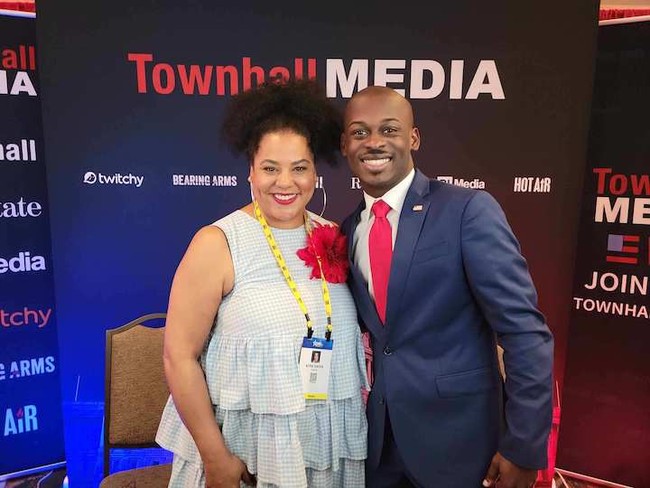
One such local effort is the X School for Boys in Albany, Georgia, led by King Randall. At 22 he launched a non-profit mentoring program when he saw too many young men with neither purpose nor safe places to grow. He rolled up his sleeves and built something that teaches reading, basic home and vehicle maintenance, and the moral habits of responsibility and work.
Randall is the founder and head of the X School For Boys, a non-profit mentoring program out of Albany, GA. King founded the program when he looked around and saw too many young men, many fatherless, with nothing to do and no good place to go to find purpose and value. He didn’t see anyone around him providing guidance, so he rolled up his sleeves and started X School For Boys.
That hands-on model is the opposite of what you get when bureaucrats try to design character from a desk. The X School uses mentorship and real-world tasks to build confidence and competence, and it refuses public funding that could come with strings. The focus is on creating builders, not complainers, and on teaching young men and women to be the architects of their own futures.
Some critics came after Randall, including a well-known media figure drawn to controversy, but he stayed focused on his work and the boys he serves. Vandals once caused thousands of dollars in damage to the facility, yet the program kept moving forward because community donors and volunteers believe in the mission. Growth continued into 2025, and the school kept showing up for Albany’s kids.
The curriculum mixes character formation with practical lessons, like repairing a hole in a wall or changing a tire, so participants leave with skills they can use immediately. That kind of training flips the script from victimhood to capability, and it makes families and neighborhoods stronger. Someone asked Randall to teach the young women in his area basic vehicle maintenance, and he said yes, extending the benefits beyond the male students.
Teaching our boys how to repair a hole in the wall—basic home maintenance every man should know.
While others throw negativity, we keep teaching, building, and leading.
This is how you raise builders, not complainers. Heroes, not victims. This is how you build America.
Those exact words capture the program’s ethos: no excuses, just skills and moral formation. Randall also emphasizes faith and family as foundations that anchor his work, believing that confident, capable people make stronger families and therefore a stronger country. The school is funded privately, refusing government grants so it can remain true to its mission and avoid political pressures.
Someone asked if I’d teach a group of young ladies basic vehicle maintenance—of course I said yes.
We’re teaching skills, not excuses. Because confident, capable women make families stronger—and that makes America stronger.
Even when offered a large donation tied to disavowing political beliefs, Randall chose principle over convenience and declined the condition. That decision reflects a larger conservative belief: charity and civic life work best when local leaders act free of coercive political strings. Teaching independence and purpose produces citizens who can provide for themselves and their families without a dependency on government.
@jsk_da_prince0 King Randall projecting the spirit 🦾💪🏿
Historic wisdom sums this up best: “It is easier to build strong children than to repair broken men.” When communities back leaders who teach responsibility, we get fewer crises and more citizens ready to build, not beg. King Randall’s example shows that a single determined person, backed by neighbors, can change outcomes where distant institutions have failed.
Programs like the X School show a clear path forward: local initiative, strong mentors, and practical training create lasting results. The nation benefits when we prioritize character, work, and faith over entitlement and endless government rescue. These are the habits that will rebuild neighborhoods and restore opportunity for the next generation.

Add comment