
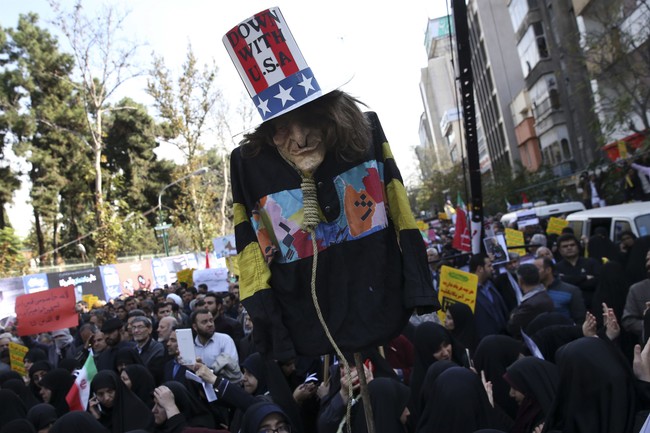
President Donald Trump is defending a still-unfinished Iran agreement against critics who, he says, are judging without facts; this article lays out the key players, the president’s direct rebuttals, the memory of the 2015 deal, and the immediate stakes for his administration as negotiations press forward.
Talk about a political lightning rod: negotiations with Iran have become front-page politics again, and the reaction split along predictable lines. Conservatives and fighters for a tougher posture argue a bad deal risks empowering Tehran, while others rush to label any compromise as weakness before a single term sheet is public. The president pushed back hard, saying his team won’t repeat past mistakes and that many critics don’t even know the content of the agreement.
Former Secretary of State Mike Pompeo drew particular criticism from the president for comparing the current talks to the 2015 Iran deal. That older agreement is widely remembered on the right as an example of failed concessions, especially the controversial release of cash that critics say did nothing to stop Iran’s malign behavior. Senators including Ted Cruz, Lindsey Graham, Thom Tillis, and Roger Wicker have warned publicly that any pact that fails to permanently block a nuclear pathway would be unacceptable.
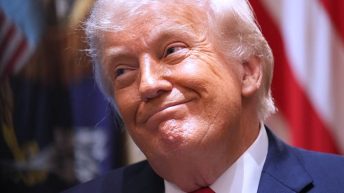
Trump used blunt language on social media to dismiss the chorus of condemnation from opponents, including “just about every Democrat,” insisting they are speaking without seeing the agreement. He contrasted his approach with what he calls the Obama-era mistake and stressed that the deal under discussion will be fundamentally different. The president’s posture is unmistakable: don’t judge until you see the facts, and don’t trust the same playbook that produced a bad result before.
If I make a deal with Iran, it will be a good and proper one, not like the one made by Obama, which gave Iran massive amounts of CASH, and a clear and open path to a Nuclear Weapon.
That quote captures the administration’s message: lessons learned, not repeated. The president insists his team is aiming for a deal that removes the risk of nuclear breakout and does not deliver the kinds of windfalls critics say happened in previous negotiations. Republican skepticism isn’t just partisan chest-thumping; it’s rooted in real concerns about verification, sanctions relief, and how long any restrictions would last.
Trump went further in another direct post, calling dissenters “losers” who speak without knowledge and reasserting his confidence in getting something substantially different from the past. The tone is confrontational by design, part political messaging and part negotiation tactic meant to keep critics from shaping the narrative prematurely. Critics have accused the administration of caving, but the White House counters that the substance will show a tougher line.
Our deal is the exact opposite, but nobody has seen it, or knows what it is. It isn’t even fully negotiated yet. So don’t listen to the losers, who are critical about something they know nothing about. Unlike those before me who should have solved this problem many years ago, I don’t make bad deals! President DJT
Administration officials say much of the framework is in place, though a few sticking points remain and diplomats keep walking a tightrope where secrecy and security matter. Negotiations with Iran are slow and fraught; even routine communications risk interception, and face-to-face talks carry their own dangers. The White House has signaled patience, with aides suggesting the president would give negotiators several days to finish the work if it promises a safe, verifiable outcome.
The political math is straightforward: a deal that stabilizes the region and prevents a nuclear-equipped Iran would be a major win for any president, while a bad agreement could haunt a term. That makes the stakes exceptionally high for Trump’s second term and guarantees relentless scrutiny from opponents and allies alike. Republican commentators say the test will be in the fine print—how verification is enforced, whether sanctions truly snap back, and whether the United States preserves options to act if Iran cheats.
There’s a strategic dimension beyond the headlines: the president’s insistence on toughness aims to reassure allies and domestic supporters that U.S. strength and deterrence remain central. For many conservatives, the preferred course is clear-eyed toughness paired with ironclad verification measures, not grand promises of peace in exchange for vague concessions. The debate will continue until negotiators open the document and the public finally sees the terms professionals have been arguing over behind closed doors.
Add comment