
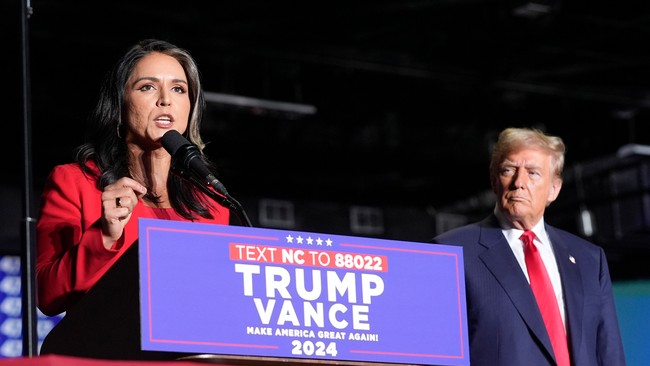
Tulsi Gabbard pushed back hard against Senator Mark Warner after reports claimed a whistleblower complaint was mishandled, insisting the accusations are false and laying out a timeline that, in her view, clears her and points to failures elsewhere in the intelligence oversight process.
Director of National Intelligence Tulsi Gabbard directly challenged Sen. Mark Warner and much of the media for repeating claims that she sat on a highly classified whistleblower complaint. She called those portrayals “a blatant lie” and said the real custodians of the complaint were the intelligence community inspector generals who secured it. The debate turned into a partisan fight over competence, process, and political motives.
The initial reporting suggested the complaint was so sensitive it triggered prolonged disputes about how to share it with Congress, and that implication fueled a lot of headlines. Gabbard and allies pushed back, noting that the complaint did not accuse her of wrongdoing and that key officials had already found some allegations non-credible. At the center of the dispute are two competing narratives: one that frames the matter as mishandling or concealment, and another that frames it as routine handling of sensitive materials by the appropriate offices.
Senator Warner publicly criticized Gabbard, calling into question her competence to hold the DNI role and alleging secrecy around the complaint. Gabbard fired back with explicit denials about control of the document and pointed fingers at the inspector general offices that had responsibility for securing it. She emphasized that she had not even seen the complaint until recently, which complicates claims that she could have intentionally hidden it.
Senator Mark Warner and his friends in the Propaganda Media have repeatedly lied to the American people that I or the ODNI ‘hid’ a whistleblower complaint in a safe for eight months.
This is a blatant lie.
The truth: – I am not now, nor have I ever been, in possession or control of the Whistleblower’s complaint, so I obviously could not have “hidden” it in a safe. Biden-era IC Inspector General Tamara Johnson was in possession of and responsible for securing the complaint for months.
Gabbard insists the complaint was handled in accordance with established safeguards for compartmented intelligence, including secure safes controlled by the inspector general. She said that after the current inspector general hand-delivered the complaint to the Gang of 8, it was returned to secure storage in line with how highly classified information is normally treated. Her point is that process, not personal concealment, explains the timeline.
Republican voices in Congress echoed aspects of her defense, saying the investigators found key allegations non-credible and that repeated media coverage was based heavily on anonymous sourcing and speculation. House Intelligence leadership publicly noted the IGs’ re-review and their consistent conclusions about the complaint’s lack of credibility. That alignment gave Gabbard additional cover to argue this is a politically driven smear rather than a legitimate security concern.
Gabbard also attacked Warner directly for continuing to spread what she calls falsehoods, saying either he knows the facts and is lying for political gain or he is simply unqualified for his leadership role. Those are blunt accusations and they shift the debate from procedural questions to the fitness of elected oversight officials. The exchange underscores a larger clash over how classified complaints should be handled and how political actors can weaponize leaks and headlines.
The story has become a proxy fight over credibility, the role of anonymous sources, and how the intelligence community communicates with Congress. Gabbard framed the media narrative as “propaganda” and accused Warner of using the controversy to undermine national security and discredit her work. For Republicans and critics of the initial reporting, the episode looks like another example of rush-to-judgment coverage that harmed reputations without firm evidence.
Gabbard provided a chronology intended to show that the timeline and custody of the document make the allegations untenable, while opponents point to the seriousness of any mishandling of complaints as warranting scrutiny. The competing claims keep the story alive: one side says procedure was followed, the other says public trust was breached. That tension will likely continue until all relevant watchdogs and congressional committees finish their inquiries and present clear, public findings.
Beyond the players involved, the episode raises questions about how whistleblower complaints that touch on compartmented intelligence are managed and how transparency can be balanced with necessary secrecy. Whether the outcome exonerates Gabbard fully or prompts new reforms, the incident highlights the fragile trust between intelligence institutions, elected overseers, and the media. The clash also reflects the partisan environment where accusations and counteraccusations quickly become political theater.
Republican lawmakers who reviewed the handling say the conclusions of the inspector general reviews matter and that media narratives should not replace official findings. That position drives calls for more careful reporting and clearer standards for how classified complaints are described in public. For now, the dispute centres on who can be believed: the intelligence oversight offices that managed the material, or the senators and outlets amplifying the original story.

Add comment