
President Trump’s executive order renaming Lake Ontario to “Lake America” kicked off a firestorm of memes, outrage, and laughter, and conservatives have been having a field day turning the moment into political theater. This piece walks through the reaction, the funniest posts, and why this kind of trolling matters to the culture war without repeating the same jokes over and over.
Donald Trump moved quickly and with theatrical flair, and the Left predictably lost its cool. The renaming landed squarely as a federal-level action, meaning states and other countries like Canada are under no obligation to follow it, which adds another layer of absurdity to the spectacle. That ambiguity only fuels the meme machine; people love a strong, cheeky move that forces opponents into over-the-top responses.
For many conservatives the choice to embrace the moment wasn’t just about humor, it was a tactic. The president provoked a reaction and opponents obliged by spiraling into outrage, giving his side material to mock and celebrate. Rather than policy wonkery, this was cultural signaling: a reminder that the administration can shape the conversation and watch the media and rivals contort themselves trying to keep up.
Democrats reacted the way partisans often do when facing a political prank — shrill, self-serious, and unable to see the joke. That’s been a common pattern in recent years: when conservatives make light of something, it’s dismissed; when the other side is pushed into theatrics, it becomes a morality play. The Lake America stunt plays on that imbalance, giving conservatives a chance to turn the tables and have fun with it.
Social posts exploded with creativity, and the results were often laugh-out-loud funny. Some creators imagined the president personally handling the renaming with the kind of swagger his base appreciates, while others layered in geopolitical jabs at Canada and playful digs about trade disputes. The jokes were sharp but simple, and the viral nature of social media amplified them fast.
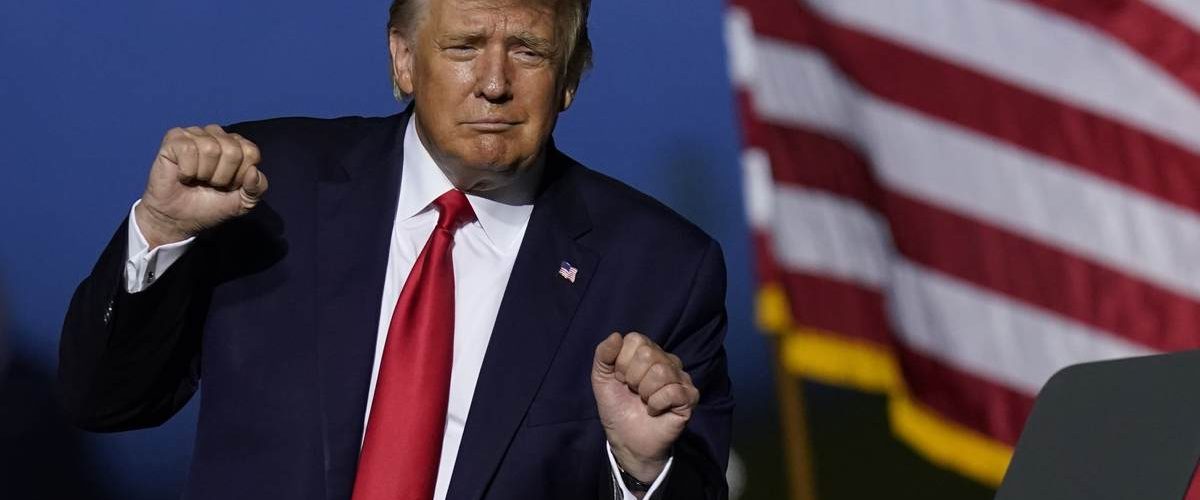
One viral clip leaned into the performative aspect, portraying Trump as both prankster and policy actor in one neat package. The clip ended with a dance, and the mixture of bravado and silliness made it stick with viewers who wanted a break from doom-and-gloom media takes. Moments like that show how political theater can cut through the noise without heavy-handed analysis.
https://x.com/sarrah_bellus/status/2093710931192647930
Another wave of posts targeted the far-left response, spotlighting those who seemed genuinely enraged by a harmless provocation. The contrast between a witty stunt and the flailing reactions of some opponents made for easy material, and conservatives used it to underscore a broader point: the left often mistakes performative outrage for serious argument. That dissonance has political implications beyond the meme itself.
There were exceptions among liberals who saw the irony and even cracked a smile. Not everyone on the other side fell into the predictable outrage trap, and those moments stood out because they broke the script. When a few critics admitted the joke had a clever edge, it punctured the narrative that every conservative move is automatically contemptible.
Comedians and impersonators piled on, using satire to widen the net. Some offered follow-up ideas so ridiculous they were genius, like renaming neighboring countries in the same spirit, which is exactly the kind of hyperbole that makes satire land. Humor in this register doesn’t aim to be policy; it aims to reveal absurdities and provoke reaction.
Classic internet meme energy also returned, with well-worn templates and fresh twists that captured the mood. Some creators reached back to known viral moments to make a point about how the left had reacted to past Trump moments, using historical callbacks to show the pattern of meltdown. That interplay of past and present internet culture made the whole thing feel less like a one-off stunt and more like a recurring tactic in political communication.
Cultural moments like this are about control of the narrative as much as anything. The administration used a small, theatrical move to dominate headlines and social feeds, forcing opponents to respond on his terms. That’s classic political gamesmanship, and it’s effective because it trades policy complexity for an easy-to-grasp spectacle that voters remember.
Performances by ventriloquists of public opinion—public figures, late-night hosts, and online creators—helped the story spread, whether they intended to or not. Some on the left tried to weaponize outrage, others laughed, and a few offered thoughtful pushes back, but the net effect was clear: the moment bolstered a narrative that the administration can steer cultural conversation as much as it steers policy.
Even the president joined in by resharing and amplifying creators, which only deepened engagement and made the stunt feel coordinated rather than accidental. That move kept momentum going and gave supporters fresh content to share, reinforcing the idea that political theater can be strategically useful. For conservatives, it was a reminder that style and messaging often matter as much as substance.
At the end of the day, this episode highlights how humor and provocation can be effective political tools. The Lake America moment wasn’t about maps or treaties so much as it was about defining who gets to set the tone in public debate, and for now, Republicans are enjoying the show. The backlash has been noisy, and the memes keep coming.

Add comment