
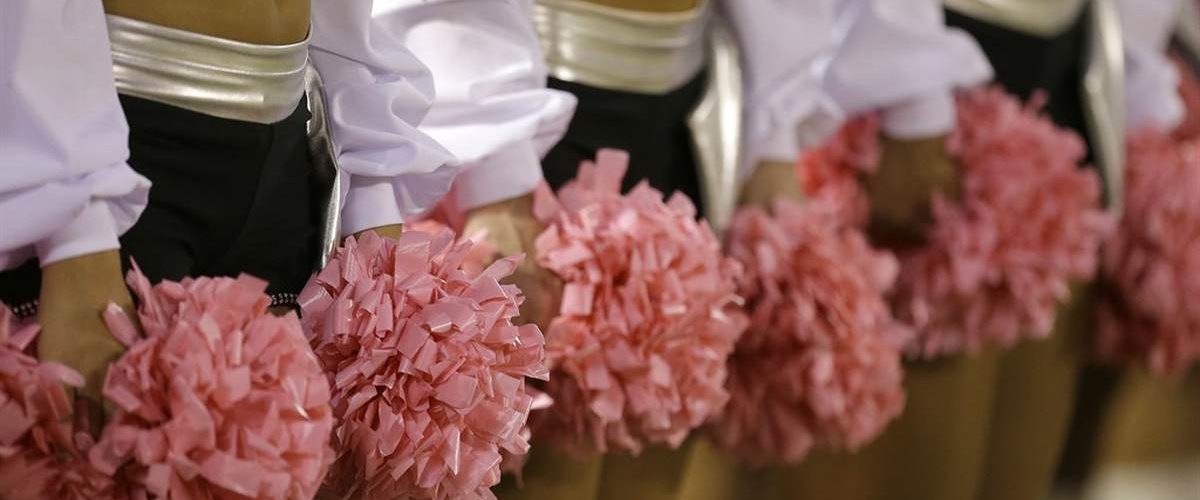
The NFL has quietly expanded its sideline image by featuring male cheerleaders, and the reaction has been loud, amused, and often critical. This piece looks at the routines that caught attention, how fans responded, and why many see the moves as a tone-deaf marketing choice from a league already struggling with its identity. Expect clear examples, social reactions, and a conservative take on what this trend says about sports culture today.
“The Woke Left simply cannot let Americans enjoy their football.” That line captures the frustration many fans feel when entertainment gets folded into social signaling. People come to stadiums and TVs for competition, strategy, and the raw drama of sport, not for performative statements. When the product drifts from those basics, fans notice and push back.
Male cheerleaders aren’t inherently problematic, and some teams have included men for years in support and acrobatic roles. The issue that ignited debate is less about their presence and more about presentation and emphasis. Several routines landed as over-the-top performances that many viewers felt belonged more on a drag stage than alongside a hard-hitting NFL game.
One Philadelphia Eagles routine drew a tidal wave of online attention because of its flamboyant choreography and expressive style. Fans and commentators lit up social feeds, trading jokes and sharp reactions about the contrast between that performance and the traditional cheerleader image. The clip forced a conversation about whether such displays enhance the game-day atmosphere or distract from it.
The Internet is undefeated at poking fun at such hilarious stunts. Viral responses ranged from playful memes to pointed commentary about the league’s priorities, and the clip spawned a cascade of reactions that hardly stopped. Multiple follow-up posts amplified the moment and turned it into another example used by critics to argue the league is chasing cultural trends rather than viewers.
Another example that keeps getting cited is a Vikings cheerleader who first grabbed attention last year and resurfaced in conversations with fresh clips. His routines and presence became a recurring talking point about how teams package entertainment between plays. Fans debated whether teams are trying to broaden appeal or simply courting controversy for free publicity.
That same Vikings performer recently shared makeup tips in a video that some viewers found eyebrow-raising while others saw as harmless guidance. The playful tone of the clip didn’t reduce the heat of the debate, because for many fans it symbolized a shift away from established norms in favor of novelty. In stadiums built on tradition, small changes can feel much larger than they are.
https://x.com/OliLondonTV/status/2094447165951348747
The makeup clip even carried an instructional vibe aimed at women, which some critics highlighted with a dose of sarcasm. Moments like that feed the perception that the league is swapping focus from athletic competition to lifestyle theater. If the goal was to attract new viewers, reaction metrics are mixed at best; if the goal was to make a cultural statement, it certainly succeeded in generating chatter.
As of the latest count, two male cheerleaders are part of the NFL landscape, marking a notable but still small shift in sideline composition. That number is symbolic more than seismic, but symbols matter in public perception, especially when amplified by social media. Fans who prefer football without theatrical detours see this as another example of organizations chasing woke trends.
To be clear, this isn’t a moral panic about men participating in cheer roles. The core complaint is strategic: teams seem to be prioritizing attention-grabbing stunts over game-focused entertainment. When leagues lean on political or cultural signaling, they risk alienating the base that pays high ticket prices and watches on TV for the sport itself. The pushback is as much about marketing missteps as it is about values.
There are practical takeaways here for sports executives who still want broad, engaged audiences. Fans want authenticity on the field and halftime shows that complement, not compete with, the game. If the goal is sustainable growth, putting competition and fan experience first will always be the safer play. Activist-style showcases may win headlines, but they don’t always translate into long-term goodwill.
@vikings The next generation of cheer is here! #rushtok #nfl #cheerleading #sorority #minnesotavikings ♬ original sound – Vikings
Ultimately, teams and leagues should remember why people tune in: competition, teamwork, and the unpredictability of sport. Anything that distracts from that core risks turning casual viewers into critics and committed fans into disengaged subscribers. The lesson is simple — keep the focus on the game, and the crowds will follow.


Add comment