
The Trump administration moved to allow the Department of Homeland Security access to TANF welfare records to prevent illegal immigrants from tapping taxpayer-funded aid, and 24 Democratic attorneys general plus D.C. sued to block that plan; the dispute centers on privacy, federal law, and whether data-sharing is a necessary tool to enforce eligibility rules or an overreach that targets vulnerable families. The brief outlines concerns about Social Security numbers, income data, and family details being exposed to immigration databases, while defenders of the policy point to billions in benefits and tens of thousands of child-only cases where parents are ineligible. This clash pits federal enforcement priorities and budget stewardship against privacy and civil liberties arguments mounted by state attorneys general. The legal fight raises questions about enforcement tools, state-level politics, and the political costs for officials who side with data transparency.
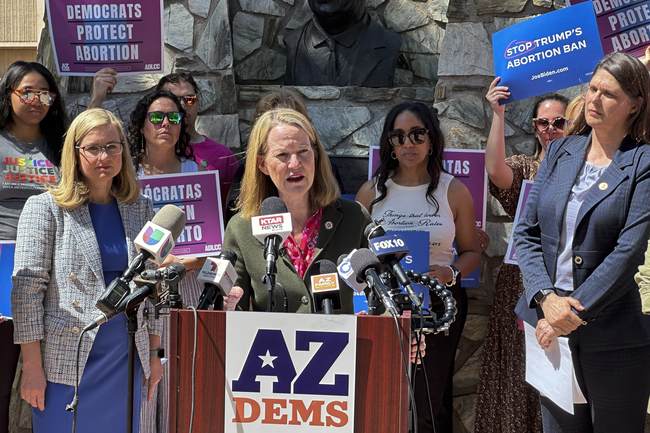
A coalition led by California Attorney General Rob Bonta, New York Attorney General Letitia James, and D.C. Attorney General Brian Schwalb filed suit in federal court in Washington, D.C., claiming the data-sharing policy violates federal law and the Constitution. Arizona Attorney General Kris Mayes joined the complaint, putting a Democrat in a border-state post squarely at odds with the administration’s bid to verify benefit eligibility. The plaintiffs argue that the policy published in June would give DHS access to Social Security numbers, income amounts, marital status, and other personal details for families receiving TANF assistance.
TANF provides about $16.5 billion annually to aid low-income families with children, and federal law already bars undocumented immigrants from receiving TANF benefits directly. Government reports cited in the dispute show more than 85,000 “child-only” TANF households in fiscal year 2024 were headed by parents ineligible due to immigration status, receiving roughly $759 million in cash assistance that year. Advocates for the data checks point to an estimated $18.3 billion paid to such households since 2001 and say cross-checks are a straightforward way to enforce existing eligibility rules and protect taxpayer dollars.
https://x.com/RCMaxw3ll/status/2084406771129721115
Opponents say the plan amounts to an unprecedented sweep of private information and an unnecessary sharing of welfare rolls with immigration authorities. The suit frames the effort as “mass surveillance” and contends it will chill participation in safety-net programs among eligible families who fear exposure. Government accountability officials counter that without the ability to compare welfare recipients to immigration databases, enforcing eligibility rules becomes much harder and leaves programs vulnerable to abuse.
Arizona Senate President Warren Petersen blasted Mayes’ participation, accusing her of siding with liberal allies over taxpayer protections. “Open borders Kris Mayes is once again taking orders from her liberal allies instead of putting taxpayers first,” Petersen said. That quote has become a focal point in state political debates, with opponents arguing the attorney general’s stance undermines border security priorities and fiscal responsibility in a state that struggles with migration-related budget pressures.
Mayes has drawn attention earlier this year for comments about ICE tactics, warning that masked or poorly identified agents could create a “recipe for disaster” under Arizona’s Stand Your Ground law. She later said her remarks were mischaracterized but has continued to press for oversight, launching a portal for Arizonans to report alleged agent misconduct and vowing to pursue prosecutions if federal officers violate state law. Her involvement in this lawsuit therefore reflects a broader posture toward federal immigration enforcement that her critics say clashes with Arizona voters’ concern about secure borders and limited government spending.
This is not the first time Democratic attorneys general have challenged information-sharing between welfare programs and immigration or other federal agencies. Past lawsuits blocked or limited exchanges involving IRS records, Medicaid rolls, and food-aid information, and courts have sometimes permitted narrowed DHS access to noncitizen data while restricting broad collection on U.S. citizens. Those precedents matter here because judges will weigh privacy, statutory limits, and the government’s asserted need to prevent ineligible benefit receipts.
At stake are competing values: protecting vulnerable families who rely on safety-net programs, and ensuring taxpayers are not funding benefits for those explicitly barred by law. The administration argues data verification is a practical tool to preserve program integrity and reduce improper payments, while the states maintain the policy crosses legal lines and risks exposing sensitive personal data. As the litigation proceeds, the political fallout will matter too, especially in border and high-migration states where enforcement and fiscal concerns are major voter issues.
Legal experts expect the case to test the balance between statutory privacy protections and the executive branch’s authority to share information for law-enforcement purposes. Judges will examine whether the policy exceeds statutory limits and whether adequate safeguards exist to prevent misuse of the data. The outcome will set a precedent for how far federal agencies can go when they argue national enforcement priorities justify broader access to state-administered benefit records.

Add comment