
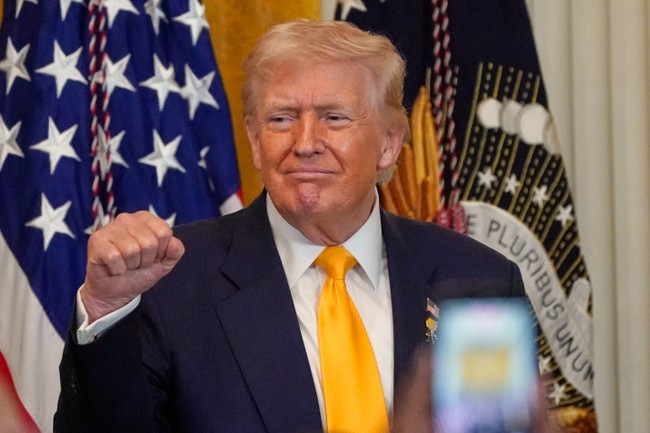
This article explains President Trump’s announcement on a major strike against Iran’s Kharg Island, how it fits into the broader campaign that has degraded Iran’s military capabilities, and the strategic message behind sparing the island’s oil infrastructure while warning Iran about disrupting shipping through the Strait of Hormuz.
The recent campaign against Iran has hit multiple layers of the regime’s military apparatus, from naval assets to air defenses and missile stocks. U.S. and allied strikes have reportedly targeted internal security forces and command nodes, with local intelligence sometimes playing a role. That attrition is changing Iran’s ability to project force and respond to further pressure. These operations set the context for a high-profile strike announced this week.
President Trump called the Kharg Island operation one of the most powerful bombing raids in the region’s history and said every military target there was destroyed. The island is central to Iran’s oil exports and has been described as a crown jewel of their logistics chain. Destroying military sites while leaving oil infrastructure intact creates a distinct strategic lever aimed at constraining Iran without immediately collapsing its export capacity.
“Moments ago, at my direction, the United States Central Command executed one of the most powerful bombing raids in the History of the Middle East, and totally obliterated every MILITARY target in Iran’s crown jewel, Kharg Island,” the president wrote in a Truth Social post.
He added that he had “chosen NOT to wipe out the Oil Infrastructure on the Island.”
“However, should Iran, or anyone else, do anything to interfere with the Free and Safe Passage of Ships through the Strait of Hormuz, I will immediately reconsider this decision,” Trump wrote.
The president elaborated further in a full post, restating that U.S. weaponry and military readiness give the United States overwhelming options. He emphasized that Iran lacks the capacity to prevent U.S. strikes and warned that Tehran will not be allowed to pursue a nuclear weapons capability. The tone is explicit: the U.S. has the means to strike at will, and it will do so to protect maritime passage and regional stability.
Moments ago, at my direction, the United States Central Command executed one of the most powerful bombing raids in the History of the Middle East, and totally obliterated every MILITARY target in Iran’s crown jewel, Kharg Island. Our Weapons are the most powerful and sophisticated that the World has ever known but, for reasons of decency, I have chosen NOT to wipe out the Oil Infrastructure on the Island. However, should Iran, or anyone else, do anything to interfere with the Free and Safe Passage of Ships through the Strait of Hormuz, I will immediately reconsider this decision. During my First Term, and currently, I rebuilt our Military into the Most Lethal, Powerful, and Effective Force, by far, anywhere in the World. Iran has NO ability to defend anything that we want to attack — There is nothing they can do about it! Iran will NEVER have a nuclear weapon, nor will it have the ability to threaten the United States of America, the Middle East or, for that matter, the World! Iran’s Military, and all others involved with this Terrorist Regime, would be wise to lay down their arms, and save what’s left of their country, which isn’t much! Thank you for your attention to this matter. President DONALD J. TRUMP
Sparing oil infrastructure while destroying military targets serves several purposes at once: it preserves a bargaining chip, minimizes collateral economic shock to global markets, and signals a controlled approach to escalation. That gives Washington leverage if Iran attempts to choke maritime routes or retaliate in ways that threaten global commerce. The underlying message is clear—there are painful options that remain unused but can be activated if Iran crosses certain red lines.
Iranian statements about blocking or contesting passage through the Strait of Hormuz have fluctuated, and the regime’s internal cohesion appears uncertain. Conflicting public remarks from various officials raise questions about who is actually making decisions in Tehran and whether any actor there will choose to de-escalate. If rational calculation prevails, Tehran could opt to pull back and pursue diplomatic channels rather than risk further hits to its remaining infrastructure and economy.
The strike on Kharg Island and the accompanying public warning amount to a strategic test: will Iran read the leverage and respond in ways that reduce risk, or will it press tactical advantages that invite further punishment? Either outcome will shape the next phase of pressure on Tehran, and the administration has signaled readiness to follow through on threats to defend maritime freedom. For now, the choice rests with Tehran and its leadership, who must weigh survival against confrontation.


Add comment