
Checklist: Critique of Jerome Powell’s decision to remain on the Federal Reserve Board after his chairmanship ends; Senate approval of Kevin Warsh and the expected confirmation; Scott Bessent’s remarks criticizing Powell’s move as hypocritical and breaking norms; reactions from commentators and a Republican gubernatorial candidate highlighting economic pain linked to Powell’s policies; implications for Fed leadership and monetary policy going forward.
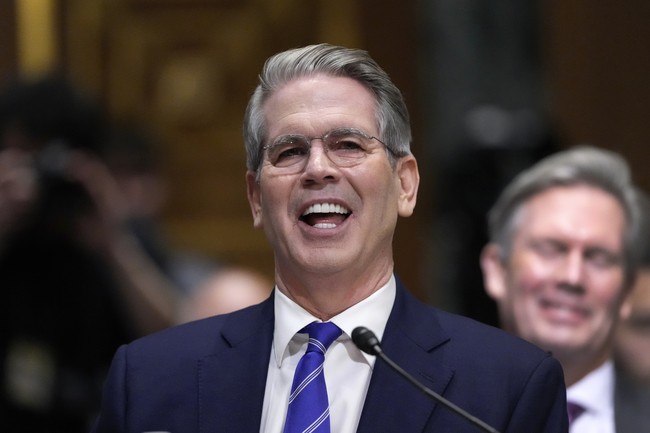
Jerome Powell wrapped up his final speech as Fed chair days before his term ends on May 15, yet he surprised many by announcing he will remain on the Board of Governors afterward. That choice breaks with decades of practice in which outgoing chairs traditionally depart once their successor takes over. The timing stung because Kevin Warsh, President Trump’s nominee to lead the Fed, cleared the Senate Banking Committee and is poised for confirmation, promising a clear transition in leadership on May 15.
Leaving after the handoff has long been part of the Fed’s informal playbook, and Powell’s decision to stay feels like a deliberate departure from that playbook. Treasury Secretary Scott Bessent called the move out for what it is, pointing to the irony of someone who frequently lectures on norms turning his back on them at the finish line. Bessent raised that point bluntly in a television appearance, framing the surprise as more than a procedural quirk but as a challenge to institutional integrity.
I love the way his eyebrow is arched in the first frame of the video in his tweet:
It is unusual for soon-to-be-former Fed Chair Jay Powell to stay on at the @federalreserve. For someone who speaks so often of norms, his unilateral decision to stay flies in the face of tradition.
Kevin Warsh will bring about a new day at the Fed, with accountability, management, and sound policymaking in the lead.
Host Larry Kudlow called the action “ungentlemanly” and asked why Powell felt the need to do it, which set the table for a pointed response from Bessent. Bessent reminded viewers that the last time a departing Fed chair remained on the board, it was at the explicit request of the president. He also made clear that no such request came from President Trump this time, signaling a rift between the outgoing chair’s choices and the administration’s expectations.
I will say, it’s highly unusual wet soon to be former chair Powell, did, and Larry, to be clear, the last time that a Fed chair stayed on the board, it was at the request of the president. One thing, I can promise you, President Trump did not request for Jay Powell to stay.
Bessent framed the move as more than odd; he called it a violation of Federal Reserve norms and argued it undermines claims of being an institutionalist. He linked Powell’s tenure to the severe inflation the country suffered in recent years, noting the economic pain families felt and pointing to the need for accountable leadership at the Fed. His comments were deliberate and aimed squarely at restoring confidence in how monetary policy decisions are made and who gets to make them.
I think it’s highly unusual for someone who says he’s an institutionalist and cares about norms at the Fed. This is a violation of all Federal Reserve norms.
We had the worst inflation, perhaps, in our country’s history, certainly, in 47 or 50 years, under this chairman [true, but let’s not forget former President Joe Biden’s role in that debacle]. I think the good news is, today, Kevin Warsh, cleared committee and he’s going to be confirmed.
He will be the new Fed chair on time, May 15th… and I think it’s going to be a new day at the Fed… And, you know, I think that we will have a great monetary policy. I think we will have a great management in terms of the regulatory and of the facilities.
Critics beyond the administration echoed the frustration. James Fishback, an investor and Republican candidate for Florida governor, spoke with blunt clarity about the human cost he says followed from Powell’s policy choices. Fishback rejected sympathy for Powell, noting his personal wealth and pointing to ordinary Americans struggling with mortgages, credit access, and the ability to start families in a high-rate environment.
Fox News asked me if I “ever feel sorry for Jerome Powell when Trump attacks him?”
Me: “No, I don’t feel sorry for Jerome Powell. He’s worth over $200 million. Who I feel sorry for are Americans who can’t get a mortgage because Powell refuses to lower interest rates. I feel sorry that they can’t start a family because they can’t buy a home. I feel sorry for the single mom who can’t get a credit card because Jerome Powell is trying to undermine the duly elected President of the United States.”
The optics are what sting: an outgoing chair staying put as a new chair prepares to take command looks like a power play, intentional or not. From the Republican viewpoint, leadership means clear transitions, accountability, and policies that prioritize everyday Americans over institutional ego. Warsh’s imminent confirmation signals a different approach, one that supporters say will focus on management, accountability, and restoring sound monetary policy.
Powell may have legal latitude to remain through his governor term, but norms matter for public trust. Critics argue that the Fed’s credibility depends on predictable transitions and on leadership that places institutional rules and public welfare above personal positioning. As the handoff approaches, the debate over precedent, motive, and public impact will shape how Americans view the Fed’s role in both stability and accountability.

Add comment