
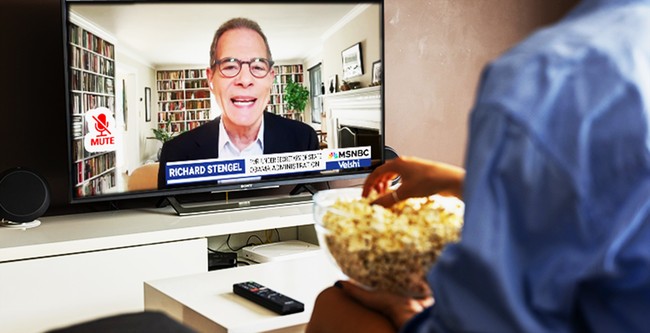
The article examines the fallout from the White House Correspondents’ Association dinner shooting and a surprising reaction from Richard Stengel, arguing that complaints about a planned White House ballroom project being a threat to press freedom are overblown and miss basic facts about how the press operates inside the executive residence.
In the wake of the shooting at the annual White House Correspondents’ Association dinner, the media circus kicked into overdrive with outrage and finger-pointing. Emotions ran high and commentary flooded cable outlets and social feeds, each outlet eager to stake out a moral high ground. That atmosphere set the scene for some especially dramatic takes, including one from Richard Stengel that caught a lot of attention.
Stengel, a veteran editor and one-time Obama administration official, warned that the administration’s push to move forward with a ballroom project after the incident posed a danger to press freedoms. From a Republican viewpoint, that claim looks overstated and illogical, given how the press already operates inside the White House on a daily basis. This isn’t a constitutional crisis; it’s political theater dressed up as constitutional concern.
Look, journalists already work in the White House, often with doors open to the Oval Office and regular access to the grounds. Reporters file stories from within that space, hold briefings, and maintain permanent beats there. Suggesting a one-time renovation or a ballroom project somehow allows the administration to seize control of the First Amendment ignores how integrated the press is with that building right now.
Stengel’s line of argument feels performative: if the act of hosting a formal event could somehow be twisted into a systemic threat, then any administration-hosted gathering would be suspect. That stretches credulity. The more plausible dynamic is that the press is highly protective of its access and narrative control, and claims of being muzzled or imperiled often get deployed to deflect scrutiny.
The reaction of many reporters after the incident—rushing to interviews, swapping hot takes, and circling for optics—shows a media class more interested in the spectacle than in sober analysis. Rarely do these conversations acknowledge the obvious fact that White House correspondents enjoy institutional advantages most journalists do not. Those realities matter when we evaluate complaints about access or alleged intimidation.
Stengel’s comment becomes even harder to take seriously when contrasted with the daily reality of journalism inside the executive mansion. Regular briefings, press credentials, and scheduled access are part of the ecosystem. Using a tragic or alarming event as a reason to halt construction or to claim a fundamental erosion of liberties reads like politics, not like constitutional analysis.
There is also a bit of hypocrisy at play. The same outlets that warn about government overreach often cheerlead for expanded platforms, celebrity hosts, and cultural influence that amplify their reach. The claim that a ballroom project equals a direct assault on the First Amendment overlooks how media power works and how much the press already exercises that power on the premises.
Beyond the mechanics, the tone of Stengel’s post was telling. It read like a warning issued to rally a professional class rather than a measured legal critique. From a conservative angle, it’s worth noting how frequently the press frames its own conveniences as constitutional sacraments when convenient. That instinct fuels an us-versus-them narrative that rarely admits internal flaws.
Put differently: if the worry is truly about protecting speech, then scrutiny should fall evenly on bad actors across the spectrum, not on pragmatic decisions about White House facilities. The public deserves honest debate about safety, ceremony, and transparency—without turning routine administrative choices into sensational claims about freedom itself.
Finally, the best corrective to overheated takes is basic fact-checking and context, and that applies here. The White House is a workplace for many credentialed reporters, not a sealed fortress where speech is arbitrarily controlled. Framing an isolated construction decision as an existential threat to journalism is a stretch intended to provoke, and it should be called out for what it is: a rhetorical escalation, not a constitutional reckoning.

To think that having the WHCA dinner in the White House would be an “attack on freedom of the press” is LUDICIOUS on its face. How would having the dinner in a place which is SECURE for the President and other dignitaries inhibit “freedom of the press”?