
This piece examines the shaky pause in hostilities between the U.S. and Iran, how Tehran’s internal politics and hardliner influence have stalled meaningful progress, the shortcomings of current U.S. objectives, and why the current ceasefire extension looks temporary unless Iran offers a real, verifiable deal.
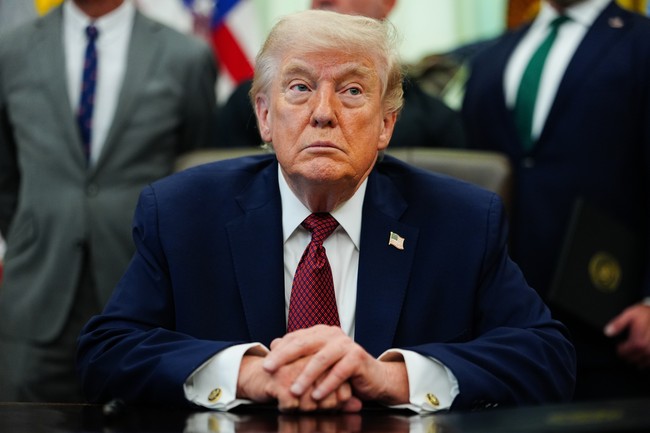
President Trump framed the situation on Truth Social as a pause driven by fractures inside Iran and outside requests to hold off an attack. He said the military should “continue the Blockade and, in all other respects, remain ready and able,” and that the ceasefire would be extended until Iran presents a unified proposal. That public posture is intentionally measured, giving the appearance of patience while keeping military pressure in place.
Based on the fact that the Government of Iran is seriously fractured, not unexpectedly so and, upon the request of Field Marshal Asim Munir, and Prime Minister Shehbaz Sharif, of Pakistan, we have been asked to hold our Attack on the Country of Iran until such time as their leaders and representatives can come up with a unified proposal. I have therefore directed our Military to continue the Blockade and, in all other respects, remain ready and able, and will therefore extend the Ceasefire until such time as their proposal is submitted, and discussions are concluded, one way or the other. President DONALD J. TRUMP
Three days into the extension, Tehran’s statements and actions suggest no real intent to make a deal. The administration’s four stated goals remain unmet: destroy Iran’s ballistic missile capacity, neutralize its navy, sever proxy support, and prevent a nuclear weapon. Without credible concessions from Tehran, the only obvious path to achieving those goals is kinetic action that further degrades Iran’s military infrastructure.
Activity in the Strait of Hormuz shows Iran enforcing passage rules on vessels, using fire and seizures to intimidate commercial shipping. Those tactics don’t require matching the U.S. Navy ship for ship; creating insurance and owner fear is enough to choke commerce. That tactic forces U.S. forces to hunt small craft and flush them from hiding rather than simply contest naval parity at scale.
According to the Pentagon’s Defense Intelligence Agency, Iran still holds thousands of missiles and one-way attack UAVs despite losses from air strikes and heavy expenditure. That residual capability means the regime can continue to threaten U.S. forces and regional partners, complicating any plan to dial back pressure. The DIA testimony makes clear attrition has not ended the threat.
Commercial satellite imagery confirms Iran’s use of many small naval craft, a swarm approach that complicates conventional naval responses and raises the risk to merchant traffic. The regime can leverage that asymmetric approach to slow trade and exact political costs without exposing its larger assets. Finding and neutralizing those bases of operation is necessary to restore safe passage.
Sentinel-2 satellite imagery from today shows a swarm of IRGC Navy fast attack craft returning to their bases north of the Strait of Hormuz after conducting patrols in the area.
These vessels are likely linked to today’s reported incidents involving three ships, including the seizure of the container ships Epaminondas and MSC Francesca.
Nuclear material and enrichment remain non-negotiable to Tehran for now; the so-called moderates did not secure concessions on that front. The first round of diplomacy left U.S. leverage unimproved and Iranian resolve intact. In Washington’s terms, that equals strategic silence while the clock ticks and the military remains concentrated in the region.
Hardliners in Tehran are tightening control and limiting negotiators’ authority, signaling talks without binding commitments. Iranian officials have publicly demanded that the U.S. “admit defeat” before negotiations can proceed, and statements from parliamentary leaders warn that any country assisting attacks on Iranian figures could be targeted. That rhetoric hardens Tehran’s posture and shrinks room for compromise.
Iran’s deputy parliament speaker Hamidreza Haji Babaei said any negotiations with the United States were off the table unless Washington acknowledged defeat.
“Any negotiations are prohibited until the US admits defeat,” he said.
He also warned regional countries against supporting attacks on Iranian officials, saying: “Airports, hotels and even rulers of countries that provide facilities to terrorists must be targeted.”
Senior Iranian leadership, including the supreme leader, opposes extending talks under current conditions, and Tehran appears to be using opaque decision-making to stall. The regime’s public split between negotiators and hardliners may be more performance than reality, a way to buy time while dodging binding concessions. That pattern increases the chance U.S. patience will be tested further.
Inside Iran there are power brokers with violent histories who shape policy and strategy, and some enjoy international indictments for past attacks. Those figures influence a policy that favors brinksmanship over compromise, reducing the credibility of any Iranian offer that could actually meet U.S. demands. The presence of such actors makes a negotiated settlement harder to achieve.
BOTTOM LINE: Hardliners are gaining strength, controlling decision-making — and hardening Iran’s position vis-à-vis the United States.
On the U.S. side, White House officials say no public timetable was set, but concentrated military posture in the CENTCOM area is not sustainable forever. Pulling forces back politically would be costly for the administration, so the current stance blends restraint with credible threat. That balance may be intended to force Tehran’s hand, but it only works if the U.S. is willing to follow through.
President Trump appears aware Tehran is attempting to play for time and wants to project the role of the restrained actor before any escalation. A provocative commentator’s reposting on Truth Social captured a brutal logic: “If there are two factions in Iran, one that wants a deal and one that doesn’t, let’s kill the ones who don’t want a deal.” That blunt sentiment reflects a common republican view that deterrence backed by force is the clearest path to peace.
U.S. carrier strike groups have been repositioned to increase pressure and provide options if diplomacy collapses, and additional assets in the Arabian Sea signal readiness to act. The situation remains fluid: Iran stalls, hardliners consolidate, and the U.S. must decide whether limited patience or decisive action will achieve its objectives.


Add comment