
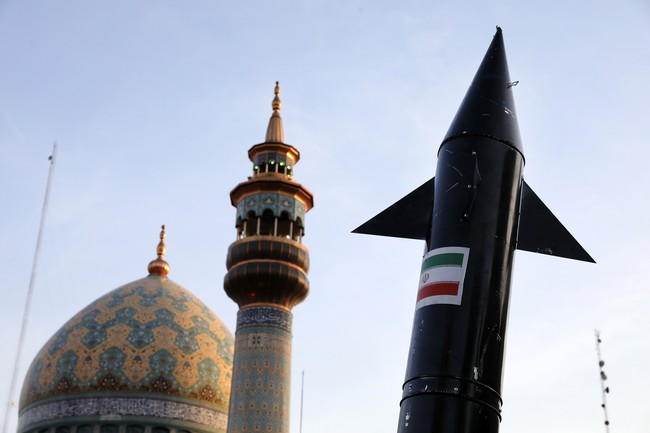
President Trump convened a Camp David meeting as Iranian forces struck targets beyond their borders, including an attack on Kuwait’s Ahmad al-Jaber Air Base and reported incidents near Egypt and shipping lanes, drawing regional partners into discussions about protecting commercial routes and deterring further aggression.
Trump Huddles at Camp David As Iran Attacks Kuwait and Threatens Shipping
Iran has stepped up cross-border strikes that American officials say target U.S. assets and regional partners, pushing tensions toward a broader confrontation. Reports say Iran struck Kuwait’s Ahmad al-Jaber Air Base and claimed damage to military infrastructure, though the Pentagon has not verified major losses. The pattern of attacks has coincided with U.S. airstrikes attributed to strikes on Iranian command centers and missile and drone facilities. That tit-for-tat dynamic has left allies scrambling to protect bases and shipping while the White House consults with senior officials.
President Trump traveled to Camp David in Maryland to host a Cabinet meeting that included Secretary of State Marco Rubio, Secretary of War Pete Hegseth, Interior Secretary Doug Burgum and other senior officials. The gathering is focused on immediate military developments and diplomatic options to deter further Iranian aggression. Officials at the retreat are weighing both kinetic responses and efforts to rally a regional defense posture to safeguard key waterways and bases. That mix of pressure aims to limit Iranian freedom of action without triggering a wider war.
Kuwait reported it detected and destroyed multiple drones in its airspace, saying the interceptions caused material damage from falling shrapnel but no injuries. Iranian statements framed the strikes as retaliation for recent U.S. military actions, arguing they were punishments for American targeting of Iranian facilities. U.S. Central Command confirmed recent strikes on sites in Iran, including military command centers and missile and drone facilities, after Iran launched ballistic missiles at U.S. forces. The result is an evolving and dangerous cycle of attack and counterattack across the Gulf and nearby littoral states.
In a statement, the Kuwaiti military said that it had detected and destroyed multiple drones in its airspace, adding that the interceptions had caused material damage from falling shrapnel but no injuries.
Iran’s military said the attacks came in response to recent U.S. military strikes, which have increased in recent days. U.S. Central Command, which oversees American military operations in the Middle East, said on Thursday that it had struck sites in Iran, including military command centers and missile and drone facilities, in response to Iran’s launching of ballistic missiles at American forces in the Middle East a day earlier.
The Kuwaiti Foreign Ministry issued a blistering public rebuke, calling the drone strikes a violation of sovereignty and warning that such actions cannot be tolerated. That statement insisted Kuwait reserved the right to take all necessary measures to protect its territory and civilians, framing the strikes as a clear breach of international norms. The blunt language from Kuwait underscores how regional governments are feeling direct pressure from Iranian operations. Those statements also aim to mobilize diplomatic and, potentially, security support from partners concerned about escalation.
https://x.com/kuwaittimesnews/status/2083184371226566772
Kuwait strongly condemed the continued blatant Iranian aggression on the country, the latest of which was Friday’s targeting of vital and military installations by hositle drones.
The latest attack is a blatant violation of Kuwait’s sovereignty, a direct threat to its security and stability and flagrant violation of international law and the United Nations Charter, Kuwait’s Foreign Ministry said in a statement.
The continuation of these blatant attacks is a dangerous escalation and an act that reflects a systematic hostile approach that cannot be justified or tolerated, the ministry stated.
It reiterated Kuwait’s right to take all necessary measures to protect its sovereignty, security, stability and the safety of civilians.
There was also an apparent first strike in Egypt, where an unidentified drone reportedly caused an explosion at the Mediterranean port of Damietta and ignited a fire on two ships, one of them a U.S.-owned gas storage tanker. The incident did not stop Suez Canal traffic, but analysts warned it demonstrates how the conflict could further disrupt global trade and energy shipments. Attacks on commercial vessels and tankers, especially near the Strait of Hormuz, have raised alarm among maritime operators and importing nations. Disruption to these choke points can quickly ripple through global markets and supply chains.
Iranian officials suggested the Egyptian port strike might be a “false flag” operation and disclaimed responsibility, introducing competing narratives that muddy attribution. Those competing claims complicate the response calculus for Washington and allies, who must weigh evidence before escalating. Meanwhile, Saudi Arabia signaled broader regional organizing, with its defense ministry saying 14 countries are now backing a proposed Maritime Defense Alliance. The list of supportive nations reportedly includes Bahrain, Qatar, Pakistan, Turkey and Jordan, reflecting regional concern about securing shipping lanes.
U.S. leaders at Camp David face the immediate tasks of protecting forces and commercial traffic while building a coalition to deter further Iranian adventurism. The administration’s mix of military pressure, diplomatic engagement and coordination with regional partners aims to raise the costs for Iran without widening the conflict. As developments continue, the stakes remain high for stability in the Gulf, freedom of navigation, and the safety of regional partners caught in the crossfire.



Add comment