
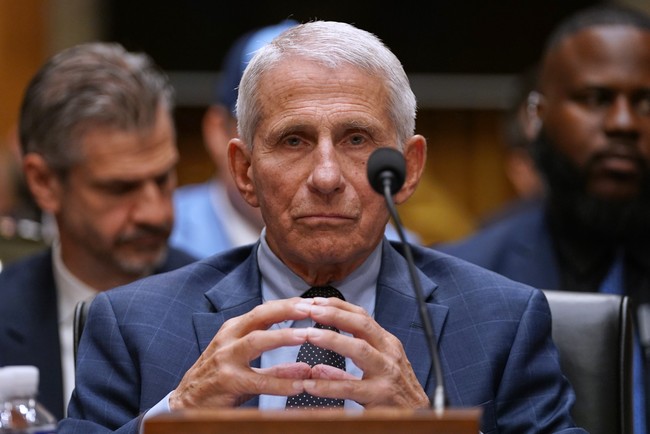
This piece looks at the public confrontation that followed Dr. Anthony Fauci’s recent testimony, the viral diary-style mockery that surfaced afterward, and the political fallout as lawmakers prepare a contempt vote over his refusal to answer questions and perceived evasiveness.
— Fox News (@FoxNews)
You can almost picture the fictional diary entry that people are sharing online, a satirical take that paints Fauci as flustered and evasive after being challenged by reporters. The mock diary gives a glimpse of how his critics view his behavior: awkward retreats, performative gestures, and an inability to face straightforward questions. That tone has spread quickly and fed a larger narrative about accountability. It’s easy to see why the public reaction has been so sharp.
7/31/2026
09:17 AM – Spoke to police officer. Had to use a milk crate to get high enough reach his window. Curse these garden gnome-sized getaway sticks.
10:13 AM – Confronted by reporter. Couldn’t speak on advice of counsel, so ran inside and stared at myself in a mirror for 30 minutes. Repeatedly made heart hand gestures. Feel better now, but why doesn’t everybody love me?
11:14 AM – Depression-ate four Klondike Bars.
People who once lionized Fauci now loudly question why someone who called himself “tHe sCIeNcE” would avoid direct accountability. The phrase “The Science,” at least as many of us understand it, means seeking answers and evidence, not dodging questions to protect reputations. When a public official refuses to engage candidly, it erodes trust. That shift explains the intensity of both the satire and the political response.
There’s resentment beyond the diary jokes: some view Fauci’s actions during the pandemic as overreach, especially since his guidance led to strict policies that affected everyday life. That history makes the sight of him avoiding reporters feel like a raw, unresolved moment for many who watched neighbors lose jobs or kids miss milestones. When leadership appears aloof, people remember the cost. That fuels the chorus demanding clarity and consequences now.
Normally, you wouldn’t cheer on reporters accosting someone at their home, but a lot of people argue Fauci invited scrutiny by how loudly he promoted his own authority. Critics point out the contrast between public pronouncements urging compliance and private hesitance to testify or answer probing questions. That contrast is what makes the confrontation feel particularly satisfying to skeptics. The public wants more than platitudes; it wants answers.
There are practical questions, too, about why federal law enforcement was involved in that encounter and who bore any associated costs. Observers ask if he continued to receive unusual protection and whether that’s appropriate for a private citizen who profited from book deals and speaking engagements. Those concerns are part of a broader debate about accountability and fairness for public figures after their time in government.
https://x.com/foxnewspolitics/status/2082518591271059950
Images and clips from his Senate appearance only added fuel to the fire, with critics pointing to his demeanor and moments where he seemed irritated about being “shouted at.” That reaction was widely reported and used to argue he isn’t suited to face tough questioning. When a central public health figure reacts poorly to scrutiny, it strengthens the case for formal measures. That’s why members of Congress moved quickly to set up further action.
Sen. Rand Paul (R-KY) has been particularly blunt, refusing to extend sympathy and instead calling for accountability in stark terms. During the hearing he told Fauci to “.” Those words echo in the halls now as lawmakers prepare to press the issue. A contempt vote has been scheduled, and its purpose is straightforward: force answers and prevent evasions from becoming the norm.
The contempt vote is not just procedural theater; for many Republicans it’s a test of whether officials who wielded wide authority during a crisis can be held accountable afterward. If lawmakers fail to follow through, it reinforces the notion that powerful figures can avoid consequences. That’s an unacceptable outcome for those who want transparent governance.
The coming days will show whether congressional pressure produces new disclosures or simply deepens the partisan divide. Either way, the episode has already shifted public perception and energized a base demanding candor. For now, the conversation is no longer about earned stature or past titles; it’s about whether an influential figure will face direct, public scrutiny for decisions that affected millions.


Add comment