
This article summarizes the confirmed downing of a U.S. Apache helicopter near the Strait of Hormuz, the rescue of its crew, initial military statements, President Donald Trump’s public confirmation that the aircraft was shot down, and early reporting about possible Iranian involvement and the novel use of an unmanned surface vessel in the rescue.
The Pentagon confirmed that two crew members from a U.S. Army AH-64 Apache were rescued after their helicopter went down near the coast of Oman while on patrol. Military officials said the soldiers were rescued within roughly two hours and are in stable condition as investigators work to determine what happened. This incident has immediately drawn attention across the region and at the highest levels of government. Officials have emphasized that an investigation is ongoing to establish cause and intent.
At 7:33 p.m. ET on June 8, two crew members from a U.S. Army AH-64 Apache were rescued by American forces after their helicopter went down near the coast of Oman while patrolling regional waters.
The Soldiers were safely rescued within approximately two hours and are in stable condition. The cause of the incident is under investigation.
Rescue efforts were led by U.S. Naval Forces Central Command and the 82nd Airborne Division, with support from U.S. Air Force and Navy units including U.S. 5th Fleet’s Task Force 59.
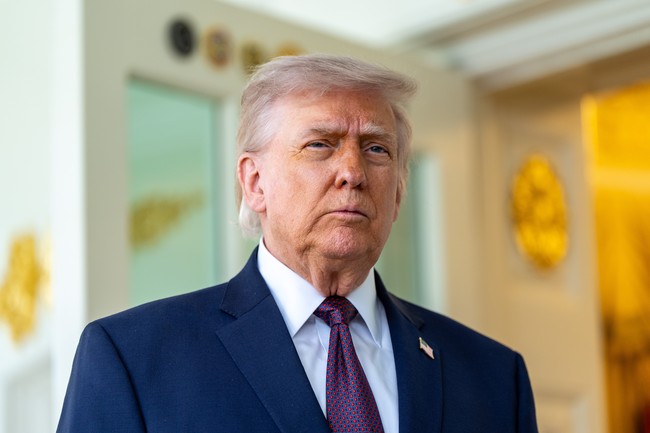
President Donald Trump later stated publicly that the helicopter had been shot down and warned that there would be consequences. His message made clear that the administration views this as an attack that requires a response, while also noting the safety of the pilots. That direct posture reflects a Republican emphasis on decisive action when American forces are targeted abroad. The White House and the military are coordinating to weigh options and ensure deterrence in the region.
“I have just been informed by our Great Military that last night the Iranians shot down one of our highly sophisticated Apache Helicopters while patrolling over the Strait of Hormuz.
There were two pilots involved, both are safe and uninjured. Nevertheless, the United States must, of necessity, respond to this attack. Thank you for your attention to this matter.”
Initial reporting from U.S. officials indicates Iranian drones may have been responsible for the strike, though authorities are still checking whether the strike was intended to hit the aircraft. Senior American sources have told reporters that drone activity consistent with Iranian systems was observed in the area. Military analysts are focused on the method and motive, since confirming intent affects the legal and strategic response options.
Sources also confirmed that rescuers used an Unmanned Surface Vessel sea drone to recover the downed pilots, marking a rare operational use of a USV in a crewed rescue. That capability shows rapid integration of new unmanned tools into mission sets that used to be strictly manned. The successful rescue underscores growing reliance on unmanned systems for high-risk recoveries and expands the toolbox for commanders operating in contested waterways. Officials described the mission as a first-of-its-kind effort in this specific context.
The region around the Strait of Hormuz has long been a flashpoint, and this incident adds fresh urgency to efforts to protect freedom of navigation and American forces. Republican policymakers argue that a firm, immediate response is necessary to deter further attacks and protect U.S. assets and allies. At the same time, military leaders must balance operational prudence with the political directive for accountability, making the coming days critical for strategy and messaging.
Investigators are pursuing footage, sensor logs, and witness accounts from naval and air units that were in the area at the time. Forces involved in the rescue included naval, airborne, and special operations elements operating in a coordinated manner, which means multiple layers of technical and human intelligence will be assessed. Gathering definitive evidence will determine whether diplomatic, economic, or kinetic measures follow, and it will shape the international narrative about who struck the helicopter and why.
For now, the confirmed recovery of the crew is being treated as the immediate priority, with the administration stressing both gratitude for the successful rescue and resolve about consequences. The U.S. military’s public statements stress that the matter remains under investigation, while the president’s statement frames the event as a clear attack that must be addressed. As the inquiry proceeds, U.S. decision makers will face choices about how best to restore deterrence and protect American interests in a dangerous neighborhood.



Add comment