
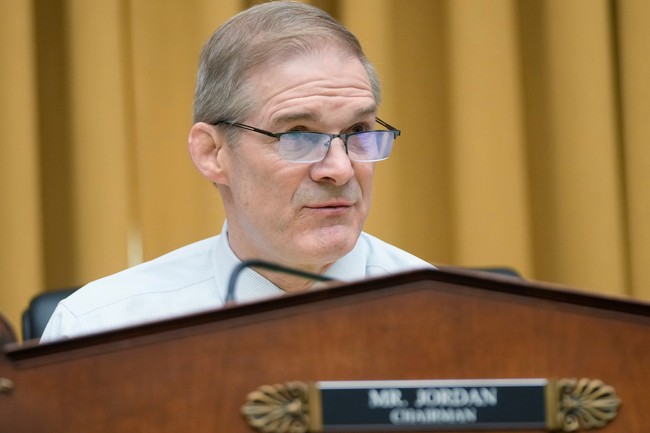
The House Judiciary hearing featuring Interim SPLC President Bryan K. Fair turned into a tense exchange as Chairman Jim Jordan pressed for clear answers about serious allegations against the Southern Poverty Law Center, including accusations that donor money was diverted to extremist groups. Testimony from witnesses ranged from moving to evasive, and this article examines Fair’s responses, the charges outlined by prosecutors, and the broader political implications of the hearing.
Sweatin’ and Squirming: SPLC Boss Wilts Under Jim Jordan’s Rapid‑Fire Judiciary Grilling
The hearing opened with testimony that many found moving, then pivoted to a string of hard questions that didn’t get straightforward answers. Interim SPLC President Bryan K. Fair faced rapid questioning from Chairman Jim Jordan and repeatedly sidestepped direct replies. His manner—long pauses, water sips, and references to pending legal matters—gave the impression of avoidance rather than full transparency.
Representative Jordan demanded specifics on how donor funds were spent, and Fair often replied that those issues would be resolved in pending allegations. That refrain became a running theme, and it did little to calm concerns that serious misconduct might be hiding behind legal process. For critics watching, the repeated deferral felt like a dodge rather than a defense.
At one point, Jordan asked the blunt question, “Did you do it all for the money?” Fair answered, “As we sat in our public statement, Chairman Jordan, we did it to protect our staff and to protect the public.” The response did not land for many observers who expected clearer explanations when allegations involve alleged funneling of funds to extremist actors. The contrast between the charge and the answer intensified skepticism on the committee.
https://x.com/townhallcom/status/2064367218540847506
The hearing also highlighted the stark difference between testimony that sought unity and testimony that raised new doubts. Dr. Alveda King, whose words were noted for their bridge-building tone, offered a striking contrast to the evasive posture displayed by other witnesses. That juxtaposition made the evasions stand out even more sharply for the members of the committee and the public following the session.
Beyond theater and posture, there are criminal allegations that merit sober attention. A federal grand jury in Alabama alleges the SPLC secretly funneled millions of donor dollars to individuals associated with white supremacist and extremist organizations while publicly raising money to fight those same groups. The superseding indictment returned Tuesday expands on charges first filed earlier and details an account of how $4.1 million in donor funds was spent between 2014 and 2023.
The indictment narrative is chilling: prosecutors say the money paid for travel to extremist rallies, recruitment of new members, new chapter creation, materials for cross burnings, and Ku Klux Klan robes and hoods. Those are specific, grave allegations that go well beyond vague accusations, and they demand a full explanation from anyone responsible for money flows and oversight. If true, the claims are deeply damaging to the organization’s public mission and donor trust.
Before the hearing, Fair issued a formal statement invoking the SPLC’s 55-year history and its mission to combat hate and bigotry. In his prepared remarks he said, “Many groups and some in this room have misrepresented our work, including our confidential informant program, regularly repeating false allegations. Some say we’ve lost our way. But we have never lost our north star – a fair and just society for every person. All our programs advance that mission.” He also asserted that the organization finds itself under attack from those it challenges.
Those lines are classic defensive positioning: affirm the mission, deny wrongdoing, and frame critics as bad actors. For those on the committee looking for accountability, the statement was not a substitute for detailed answers about finances and internal controls. The performance at the hearing left even sympathetic observers asking why the SPLC’s leadership could not offer clearer, documented responses.
The political fallout will be immediate and loud. Members of Congress, donors, and the public are now weighing the accusations and Fair’s congressional performance against the organization’s reputation. In Washington, perceptions matter, and arriving at a hearing and sounding evasive is a quick way to lose credibility among lawmakers who want to see verifiable records rather than rhetoric.
As this moves forward, the legal process will play out alongside political scrutiny, and both will shape how the SPLC is viewed going forward. For now, the hearing illustrated a moment when tough questions met answers that many found unsatisfying, leaving the spotlight on the need for transparent accounting and real accountability from nonprofit leadership.
Add comment