
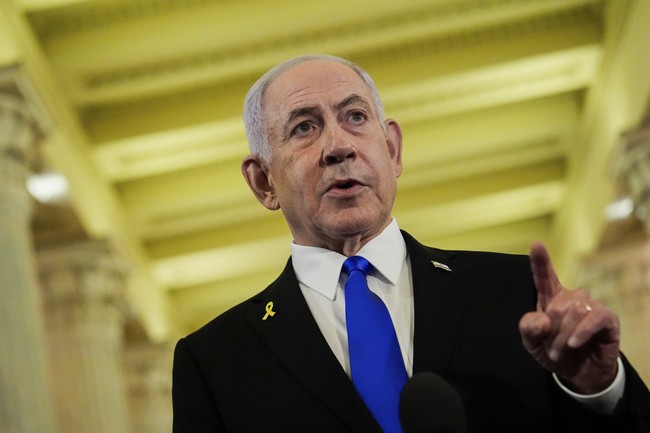
This piece examines Mayor Zohran Mamdani’s public call to detain Israeli Prime Minister Benjamin Netanyahu, the legal and political problems that followed, and what the episode reveals about governing priorities in New York City under a Democratic Socialist administration.
Mayor Zohran Mamdani ignited controversy by suggesting municipal avenues to enforce an International Criminal Court warrant against Benjamin Netanyahu, a statement that drew immediate pushback and swift clarification. Netanyahu responded sharply, accusing the mayor of “fomenting hate” and dismissed the ICC charges as bogus, highlighting how quickly a local stunt can escalate into an international spat. The mayor later acknowledged New York lacks the authority to carry out such an arrest and shifted responsibility to the federal government, but the damage was done politically.
The episode underscores an uncomfortable truth: symbolic gestures aimed at international targets can distract from the hard, unglamorous work of city management. Voters elected a mayor to tackle transit, homelessness, public safety, and the cost of living, not to mount theatrical challenges against allied leaders. When municipal energy is spent on headline-grabbing postures, everyday governance suffers.
New York’s recent policy experiments—rent freezes, expanded municipal services, and higher taxes on business—were sold as bold remedies for an affordability crisis, yet results are mixed at best. Persistent homelessness, strained budgets, and public-safety concerns persist, and the city’s competitive edge looks shakier than before. Policies that deter investment and add complexity for employers risk leaving the city with fewer resources to provide basic services citizens expect.
https://x.com/netanyahu/status/2081426927005401524
From a Republican viewpoint, Mamdani’s approach reflects a pattern: ideological conviction prioritized over pragmatic outcomes. Calling for legal action against a leader of a close ally is performative and constitutionally dubious, but more importantly it signals a willingness to sacrifice stability and alliances for political signaling. That kind of posture doesn’t fix mass transit or reduce the number of daytime encampments on city sidewalks.
Benjamin Netanyahu has been a consistent partner with the United States on security issues and intelligence cooperation that matter to American interests. His career has been shaped by both policy and personal history, and he has led Israel through complex threats from Iran-backed proxies and terrorist groups. Those realities complicate any simplistic effort to frame Israeli leadership as immune to the demands of national defense.
Mamdani’s own background and personal ties shape his views, but personal history does not translate into legal power for municipal leaders. The American Servicemembers’ Protection Act places limits on U.S. cooperation with the International Criminal Court and protects officials of nonmember allies, meaning a city government lacks standing to enforce an ICC warrant against a leader like Netanyahu. The law undercuts the core premise behind Mamdani’s initial claim and exposes the action as legally hollow.
Politically, the move was costly. Turning New York into a platform for scoring international points fractures relationships with allies and undermines bipartisan consensus on national security. It also feeds a narrative that local governance is being sacrificed to ideological theater—citizens who care about safer streets and reliable transit see their priorities deprioritized for headlines. That is a hard sell to fiscally conservative and moderate voters alike.
Good municipal leadership means distinguishing protest from policy. Elected officials can and should voice personal views on foreign affairs, but when those views prompt efforts to use city resources against the legal protections afforded to allies, they cross a line. The consequences are real: distracted administrators, strained intergovernmental relations, and a city less focused on solutions that actually improve residents’ lives.
New Yorkers deserve leaders who prioritize measurable results over symbolic grandstanding. Addressing homelessness, restoring transit reliability, and creating conditions for economic growth require clear-eyed policies and accountability, not international posturing. The mayor’s brief flirtation with an arrest proclamation illustrates how ideological zeal can become a liability for a city that needs practical governance now more than ever.


This Imbecilic Moron Mamdani thinks he is some kind of dictator and is nothing more than a Lying Islamist/Communist PUNK Criminal who needs to be locked away! He is an Enemy Within and the U.S. Constitution fully provides for an appropriate remedy for such EVIL! He and other Islamist’s holding government positions right now all have the ulterior motive to ruin and overthrow the American Government and replace it with the False Religion Political Ideology of Islam to bring on a Totalitarian Regime and Sharia Law that only seeks to bring on their so called “Mahdi Conqueror Leader” who will wage war with the entire human race and destroy all who don’t accept Islam (Satan’s work)! They actually serve Satan and are part and parcel of the Antichrist!