
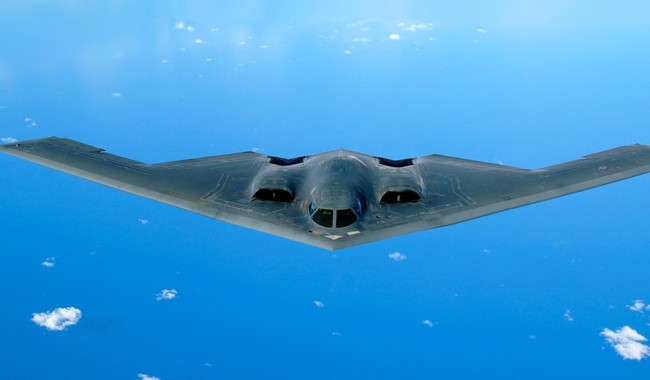
British Prime Minister Keir Starmer has reversed an earlier refusal and authorized limited U.S. use of RAF bases, including facilities in Cyprus, so American B-2 stealth bombers can operate from British soil; this shift comes amid rising tensions with Iran and follows recent security incidents at RAF Akrotiri.
This move marks a clear policy adjustment from the UK and has immediate operational consequences, with reports that B-2s will touch down at RAF bases in Britain and on the island of Cyprus within days. The change reflects pressure on allied partners to support decisive action and underscores the strategic value of forward basing for long-range strike aircraft. For those tracking military posture, the B-2’s presence near theater hubs shifts deterrence calculations overnight.
The geography matters: Cyprus hosts RAF Akrotiri, a vital forward operating base under UK administration, and it sits within reach of key Middle East flashpoints. Allowing U.S. bombers to stage there shortens transit times, increases on-station time, and gives commanders more flexible options for surge operations. That tactical benefit is exactly why basing decisions become political decisions when allies hesitate.
American B-2 stealth bombers are expected to land at British military bases “in a matter of days” to join the campaign against Iran, The Telegraph has reported.
Citing unnamed senior Western officials, the newspaper indicated that Diego Garcia and Fairford are being prepared for their arrival.
This deployment follows a significant shift in policy from Sir Keir Starmer, who has now granted permission for American forces to utilise RAF bases in Cyprus.
In a late statement on Sunday evening, the prime minister insisted this authorisation was for the “limited specific defensive purpose” of protecting UK and US allies across the Middle East, as Iran continues to lash out.
However, hours after this announcement, reports emerged of a major explosion at RAF Akrotiri, one of the UK bases in Cyprus from which US planes will be permitted to operate.
Across Europe, several leaders have distanced themselves from direct military involvement, preferring to let the United States take the lead while they watch from the sidelines. That reluctance leaves the U.S. and willing partners to shoulder the operational burden, which in turn puts a premium on relationships with countries that will host American assets. The rapid permission from London therefore matters more than the public statement alone; it buys operational reach and political cover at the same time.
President Trump weighed in bluntly, criticizing Starmer’s earlier stance with a line that underlines how these debates get personal at the highest levels: “This is not Winston Churchill that we’re dealing with.” Leaders trading barbs is nothing new, but when it mixes with basing and force posture decisions, the consequences are tangible. Allies who move quickly to enable U.S. forces make coalition logistics and command choices far easier to execute.
The B-2 Spirit is not a theater toy; it’s a strategic asset built to penetrate advanced air defenses and deliver heavy precision effects, including the GBU-57. Its operational use in previous campaigns demonstrated the platform’s ability to strike high-value, hardened targets with limited warning. If B-2 sorties ramp up again in this region, Iran’s leadership will have to reckon with a new layer of risk that complicates their calculations.
Reports indicate Diego Garcia and Fairford are also being readied for B-2 operations, expanding the network of potential launch points and complicating adversary targeting. That dispersal reduces predictable patterns and raises the cost of any counteraction against allied basing. From a military standpoint, multiple launch nodes equal greater resilience and faster response.
Security incidents at RAF Akrotiri, including a suspected drone strike that caused minor damage, highlight the vulnerability of forward sites in a contested environment. Those incidents justify extra caution, but they also show why allied basing is essential: operating from friendly territory lets coalition forces protect personnel and infrastructure while projecting power where it’s needed. Seeking temporary, limited access is a reasonable compromise when the goal is deterrence and defense.
British officials framed the permission as narrowly drawn and defensive, aimed at protecting UK and U.S. allies as the conflict escalates. Political spin aside, the choice to enable American bombers signals a willingness to participate in a coalition response even after earlier hesitation. For Republicans who favor strong deterrence and decisive action, this kind of allied support—when it arrives—is exactly the backbone of credible military pressure.
Operational realities will drive the next steps more than headlines. With basing approved and assets potentially inbound, the U.S. will gain more options to shape events on the ground and in the air. How quickly those options are employed will depend on further assessments, rules of engagement, and the evolving picture of threats in the region.


Add comment