
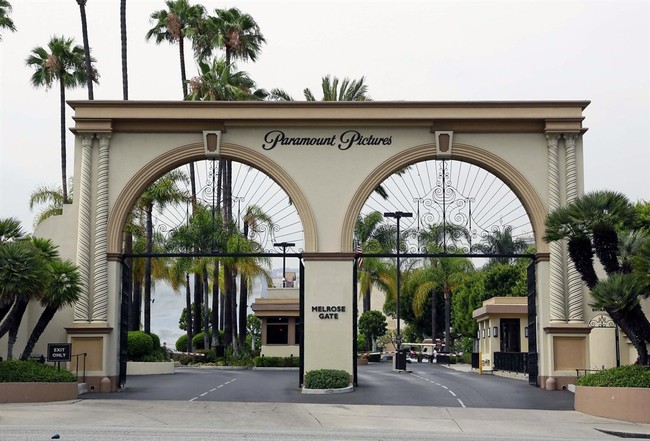
Paramount is weighing a dramatic move: after a contested takeover of Warner Bros., the studio is openly considering relocating out of California amid threats of a state lawsuit, concerns about the business climate, and debates over billions in planned spending and jobs.
For more than a century Hollywood has been the cultural and economic engine of American filmmaking, shaping entertainment worldwide and creating entire industries around production and distribution. That status is under pressure as studios chase friendlier tax incentives, lower costs, and regulatory environments that don’t penalize success. The question of whether a legacy studio like Paramount will pack up corporate functions and production dollars is now being asked out loud.
The immediate spark is the proposed $110 billion takeover of Warner Bros., a deal that has drawn the attention of California’s attorney general, who is reportedly gearing up to sue to block the merger. Company leaders, including Paramount Skydance CEO David Ellison, have been advised to consider moving corporate headquarters and shifting planned spending if the state pursues litigation. That potential legal fight has made the calculus about staying in California more complicated and more costly for business leaders.
Paramount has publicly promised roughly $30 billion in planned content spending, a figure executives point to as proof they will keep production and jobs flowing into the state. Those commitments are central to the studio’s argument that the merger would bolster California’s entertainment ecosystem, not diminish it. Yet privately, executives say repeated rebuffs from state officials have created what one adviser labeled an “inhospitable” environment for business to operate in.
As California tries to derail Paramount’s $110 billion takeover of Warner Bros. Discovery, Paramount CEO David Ellison’s friends and advisers have been pushing the media executive to consider shifting his business out of the state.
Ellison’s confidantes have pushed him to consider moving its corporate headquarters and reallocating much of its $30 billion in planned spending outside the state if California Attorney General Rob Bonta were to sue to stop the merger, according to people familiar with the discussions.
Those conversations are not theoretical for Californians watching industry trends. Major companies from Tesla to Chevron have moved major operations out of California in recent years, citing hostile regulation, high taxes, and an unpredictable legal environment. Hollywood’s decline in production has been visible in the data: shoots are increasingly booked in Georgia, Texas, North Carolina, Canada, and other states that aggressively court film dollars with tax credits and more business-friendly rules.
https://x.com/DiscussingFilm/status/2076418574697033969
Critics of California’s approach argue the state is using lawfare to hold companies hostage for revenue and political theater. The attorney general says the merger could reduce competition, cost jobs, and limit consumer choice, which are legitimate antitrust questions. Skeptics counter that the state’s refusal to negotiate and its tendency to favor litigation over compromise is driving companies to seek safer harbors where their investments aren’t under constant threat.
Paramount’s CEO has tried to keep politics out of corporate decisions, yet the company’s leadership has made moves that rankle the Hollywood left, from high-profile purchases to public appearances. Those choices have only heightened tensions in an industry that blends entertainment, money, and political signaling. The combination of political friction and legal risk can make relocation look like a pragmatic decision rather than a dramatic retreat.
From a business standpoint, the numbers matter. The $30 billion annual content spend and promises of local hiring are the kinds of commitments that can buoy local economies and support thousands of jobs. When production leaves a region, the losses ripple through catering, construction, post-production, and countless ancillary services. State officials who threaten to block deals risk accelerating the very bleeding they claim to prevent unless they balance enforcement with incentives.
Paramount executives insist no final decision has been made and some of the relocation talk could be posturing to secure a better outcome. Still, the fact that movement is even being considered signals a broader trend. Companies weighing where to place headquarters and production are looking at total costs, legal risk, and the predictability of the regulatory environment when making long-term plans.
For Californians proud of their state’s role in culture and commerce, the idea of losing another legacy institution should sting. But for CEOs and boards focused on protecting shareholder value and preserving jobs, the calculus is clear: if a state looks unwelcoming and unpredictable, companies will look elsewhere. The competition for corporate investment is fierce, and other states are ready to pick up the pieces if California continues to push businesses away.
As this dispute plays out, the industry will be watching to see whether California doubles down on litigation or offers a more constructive path forward. Either way, the decisions made in the coming weeks will help define whether Hollywood remains anchored in Los Angeles or continues a long, gradual migration toward friendlier ground.



Add comment