
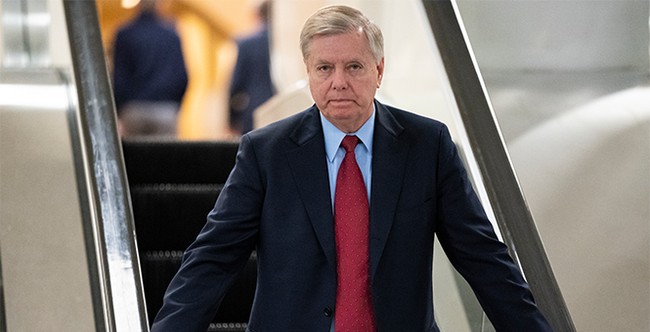
The piece argues that celebrating the death of Senator Lindsey Graham reveals moral rot on the left, calls out specific social media figures for cruel remarks, and insists decency should survive political division.
Watching people cheer the death of a U.S. senator crosses a line most of us used to respect. This is not about supporting every policy Graham stood for, but about basic human decency and restraint when someone dies. Political disagreements are fierce, but gloating over a fellow American’s passing says far more about the gloat-er than the deceased.
I’ve been sharply critical of presidents and politicians across the spectrum, and I know the urge to gloat can be powerful for some. Still, I would not celebrate the end of any life or mock grieving family members in public. That restraint matters because it preserves norms that keep our civic life from sliding into tribal savagery.
Recent behavior online shows those norms are fraying fast among parts of the left, where vitriol and performative outrages have become a hobby. Instead of mourning or even offering measured commentary, too many commenters turned a sudden death into a punchline. That impulse—to treat mortality like a political win—should be challenged regardless of party.
One prominent example came from social media personality Brian Krassenstein, whose remarks prompted a strong reaction. The exchange included the exact words: “Lindsey Graham just died. Good, I’m glad he’s dead. He can no longer hurt innocent people!” That quote encapsulates the tone problem: triumphal cruelty framed as moral righteousness. Claiming someone else is to blame for your hateful reaction does not excuse it.
Another public figure added fuel when commentary veered into celebrated spite rather than sober reflection. When people use a sudden death to settle political scores or to display a warped sense of moral superiority, they deepen the divide instead of helping heal it. These moments show why standards of public discourse matter more than they have in years.
The commentary from media personalities and online provocateurs piled up quickly, often framed as hard-edged takes rather than calls for compassion. That approach turns grief into theater and signals that some corners of the media ecosystem prize shock over conscience. Casual cruelty becomes a badge of honor, and normal people watching get a distorted sense of acceptable behavior.
https://x.com/krassenstein/status/2076283546663104798?ref_src=twsrc%5Etfw
It’s telling when voices from outside the immediate political scene step in to remind us how basic decency looks. A blunt, no-nonsense reaction can cut through partisan fog and point back toward common human standards. When commentators stop behaving like politicians on a stage and start sounding like neighbors, the nation is better for it.
Call it simple: avoid celebrating death, especially when you once applauded virtue signaling about empathy and respect. If you opposed someone’s policies, debate their record, criticize their votes, and hold them accountable while they live. If they die, we owe at least a pause and a modicum of respect to those left behind.
Rhetoric matters because it shapes culture. When leaders and influencers model vindictiveness, followers mirror that tone and the result is corrosive. The alternative is to insist that political struggle stays within the bounds of decency, even when the stakes feel existential and the temptations to gloat are strong.
Our politics will remain contentious, but we are worse off when one side adopts cruelty as a default stance. Insisting on basic humanity does not mean abandoning conviction; it means refusing to surrender the moral framework that lets a free society function. That is the plea at the center of this argument.

Add comment